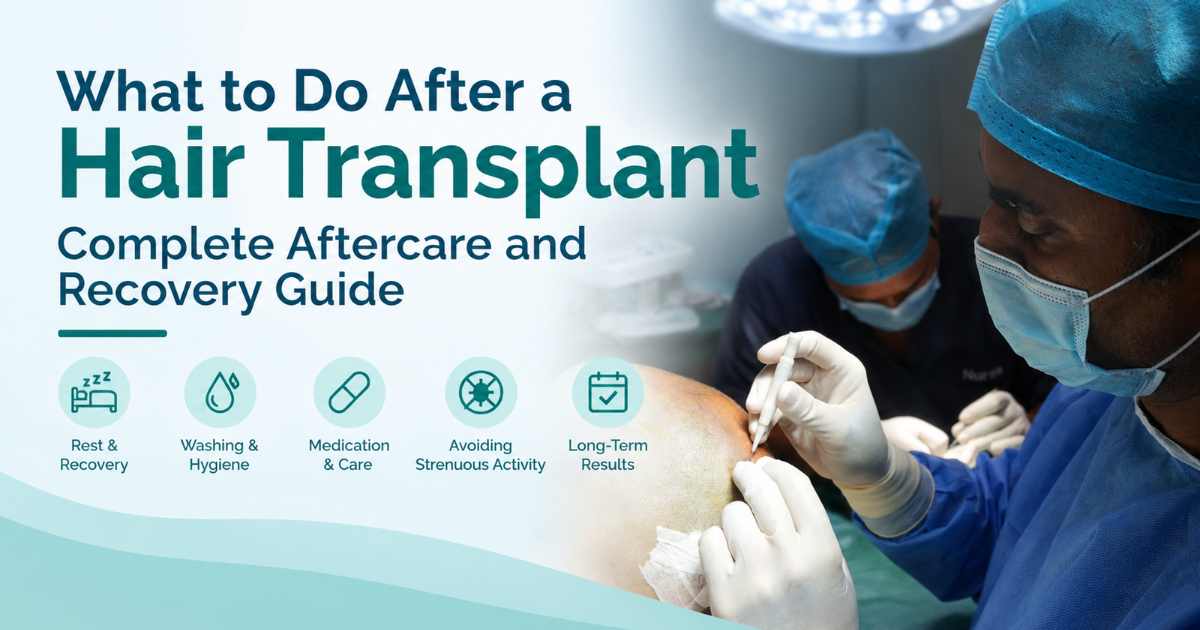
Undergoing hair transplant surgery is one of the most effective procedures for addressing hair loss with highly noticeable results. However, one of the biggest concerns people have is how to take care of themselves safely during the first 7 days the period when many worry about grafts falling out. This is especially true for those who are uncertain about the limitations after a hair transplant, what behaviors to avoid, and how many days to recover after a hair transplant before returning to daily activities confidently. Many individuals still have concerns and misunderstandings about the hair transplant recovery period, which requires time and proper care to ensure the grafts anchor securely.
This article clarifies every key point the hair transplant recovery period, how to check whether grafts have attached, what foods to eat after the procedure, what not to eat after a hair transplant, and a complete list of hair transplant aftercare restrictions that you must know to ensure the safest and best possible results.

Why are the first 7 days after a hair transplant important?
The first 7 days after a hair transplant are considered the golden period of hair transplant surgery, as this is when the grafts begin adapting and attaching to the skin. During this stage, the grafts are not yet stable. Anyone in the hair transplant recovery period must avoid impact, friction, or any strong contact. Even gentle pressure may cause graft shifting or loss without noticing, which is why doctors emphasize strict care during the early phase of the hair transplant recovery period.
Common risks during the first 7 days of hair transplant recovery include forehead or eyelid swelling due to anesthesia or procedural tension, minor oozing around the transplanted area, and concerns about grafts falling out especially once hair washing begins or when accidentally touching the scalp too firmly. These symptoms are normal during recovery but require careful handling to avoid disturbing the grafts.
Proper care during the early hair transplant recovery period directly affects graft attachment. It significantly improves the outcome and helps you clearly understand how many days to recover after a hair transplant or how many days until grafts attach.

How many days of recovery after a hair transplant are considered safe?
Many people who undergo hair transplant surgery often ask: how many days to recover after a hair transplant to ensure safety and return to normal activities. The answer depends on each individual’s healing speed, but the following timeline is generally accurate:
Day 1–3: Grafts begin attaching
This is the most critical phase. Anyone in the period after a hair transplant must be extremely careful because the relocated grafts can shift even with slight impact. Avoid strong pressure, sleeping positions that press on the implanted area, or frequent touching of the scalp.
Day 4–7: The highest-risk period as grafts begin stabilizing
Although grafts are not fully strong yet, they begin bonding more firmly. During this period, doctors emphasize strict compliance with aftercare instructions because many problems occur from accidental behaviors scratching the area, picking scabs, or excessive rubbing all of which may affect graft survival.
Day 7–14: Wounds begin drying
Some scabs start forming and hardening. Cleaning and washing hair becomes easier, but avoid rubbing vigorously or picking scabs to prevent damaging grafts that are still healing.
Week 2–4: Scabs fall off naturally
Patients usually feel more comfortable and can return to most everyday activities. However, it’s still necessary to follow hair transplant aftercare restrictions, such as avoiding intense workouts, strong sunlight, or products that may irritate the scalp.
In summary, safe hair transplant recovery typically requires around 14 days, while returning to nearly normal life usually happens between 3–4 weeks, depending on proper care and strict adherence to medical instructions.

When do hair grafts fully attach? A common concern
Many patients after a hair transplant often ask: how many days until grafts attach and when the grafts become secure. It is important to understand that even when grafts attach, new hair will not grow immediately. This is normal in hair transplant surgery, as the hair must first re-enter its natural growth cycle.
Generally, grafts begin attaching within 7–10 days, assuming proper hair transplant recovery care and avoidance of risk factors such as impact, friction, or washing hair too aggressively all of which may cause graft shifting or loss in the early hair transplant recovery period.
Factors that affect graft attachment speed include the doctor’s technique, experience, scalp cleanliness, and patient compliance. Following the recommended hair transplant aftercare restrictions, including dietary precautions such as what not to eat after a hair transplant, plays an important role. Proper aftercare helps ensure that grafts anchor firmly and grow strong in the next phase.

What you should do during the first 7 days after a hair transplant
The most crucial phase of self-care after a hair transplant is during the hair transplant recovery period, because the grafts are still fragile and highly vulnerable to movement one of the main causes of graft loss. Strictly following the doctor’s instructions helps improve recovery outcomes and reduces risks throughout the hair transplant recovery period. The key recommended actions include:
Proper sleeping position
Sleep with your head elevated at 30–45 degrees for the first 2–3 nights to reduce swelling and avoid sleeping positions that put pressure on the transplanted area.
Wound cleaning / Hair washing
You may begin washing your hair after Day 3 or as advised by your doctor, using gentle water pressure and avoiding rubbing or scrubbing the scalp too hard.
Medications required
Take anti-inflammatory medication, antibiotics, or medicated sprays exactly as prescribed to support faster wound healing.
How to reduce swelling
Apply a cold compress on the forehead for the first 24–48 hours. Avoid placing cold gel packs directly on the transplanted area to prevent complications after a hair transplant.
Travel / Work
Most people can return to work within 2–3 days after a hair transplant, but should avoid strenuous activities and limit outdoor exposure.
Avoiding sunlight
Avoid strong sunlight and stay in shaded environments to reduce irritation and the risk of complications.

Hair transplant aftercare restrictions you must avoid
While many people ask how many days to recover after a hair transplant, what matters equally is knowing what to avoid during the hair transplant recovery period, especially within Days 7–14. Avoiding these hair transplant aftercare restrictions is essential for smooth healing and proper graft attachment:
No scratching or picking scabs
Scabs after a hair transplant must fall off naturally. Scratching or picking may lead to graft loss or scarring.
No heavy exercise
Intense physical activity increases sweat and impact, both of which may harm grafts. Sweat also increases moisture, raising the risk of inflammation.
No swimming / sauna
Chlorine in pools, along with heat and humidity from saunas, can irritate wounds, delay healing, and increase infection risks at the graft site.
No direct sunlight
Strong sunlight and UV rays can darken healing wounds and negatively affect graft attachment. Stay indoors or in shade as much as possible during recovery.
No alcohol
Alcohol affects blood circulation, increases the risk of bleeding, and delays healing. Avoid alcohol for at least 7–14 days after a hair transplant.
No facial massage / laser treatments
Pressure from massages or heat from lasers can disturb the grafts. Even treatments performed only on the face can still impact the scalp area.

What not to eat after a hair transplant foods you should avoid
Taking care of yourself after a hair transplant is not only about cleaning the wounds or avoiding impact. Food choices also play an important role in the healing of grafts. Certain foods can cause inflammation, swelling, or interfere with scalp wound recovery. To ensure the best possible outcome, avoid the following foods during the first 7–14 days of the hair transplant recovery period, or as instructed by your doctor.
Alcohol
Alcohol must be completely avoided because it disrupts blood circulation, increases the risk of bleeding at the transplanted area, and delays wound healing. This slows down the body’s recovery.
Fermented foods
Fermented foods such as kimchi, pickled fish, pickled vegetables, or marinated meats contain high sodium and inflammatory compounds. These may increase swelling, so they should be avoided during the hair transplant recovery period.
Spicy or strongly seasoned foods
Foods that are extremely spicy, sour, salty, or overly sweet may irritate the skin and increase facial flushing or warmth, making swelling after a hair transplant worse and causing discomfort around the wounds.
To support graft attachment and faster healing, choose easily digestible, mildly seasoned foods, avoid overly salty dishes, and drink enough water daily. This helps wounds heal faster while reducing the risk of complications during the hair transplant recovery period.

Common symptoms after a hair transplant vs. abnormal symptoms
Normal symptoms
After hair transplant surgery, many patients experience various normal reactions during early recovery. These symptoms are often mistaken as complications, but most are part of the natural healing process during the hair transplant recovery period.
Common normal symptoms include:
- Swelling
Swelling may appear on the forehead or around the eyes within the first 2–4 days and usually resolves on its own. - Scabs
Scabs start forming around days 3–7. This is a natural healing process. They should fall off on their own. - Itching
Caused by skin healing. Avoid scratching to prevent disturbing grafts. - Shock Loss (early hair shedding)
Occurs within 1–2 months after a hair transplant. This is temporary before new hair begins to grow.
Abnormal symptoms
Although recovery after a hair transplant usually goes smoothly, some symptoms require immediate medical attention especially during the early hair transplant recovery period, when grafts are not yet fully attached.
Seek medical help if you notice:
- Severe or unusual swelling spreading across the face or lasting longer than 5 days
- Pus or abnormal odor, which may indicate infection
- Severe pain unrelieved by medication
- Continuous bleeding, often caused by impact or wound reopening
- Fever, which may signal inflammation or infection
If any of these occur, contact your doctor or which hair transplant clinic is good for your treatment to protect the long-term results.

How to choose a safe hair transplant clinic from the start
Choosing which hair transplant clinic is good is just as important as the care given after a hair transplant, because long-term results depend heavily on the doctor’s expertise and the technique used. A trustworthy clinic should have medical specialists trained specifically in hair transplant surgery, not assistants performing the procedure.
The clinic should also have an international-standard operating room, proper sterilization systems, and modern instruments all of which improve graft survival rates and support smoother transition into the hair transplant recovery period. Always review before–after results, treatment transparency, and patient reviews of the clinic or hospital.
DHI Thailand stands out because every procedure is performed by doctors certified by DHI Academy. Services include Hair Transplant, Beard Transplant, Eyebrow Restoration, and PRP Treatment, covering a wide range of hair concerns.
Choosing a high-standard clinic from the beginning ensures safety, reduces risks after a hair transplant, and helps grafts anchor securely.
Summary
Caring for yourself after a hair transplant is the key to successful results especially during the crucial first 7 days, known as the Golden Period, when grafts are slowly anchoring into their new skin environment. Correct aftercare reduces complications during the hair transplant recovery period and improves long-term graft survival.
Strictly following hair transplant aftercare restrictions, such as understanding what not to eat after a hair transplant, avoiding strong impacts, heavy physical activities, and outdoor exposure, greatly increases graft stability.
If you’re unsure how to begin hair transplant surgery or wondering which hair transplant clinic is good, the medical team at DHI Thailand is a trusted choice with specialized techniques designed to maximize graft survival. Early consultation helps plan your treatment effectively and supports a smooth, confident hair transplant recovery.
With proper care and the right medical team, you can achieve natural, long-lasting, healthy hair.