Symptoms of hair loss, thinning hair are among the most common concerns many people face, especially those who are prone to genetic hair thinning caused directly by the effects of DHT hormone. This leads to weakened hair follicles, shrinking hair strands, and increasingly visible scalp. If left untreated, the condition may progress into very heavy hair loss, which can greatly impact confidence. Many people start to wonder how to fix genetic hair thinning or whether there are ways to make the hair grows back black naturally.
This article explains the root causes of genetic hair thinning, early symptoms to look for, and doctor-approved treatment options, including medications, clinical procedures, and permanent hair transplant methods helping readers choose the best approach for their individual condition.

What is genetic hair thinning?
Hair loss, thinning hair caused by genetics, known as Androgenetic Alopecia, is one of the most common forms of chronic hair loss in both men and women. The main cause is DHT hormone (Dihydrotestosterone), which gradually shrinks hair follicles, shortens the growth cycle, and causes new hair to grow thinner over time. As this continues, hair density decreases until the scalp becomes more visible, especially in those with a family history of thinning hair leading to genetic hair thinning.
Genetic hair thinning may show signs at a young age, and some people feel as though they were born with thin hair, when in fact their follicles are simply more sensitive to DHT hormone. Early symptoms include finer regrowth, increased shedding, or episodes of very heavy hair loss, causing many to question how to fix genetic hair thinning and what to do about hair loss.
Those with genetic hair thinning need a detailed follicle assessment by an experienced doctor, as follicle weakness determines the proper treatment such as medication, follicle-stimulating procedures, or permanent hair transplant. Doctors will recommend the most suitable approach to help the hair recover naturally and increase the chance for the hair grows back black in the long term.

Characteristics of genetic hair thinning
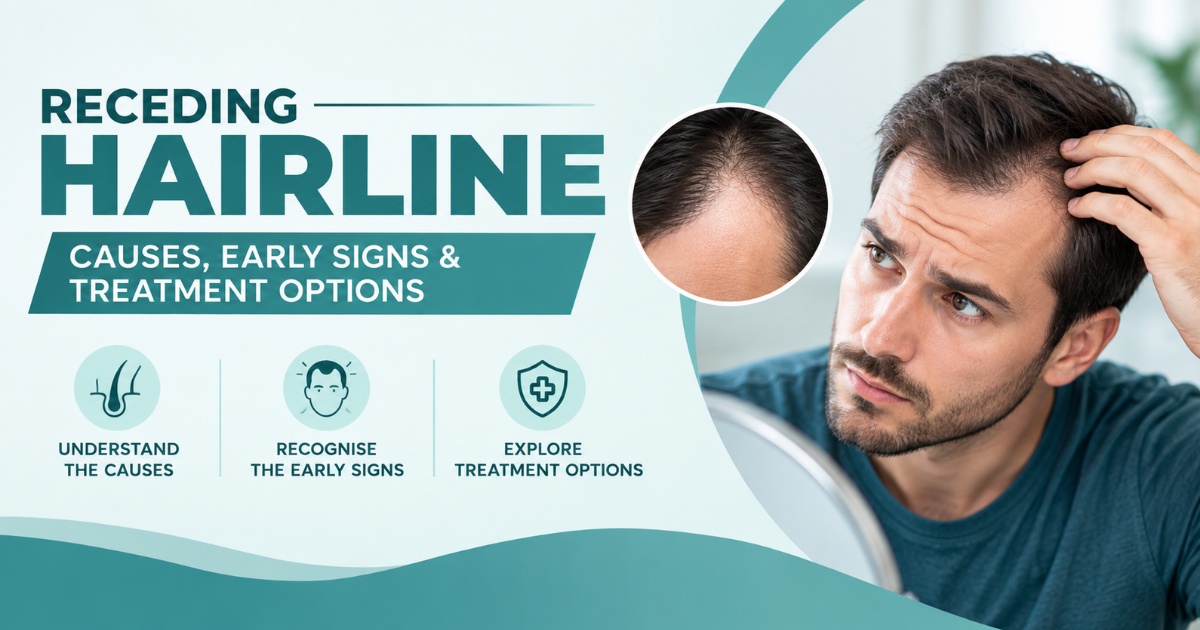
The characteristics of genetic hair thinning usually develop gradually, beginning with increased hair loss, thinning hairwithout a clear reason. Some people may feel they are experiencing very heavy hair loss, especially when washing or brushing their hair, as they notice an unusually large amount of shedding. Common signs include thinning at the crown, a receding hairline, or newly grown strands becoming finer and thinner all directly related to DHT hormone, which causes follicle miniaturization and shortens the hair growth cycle.
Symptoms differ between men and women. Men often show an M-shaped thinning pattern or larger balding areas on the top of the scalp, while women usually experience diffuse thinning but maintain the frontal hairline. Analyzing each pattern of thinning is crucial, as it helps doctors determine whether to restore follicles using specific treatments or consider a permanent hair transplant when follicles are too weak to respond to standard methods. A thorough evaluation increases the chances of faster recovery and helps the hair grow back black naturally.
For anyone wondering what to do about hair loss, consulting an experienced hair specialist is essential to identify the most suitable treatment for your individual hair condition.

Symptoms of genetic hair thinning
The symptoms of genetic hair thinning often begin with small gradual changes that accumulate over time, until a person starts noticing increasing hair loss, thinning hair. These symptoms are generally divided into two stages the early stage and the progressive stage each with clear signs as follows:
Common early symptoms include:
- Hair falling more easily; during washing or brushing, you may notice more shedding than usual.
- Hair strands becoming finer and thinner; new hair grows in weak and small.
- A slow decrease in overall volume, making the hairstyle look less full.
- Slower hair growth, causing thinning areas to appear more noticeable.
- Beginning to question what is happening, such as what to do about hair loss or wondering whether it is related to being born with thin hair.
Progressive symptoms that require attention include:
- Thinning areas expanding, especially on the crown and frontal hairline.
- Scalp becoming clearly visible under light or when the hair is wet.
- Distinct thinning patterns, such as an M-shaped recession or diffuse thinning on the top.
- Feeling like there is very heavy hair loss, with noticeable reduction in overall volume.
- These symptoms often lead people to search for solutions, asking how to fix genetic hair thinning.
As symptoms become more prominent, doctors usually recommend a detailed follicle health examination to determine whether the follicles still respond to medication. If the follicles are significantly weakened, additional restoration methods may be needed, such as PRP or Growth Factor, to stimulate regrowth, strengthen the hair, and increase the chance for the hair to grow back black naturally.

Treatment options for genetic hair thinning
There are multiple treatment approaches for genetic hair thinning, depending on the severity of symptoms and the health of each person’s hair follicles. Treatment typically involves a combination of medication and clinical procedures. In some cases, permanent hair transplant may be necessary to correct areas with severe hair loss, thinning hair. Choosing the right method increases the chances of strengthening the hair and restoring it naturally, especially for those experiencing very heavy hair loss with visible scalp exposure.
1. Using hair growth medication
Medication is one of the most common foundational treatments for hair loss, thinning hair from genetic hair thinning. The most widely used medication is Minoxidil, which enhances blood circulation to the scalp, stimulates hair growth, and strengthens new hair strands. Most patients begin to see improvements within 3–6 months of consistent use.
However, medication alone may not be sufficient for those with very weak follicles or people who feel they were born with thin hair. In such cases, doctors may recommend pairing medication with targeted procedures such as PRP or Growth Factor therapy to improve treatment effectiveness and support better hair recovery.
2. Clinical procedures
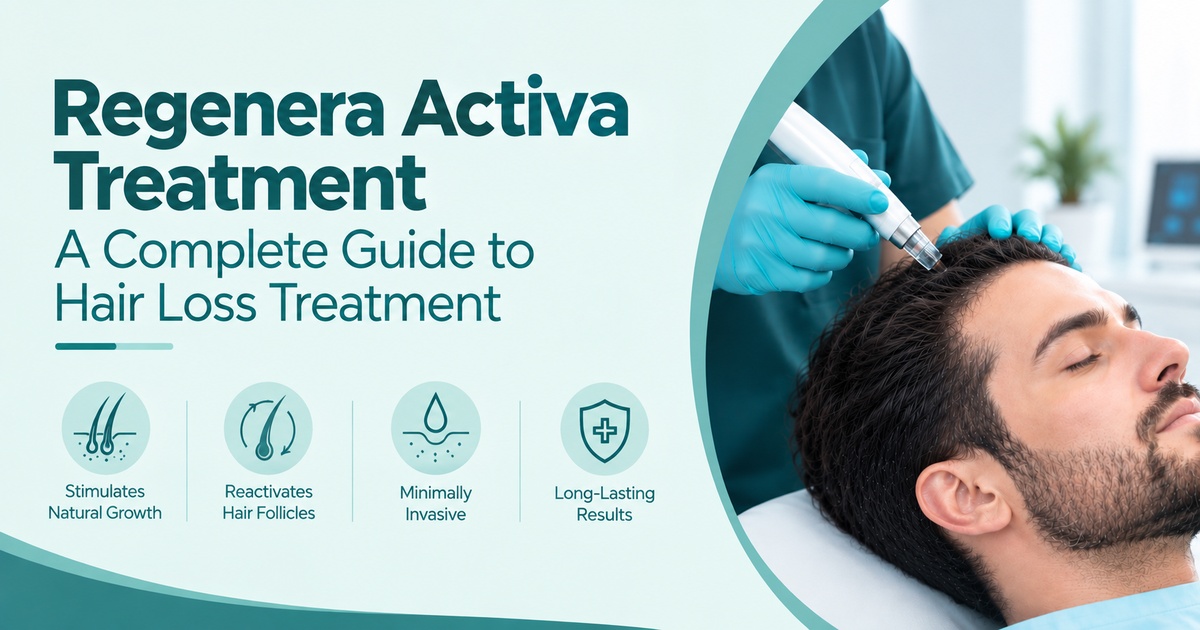
Clinical procedures help restore weakened follicles in individuals with hair loss, thinning hair caused by genetics. PRP Therapy uses concentrated platelets to repair weak follicles, while Growth Factor Therapy stimulates new hair production and reduces shedding naturally. Low-Level Laser Therapy (LLLT) also enhances blood circulation in the scalp, improving follicle performance and supporting healthier hair regrowth.
These procedures require precise injection techniques and thorough follicle assessment. They should be performed by hair specialists, such as the medical team at DHI Thailand, who use deep-target injection methods to deliver nutrients directly to areas needing the most restoration. Techniques like PRP or GFC (Growth Factor Concentrate) are ideal for those wondering what to do about hair loss or those wanting to strengthen hair so it gradually hair grows back black naturally.
3. Permanent hair transplant surgery
If follicles no longer respond to medication or stimulation procedures, a permanent hair transplant becomes the most direct solution. This involves transferring strong follicles from the back of the scalp to areas affected by hair loss, thinning hair. Common techniques include FUE, FUT, and high-precision methods like DHI, which allow precise control of graft direction and density.
Many patients worry about whether a permanent hair transplant is painful. Doctors typically explain that the procedure is performed under local anesthesia, causing only minimal discomfort, and patients can go home the same day making it suitable for those concerned about pain or downtime.
The latest DHI technique allows precise control over graft depth, placement, and angle, resulting in natural-looking outcomes, faster recovery, and improved long-term growth success. It is ideal for anyone searching for how to fix genetic hair thinning and wanting stable, natural results in the future.

Where to treat genetic hair thinning
Choosing the right clinic to treat genetic hair thinning requires considering several factors, including the experience of hair-specialized doctors, the equipment used to analyze follicle health, and treatment approaches suited for those experiencing hair loss, thinning hair whether caused by DHT hormone or cases that have progressed to the point of very heavy hair loss. Accurate assessment from the beginning helps create an effective treatment plan.
One of the most important steps is a detailed follicle examination using specialized tools to determine whether the follicles are strong enough for medication, follicle-stimulating injections, or whether a permanent hair transplant is the most appropriate option. This is especially important for individuals showing clear symptoms such as visible thinning or conditions resembling being born with thin hair. A deeper analysis helps determine the most precise treatment approach.
A comprehensive hair-treatment center with world-class hair-specialized doctors such as DHT Thailand offers medication, PRP and Growth Factor follicle-stimulating procedures, as well as permanent hair transplant techniques. These treatments are customized to match each individual’s hair condition, providing natural-looking results. This is ideal for those searching what to do about hair loss or seeking proven long-term solutions for how to fix genetic hair thinning, supported by a medical team trained specifically in hair restoration.
Summary
Symptoms of hair loss, thinning hair from genetic hair thinning are caused by multiple factors, including DHT hormone and genetic sensitivity that weakens hair follicles. Effective treatment requires evaluating the severity, follicle deterioration, and selecting suitable methods whether medication, clinical procedures, or permanent hair transplant for cases with very heavy hair loss or follicles too weak to respond to standard treatment.
For individuals with chronic shedding, those wondering what to do about hair loss, or those questioning whether they were born with thin hair, a detailed evaluation by hair specialists at DHT Thailand provides accurate diagnosis and a tailored treatment plan including follicle restoration, procedures, and permanent hair transplant when needed. With proper care, the hair can gradually hair grows back black, restoring confidence in the long term.