
Services
Hair Transplant Female
Hair Transplant Female
Hair transplant service, with DHI Hair Transplant technique for Women :
Who is it Suitable For?
Although the term “hair transplant service” seems more familiar in the context of men, in reality, a significant number of women face hair problems that are no different. These include hair loss, thinning hair in the middle of the head, or an uneven hairline, all of which inevitably affect their personality and confidence in daily life. Especially in a society where external image has become another important component of confidence, “DHI hair transplant” has become a solution that truly meets the needs “for women“. It is a safe technique with high precision, providing natural-looking results and does not require a long recovery time. Importantly, it does not require shaving the head, which is a concern for many women. This makes the technique increasingly popular among women who want to enhance their confidence with healthy and perfect-looking hair.

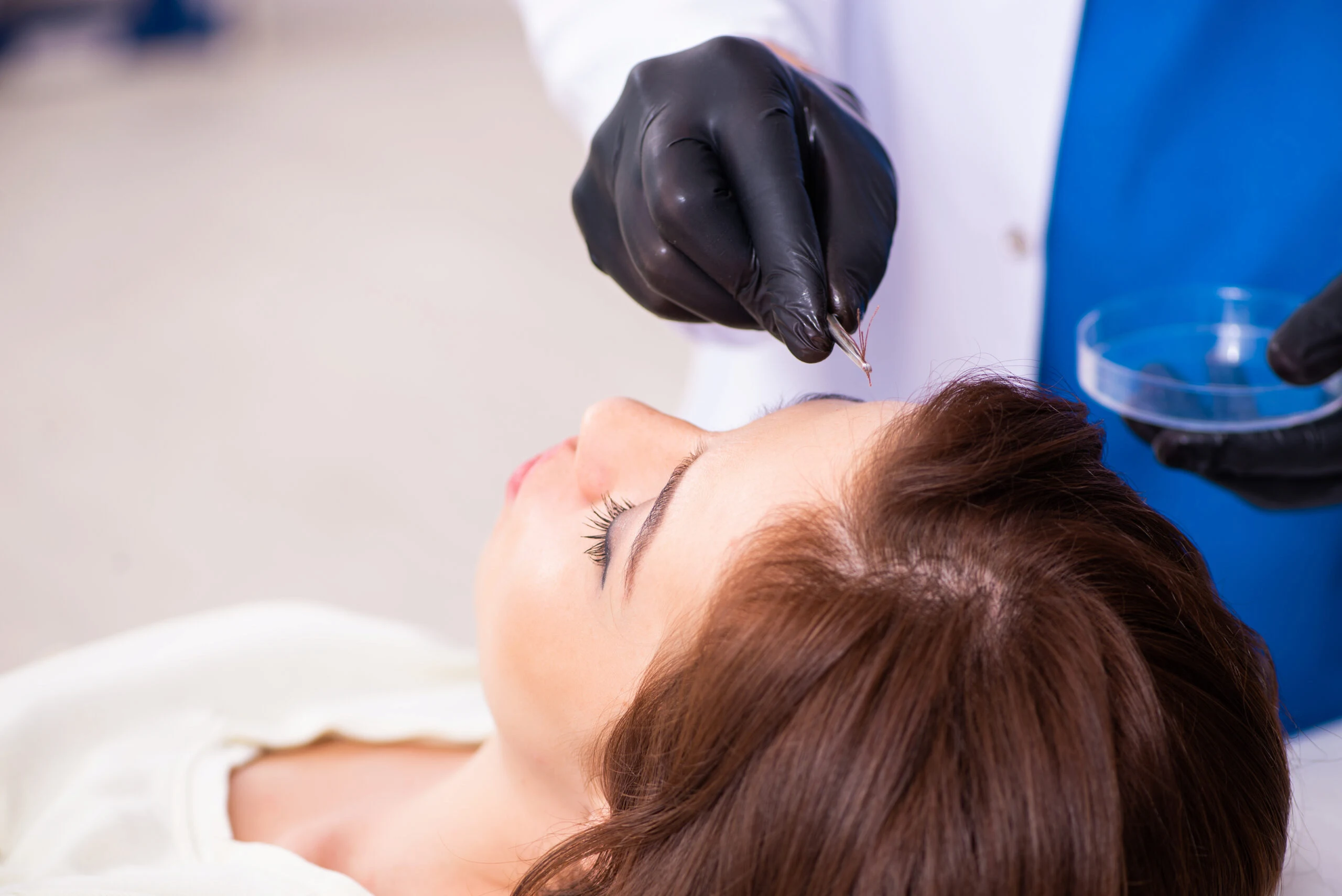
DHI hair transplant service for women is not just about moving hair roots from one point to another. It is a technique specifically designed to support the specific needs of women, both in terms of the characteristics of the hair, which is thin and fine, and the hairline, which is more delicate than men’s. Doctors can design the hairline to blend with the face shape and enhance face softness naturally. Importantly, the DHI technique does not leave scars after the procedure and does not require shaving the hair, allowing them to maintain their original look without having to make significant changes to their hairstyle. Women who receive the service can return to their daily lives quickly, without a long recovery period. This is why many modern women are turning their attention to DHI hair transplants, as it not only helps to make the hair look thicker but also enhances their personality and confidence in their true selves.
What is DHI Hair Transplant for Women? How is it Different from General Treatments?
DHI hair transplant for women is a highly precise and popular treatment technique for permanent hair thinning or hair loss. It involves transplanting hair roots from areas that are still strong, such as the back of the head or the sides of the head, which are areas where the hair roots are often not sensitive to the hormones that cause hair loss. The doctor then implants these hair roots directly into the problem areas, such as the front hairline or the middle of the head that is starting to thin, using a specialized instrument called the DHI Implanter, which helps control the direction, depth, and angle of the hair root implantation with precision.
The highlight of this technique is its gentleness and the fact that it does not require surgical incisions like older techniques such as FUT or even some forms of FUE. Therefore, there is no need for stitches, and it does not leave scars on the scalp, making it ideal for women who want beautiful, seamless results and can maintain their normal hairstyle without worrying about covering up scars. It also reduces the recovery time, allowing them to return to their daily lives quickly. It is considered one of the solutions that meets the needs of modern women who care about both their appearance and the quality of the treatment results.
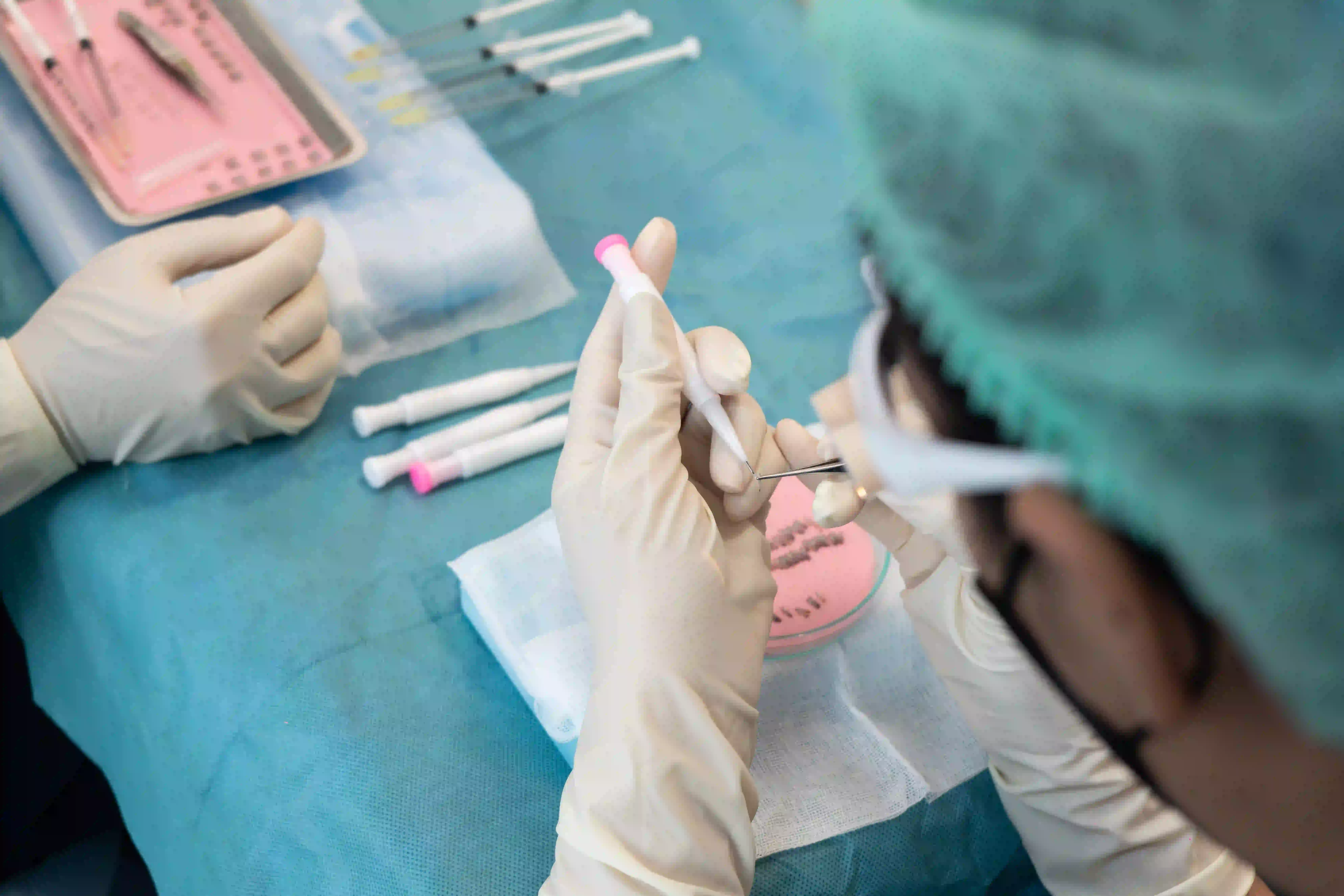
Who is Suitable for Hair Transplant?
Women who are facing hair problems such as localized thinning hair, a hairline that is higher than normal, a receding hairline, or scars from accidents or certain treatments on the scalp can all consider undergoing hair transplantation with the DHI technique if they still have enough strong hair roots at the back of the head. This area is often where the hair roots are still of good quality and do not fall out due to the mechanism of DHT hormones, and they can be used for effective replanting.
The Following Groups Are Especially Well-Suited for DHI Hair Transplantation

Women who want to adjust their face shape to look softer by enhancing the frame of their hairline to be more balanced, which can help reduce the width of the forehead and make the face look softer and more dimensional.

Those who have hair thinning from genetics or hormonal changes, such as after childbirth or during menopause, which often causes hair to thin diffusely or specifically around the front hairline.

Women who have hair loss from chemotherapy, perming, dyeing, or repeated hair coloring, as well as cases of severe hair-pulling behavior or specific scars from accidents or surgery.

Those who want to restore their personality and boost their confidence without having to rely on wigs or hair-concealing products in their daily lives.
Therefore, DHI hair transplantation is not just about beauty, but also helps to restore the image and men

Why Get a Hair Transplant?
The reason why many people, especially a significant number of women, decide to get a hair transplant is not just to make themselves look better, but also because of the deep-seated confidence that may be shaken by problems such as thinning hair, an uneven hairline, or a receding hairline, all of which are clearly visible when meeting people, whether in daily life or in their careers. Especially those in fields that require image in communication, such as service jobs, mass communication, or jobs that require meeting clients regularly, confidence in appearance directly affects their personality.
Therefore, hair transplantation is not just about “external beauty” but also about reclaiming the feeling of “this is who I am” in the truest sense. When the hairline is full and balanced, and the hair looks thick and naturally arranged, there is no need to rely on wigs or spend a long time styling hair to cover up thinning areas anymore. Importantly, the decision to get a hair transplant is also the beginning of positive self-care, helping many women feel more confident and ready to face every situation with pride in their appearance.
How is Hair Transplant for Women Different from Hair Transplant for Men?
Although the techniques of hair transplantation have the same principles in both men and women, when applied in practice, there are significant differences to consider, especially in women, which requires special attention to detail in both planning and execution. This is because the nature of “hair loss” in women often does not occur in specific spots or lines like in men, but rather as a diffuse thinning throughout the scalp. Therefore, analyzing the position and distributing hair grafts to achieve consistent results requires a high level of expertise.
Another clear difference is the design of the hairline in women, which emphasizes roundness, softness, and naturalness to complement the face and overall image. In contrast, the hairline of men may emphasize angles or have a clear hairline according to the male facial frame. In addition, most women do not want to shave their heads before the transplant, which is why the DHI technique is very popular among this group, as it allows hair transplantation without the need to cut or shave the hair, helping to maintain their original look with confidence.
For those interested in learning more about hair transplantation in men specifically, which has different patterns of hair loss, hairline placement, and care guidelines, you can read the details in the article “\[DHI Hair Transplant for Men\]” that we have recommended specifically, to compare and see how it differs between men and women.
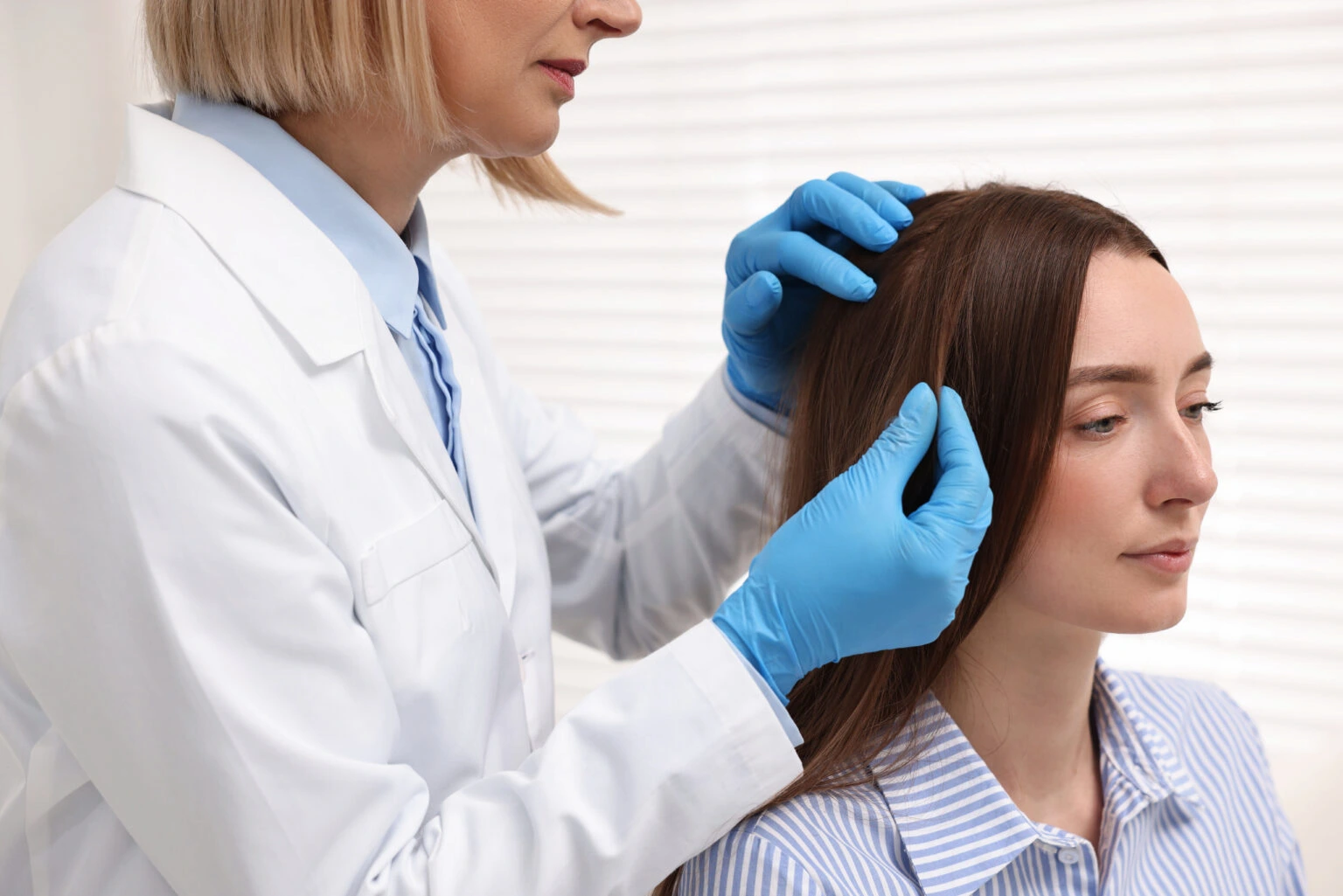
How Many Methods of Hair Transplant for Women Are There?
Medically, there are currently 3 main techniques used for hair transplantation in women:
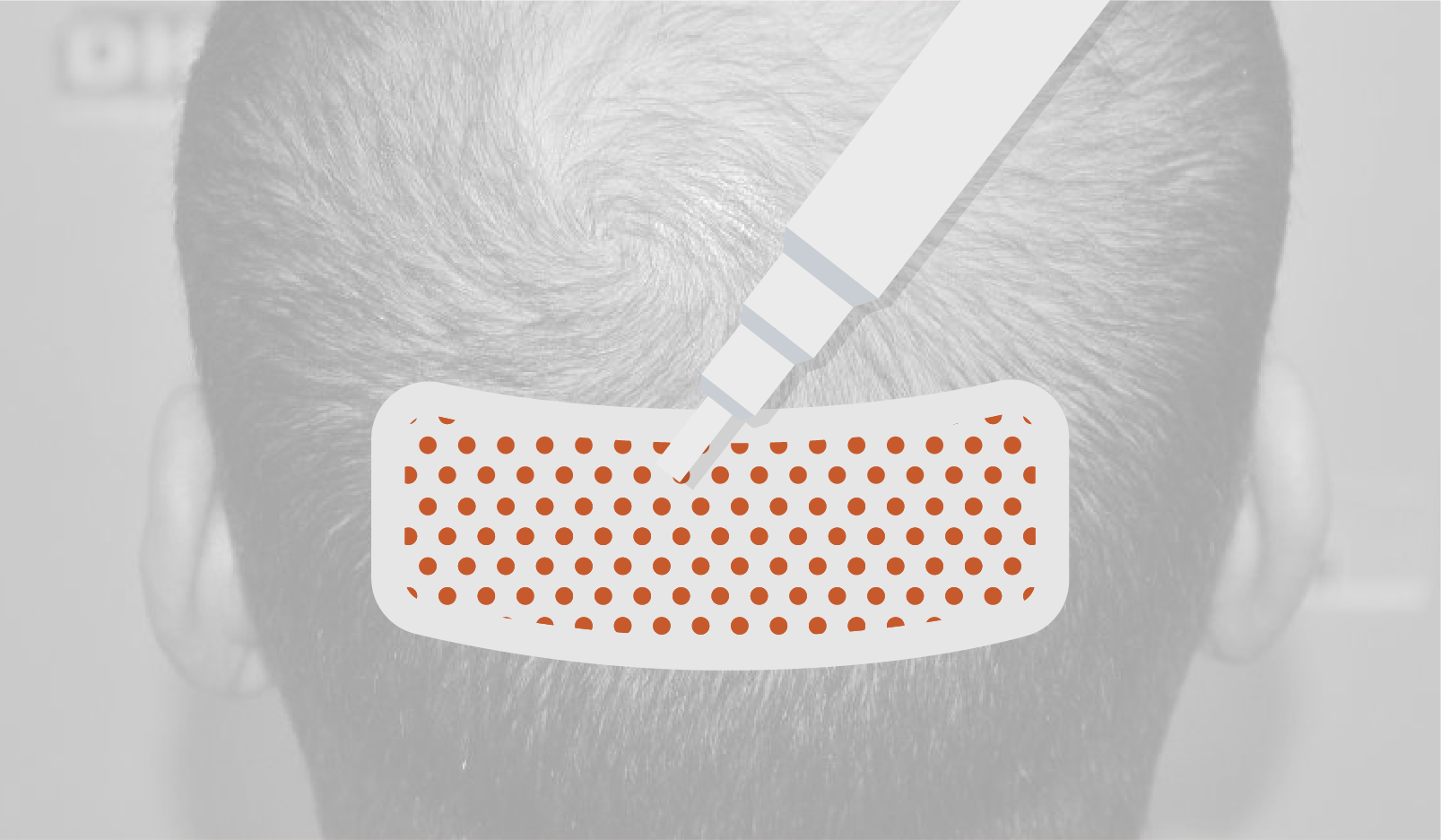
Using an instrument to extract hair roots one graft at a time. Less painful, quick recovery.
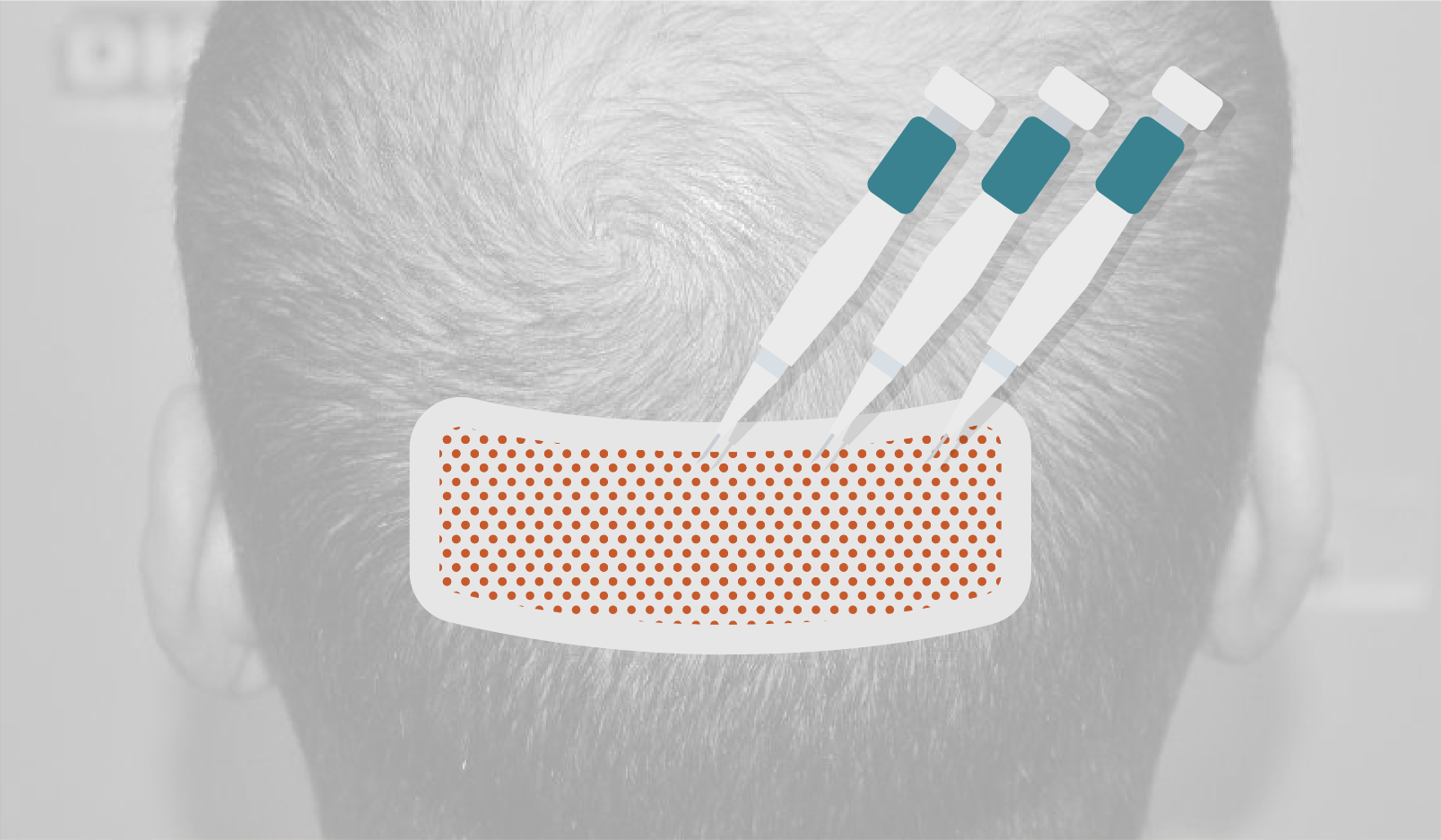
No need to shave hair, using an Implanter pen to plant directly. It is a technique that provides highly natural results, especially suitable for women.
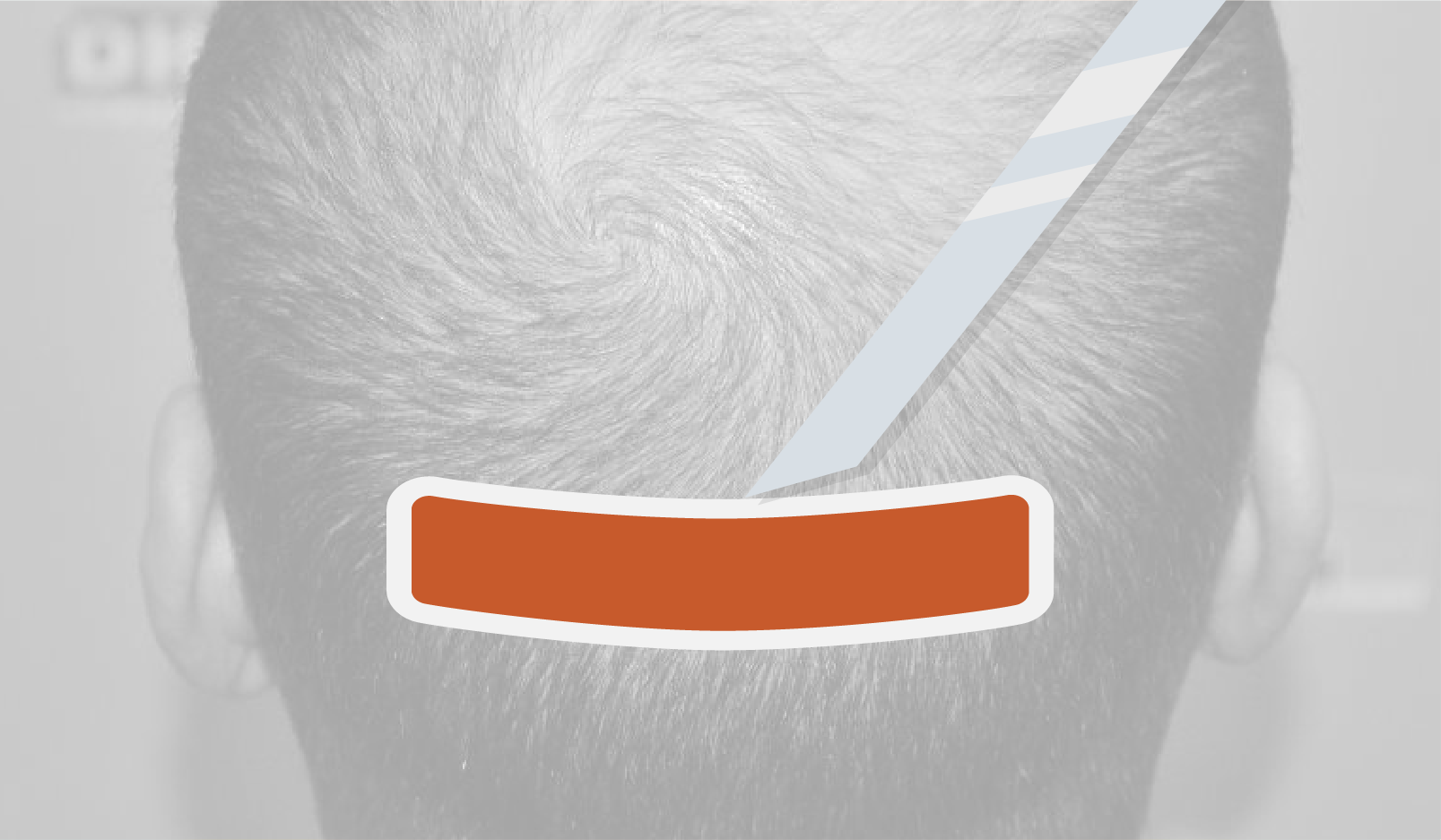
Cutting out a piece of the scalp and separating the hair roots. Suitable for those who want to transplant a large number, but there is a scar.

Pros and Cons of Hair Transplant for Women
Hair transplantation for women is an interesting option for those experiencing thinning hair, a receding hairline, or an uneven hairline. In addition to solving appearance problems, it also has a significant impact on mental health and confidence in daily life. However, although hair transplantation techniques like DHI are safe and highly effective, there are still considerations before deciding to receive the service, which can be summarized as pros and cons:
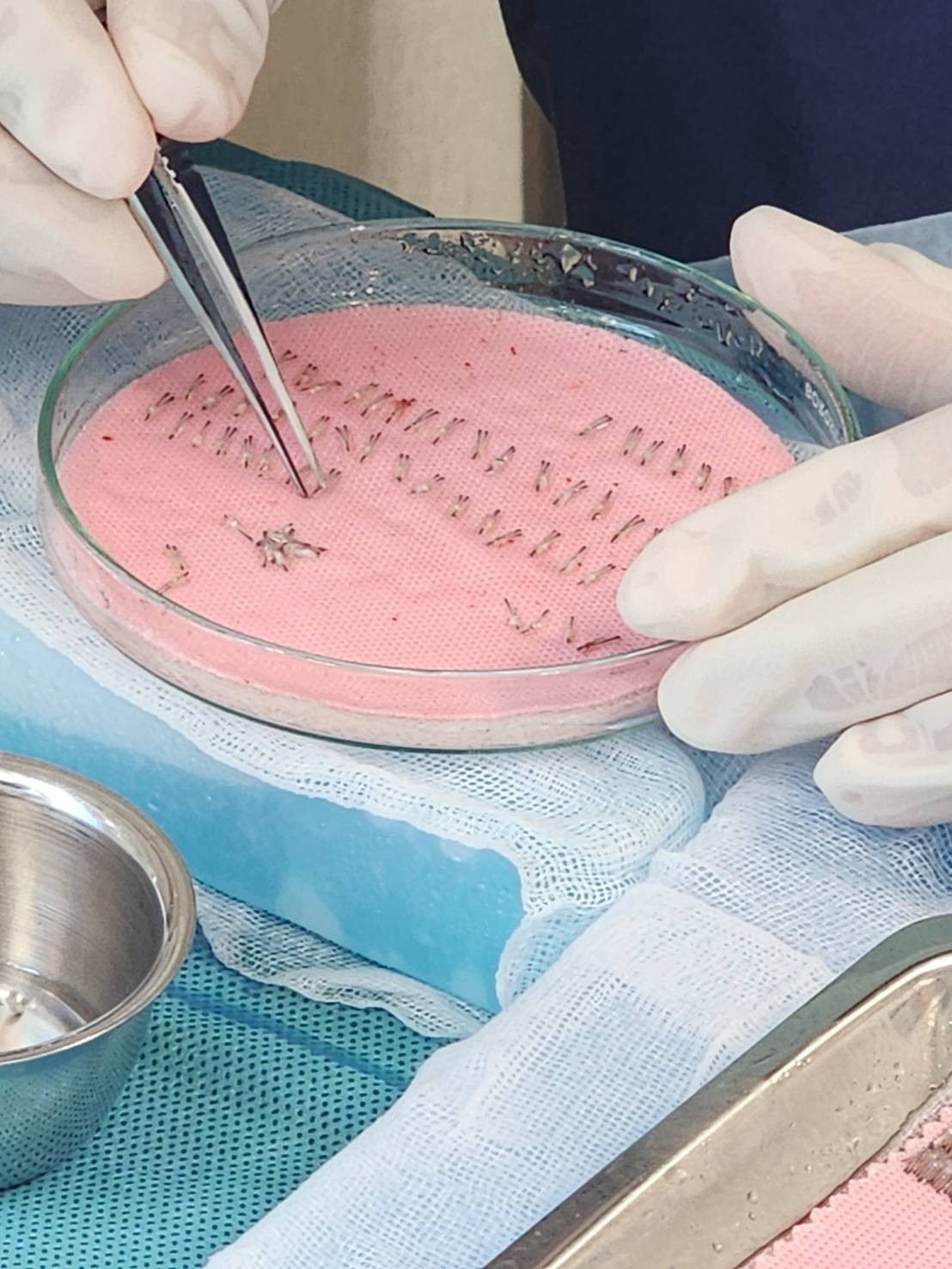
Pros of Hair Transplant for Women
- Boosts confidence, enhances personality: When the hairline looks thicker and more balanced, it makes the face look softer, increasing confidence in social or work settings.
- New hairline looks natural, blends with existing hair: The DHI technique allows the transplanted hair to have a direction similar to the original hair and can control the density and angle of implantation in detail.
- No need to shave hair or have scars: Especially the DHI technique, which does not require incisions, stitches, or scars, making it suitable for women who are concerned about their image.
- Results last for many years: If properly cared for, the transplanted hair will grow permanently and will not fall out or decrease easily.
Cons or Limitations of Hair Transplant for Women
- Takes time for transplantation and recovery: Although there is no need to stay in the hospital, in the first 1-2 days after the transplant, heavy activities should be avoided, and the body should be given time to recover.
- Relatively high cost: Especially in techniques that require high precision like FUE or DHI, which may have a higher price per graft than other methods.
- Must follow instructions strictly: If post-transplant care is neglected, such as sleeping in the wrong position, rubbing the hair vigorously, or taking medication incorrectly, it may affect the effectiveness and survival rate of the transplanted hair roots.
Why Get a Hair Transplant with DHI?
DHI Thailand specializes in DHI hair transplantation, with the same standards as DHI Global Medical Group, which has branches worldwide. You will be cared for by a team of certified doctors, with Direct Implantation hair transplant technology that precisely controls the depth, angle, and direction of the hair, making the newly transplanted hair look beautiful and blend in the most.
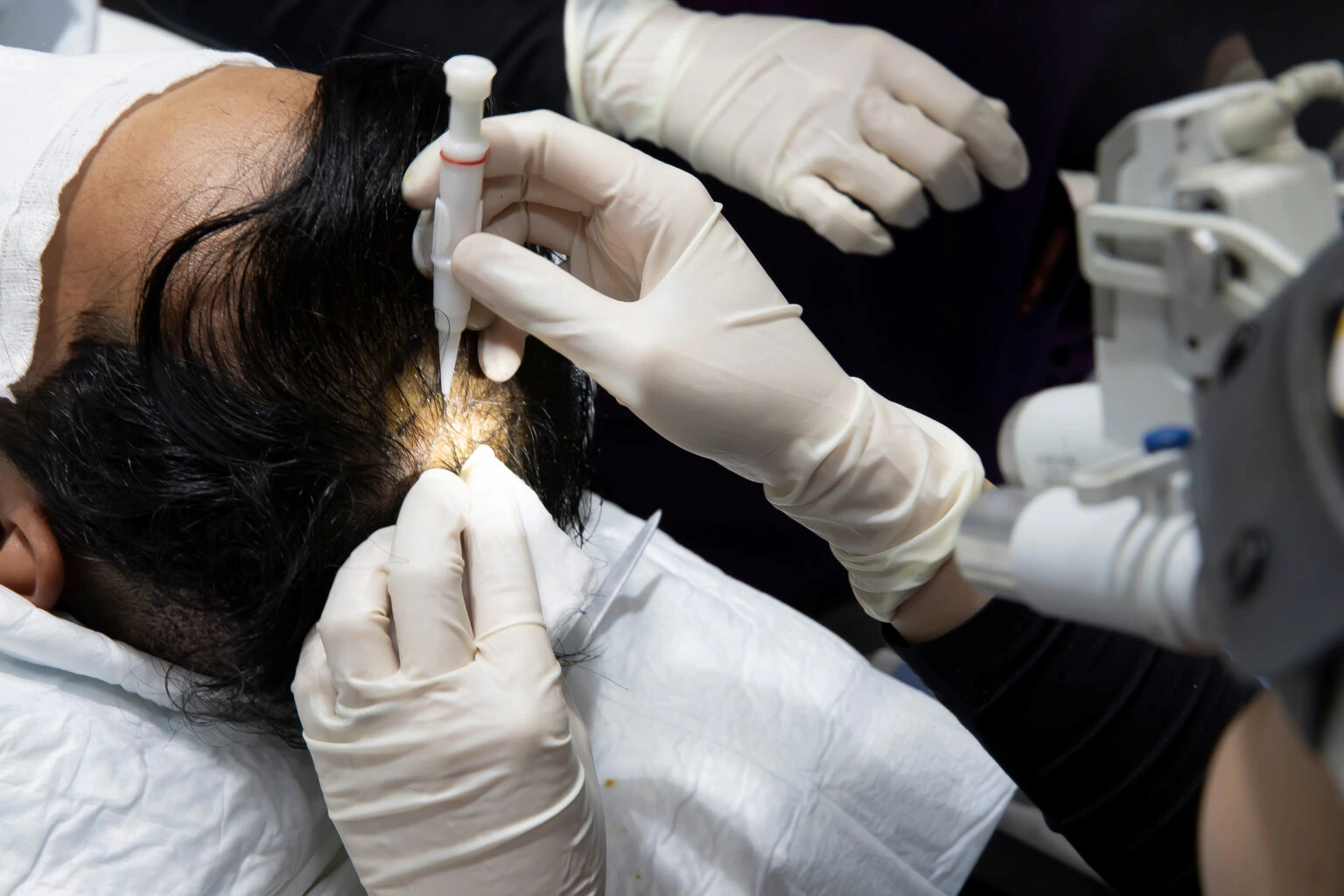
How to Care for Hair After Transplant

Avoid getting the wound wet in the first 48 hours.

Do not scratch, pick, or rub the scalp vigorously until the hair roots are well attached.

Take medication and apply medication as directed by the doctor regularly.

Use a gentle shampoo and avoid chemicals for at least the first 2 weeks.

Avoid heat, such as from a hair dryer or direct sunlight, in the initial period.
What to Avoid After Hair Transplant

Avoid strenuous exercise and swimming in the first 1-2 weeks.

Avoid drinking alcohol and smoking, which may interfere with the recovery process.

Avoid wearing hats or devices that press on the scalp in the initial period.
After 1 month, the transplanted hair will begin to enter a temporary shedding phase (Shock Loss) before growing back within 3-6 months and showing full results in about 1 year.
Hair transplantation for women is no longer as distant or complicated as it used to be. Today, there are technologies and techniques designed to meet the specific hair characteristics and needs of women directly. Whether it is thinning hair problems, a receding hairline, or an unbalanced hairline, it can be restored to look naturally beautiful again. If you are looking for a safe option that does not require a long recovery period and provides reliable results from every angle, DHI Thailand is the right answer. With specialized DHI hair transplant technology that does not require shaving hair, leaves no scars, and a team of highly experienced doctors who provide close guidance in every step, to help you regain beautiful, good-looking, and confident hair in your own way.
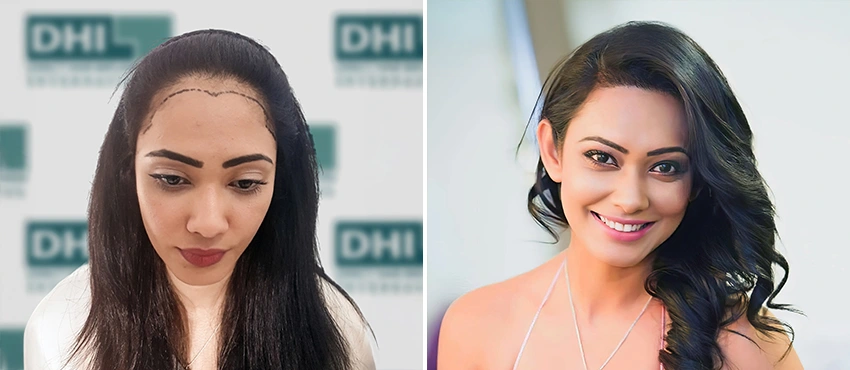
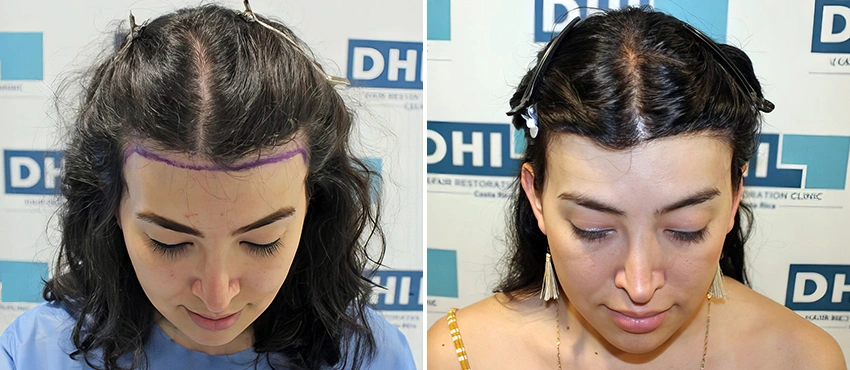
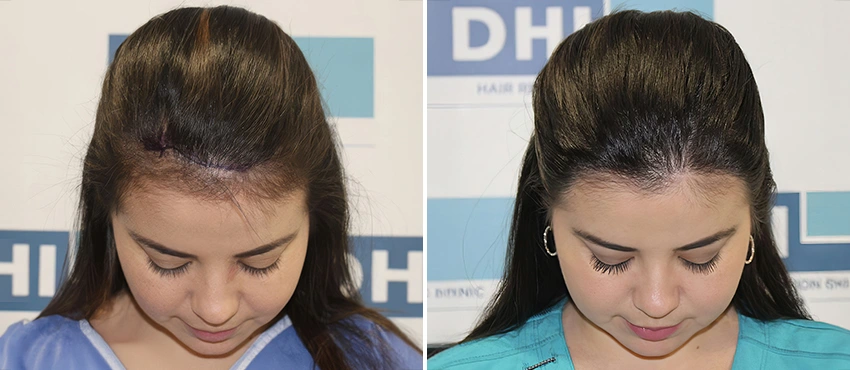
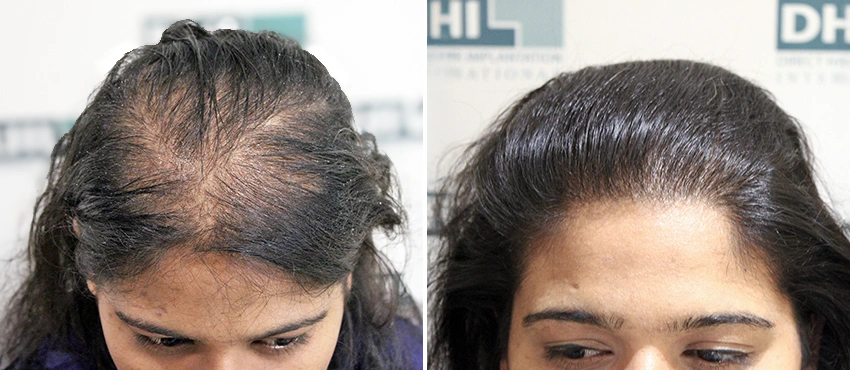
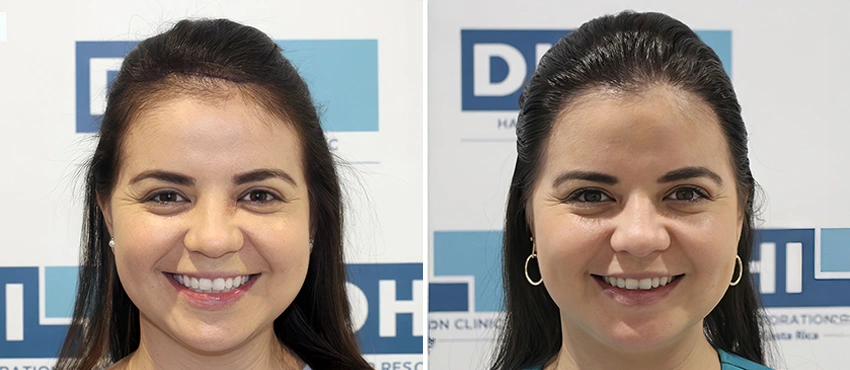
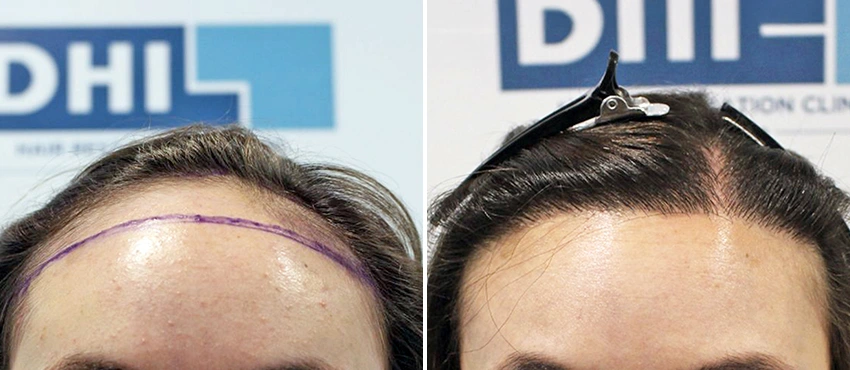
Patients Result


Others Sevice
Comprehensive hair care solutions tailored to meet all your needs.
Expert-driven solutions in hair restoration, transplantation, and comprehensive hair loss treatments for men and women.”
GFC Stimulate hair roots and restore strength with hair root stimulation treatment (GFC)
DHI leads in hair restoration with 97% survival and 100% natural results worldwide.
Eyebrows protect the eyes and define expression and appearance.