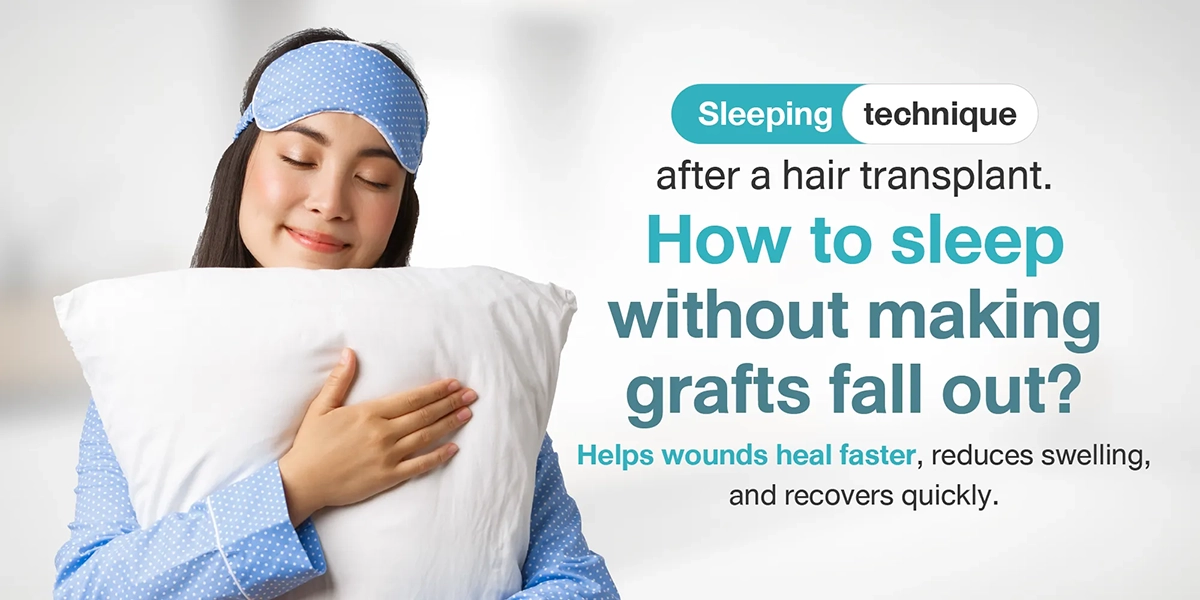
After undergoing hair transplant surgery, the recovery period is considered the most important stage because the grafts are still delicate and need to be taken care of carefully. Especially regarding the sleeping position after a hair transplant, which many people worry that if they accidentally sleep in the wrong position, it may cause bruising, swelling, or increase the risk of hair grafts falling out.
Knowing the techniques of how to sleep after a hair transplant is a key factor that helps the grafts attach well, reduce postoperative swelling, and supports natural recovery during the healing process. It also plays an important role in proper self-care after a hair transplant from the very first day.
This article will guide you to understand how to sleep after a hair transplant and the correct sleeping position after a hair transplant, helping you follow proper self-care after a hair transplant so that the results from the hair transplant clinic come out the best. These techniques also help reduce the risk of hair grafts falling out, manage scabs after a hair transplant, and make washing hair after a hair transplant safer and more comfortable.

Why is the sleeping position after a hair transplant important for recovery?
After undergoing hair transplant surgery, the first 7–10 days are the strictest period of care because the grafts are still weak and not fully attached. Giving importance to the sleeping position after a hair transplant therefore directly affects the safety of the grafts. If you sleep correctly, it helps reduce pressure, reduce friction, and stimulate blood circulation, allowing the grafts to recover faster and achieve natural results.
If you accidentally sleep in the wrong position, such as sleeping on your side or stomach, the pressure may cause the hair grafts to fall out, slow down wound healing, or increase the chance of swelling because some sleeping positions can affect the drainage of fluid under the skin, causing longer recovery time. It can also cause scabs after a hair transplant attached to the grafts to fall off earlier than they should.
Understanding how to sleep after a hair transplant can greatly help reduce postoperative swelling and also help prevent hair grafts falling out. Therefore, paying attention to the sleeping position is an important part of self-care after a hair transplant, because it helps wounds heal fast, reduces risks, reduces swelling, speeds up recovery, and helps the hair transplant results look natural.

5 correct sleeping positions after a hair transplant that help reduce swelling and lower the risk of grafts falling out
After a hair transplant, the recovery period requires attention to every detail to prevent pressure or friction that may cause the grafts to shift, because there is a risk of hair grafts falling out during the early stage. Choosing the right sleeping position is therefore very important. Here are the recommended sleeping positions after a hair transplant:
1. Sleeping with the head elevated at 30–45 degrees
This is the basic position most doctors recommend. Elevating the head about 30–45 degrees by using two pillows stacked together helps improve the circulation of fluids around the face and scalp, which clearly helps reduce postoperative swelling. It also reduces pressure on the transplanted area and lowers the chance of blood pooling under the skin, which can slow down recovery.
2. Back sleeping position
Sleeping on your back is the safest position during the first 3–7 days. It helps reduce friction on the scalp and prevents unnecessary movement of the scalp, which lowers the risk of hair grafts falling out more than other positions. It also helps distribute weight evenly, preventing any single area from being pressed too much. This position is suitable for patients who have had transplants on the front or mid-scalp area.
3. Using a neck pillow support
A neck pillow is another important tool for people who tend to move while sleeping because it keeps the head stable in one position and reduces the chance of tilting toward the transplanted area. It also minimizes impact or rubbing on the scalp, which directly affects the safety of the grafts during the early stage. It is a helpful support tool for those who have just undergone hair transplant surgery.
4. Avoid side sleeping
Side sleeping is the position you should avoid the most because the side of the scalp may come into direct contact with the pillow, causing pressure or friction on areas with scabs after a hair transplant, which may cause them to fall off too early. It also increases swelling in the compressed area and delays recovery.
5. Do not sleep face-down under any circumstances
Face-down sleeping is the most dangerous position because it creates high pressure on the face and scalp, which may cause grafts to shift or lead to hair grafts falling out immediately. It also affects blood circulation and slows down healing, causing more swelling than normal. This position must be strictly avoided for at least 10–14 days after the procedure.

Self-care tips after a hair transplant to help you recover as quickly as possible
After a hair transplant, taking care of yourself correctly during the recovery period is essential because small daily habits can directly affect the safety of the grafts and long-term results. Starting with simple things such as creating the right environment keeping the bedroom clean, dust-free, and well-ventilated helps keep the temperature comfortable, reduces inflammation, and supports faster healing.
Another important point is managing swelling, which usually occurs during the first 2–3 days after the procedure. The safest method is applying a cold compress only on the forehead. Do not touch the transplanted area, as it may damage the grafts. Avoiding touching, scratching, or rubbing the scalp is extremely important because even small pressure may cause the grafts to shift or increase the risk of hair grafts falling out during the early recovery stage.
Patients with pets should be especially careful. Pets should not be allowed on the bed to prevent fur or dirt from touching the wound. Avoid using thick blankets with fibers that may stick to the transplanted area.
During days 7–14, scabs after a hair transplant will naturally fall off. Let them fall on their own. Do not pick or pull them off, as this may cause wounds or pull out grafts with blood attached. Most importantly, always follow the instructions from the doctor at the hair transplant clinic, as the doctor will give care guidelines based on each person’s wound condition to ensure the safest recovery.

How to wash your hair correctly after a hair transplant
Washing your hair after a hair transplant requires great caution because doing it incorrectly can directly affect the wounds and grafts. Around days 7–10, doctors will allow gentle cleaning using mild foam, letting the scabs soften before rinsing gently. Do not pull or pick them off, as it may cause abrasion or pull out grafts.
Start by slowly pouring water onto the scalp, avoiding high-pressure showers, as the strong water force may hit the transplanted area and cause hair grafts falling out. Use gentle foam or saline solution instead to minimize irritation and clean the wounds without disturbing graft adhesion. Most importantly, do not scrub or rub, whether on the transplanted area or the surrounding skin, because even light friction may cause grafts to shift or fall out.
For maximum safety, follow the washing instructions given by the doctor from the hair transplant clinic, as each patient may have different skin conditions and levels of healing. Proper care will help the wounds recover well and reduce the risk of hair grafts falling out.

Timeline of recovery after a hair transplant
After undergoing hair transplant surgery, understanding the stages of recovery helps your wounds heal faster and reduces worry during each phase, especially during the early period when grafts are still at risk of shifting or leading to hair grafts falling out if not cared for properly.
Day 0–3
This period is the most critical. Avoid bending your head down, touching the transplanted area, or doing heavy activities that increase blood flow to the scalp. These actions can worsen swelling and directly disturb the transplanted area.
Day 3–7
During this time, swelling will noticeably decrease if you sleep in the correct position and follow the doctor’s advice. Blood circulation in the transplanted area improves, helping the wound heal and the skin begin to reattach properly.
Day 7–14
This is when scabs after a hair transplant naturally begin to fall off, which is a good sign that the skin is healing. However, let them fall on their own. Do not pick, scratch, or scrape them, as this may pull out grafts along with them.
Day 14–30
The grafts start to attach more firmly, and the wounds heal better. You can return to normal daily activities, but you should still continue proper self-care after a hair transplant and follow the instructions from the hair transplant clinic to avoid damaging the results and ensure the outcome looks natural according to the doctor’s plan.
Summary
Giving importance to the sleeping position after a hair transplant is one of the key factors that helps reduce swelling, lowers the risk of hair grafts falling out, and allows the wounds to heal naturally and quickly. Once you understand how to sleep after a hair transplant safely and follow the doctor’s instructions correctly, your recovery will be faster and the results will align with the treatment plan.
Additionally, practicing strict self-care after a hair transplant and following the guidance from the doctors at the hair transplant clinic will help the grafts adhere well and reduce the risk of complications. If you want the best results from your hair transplant from the surgery day through recovery choosing a reputable clinic with a professional medical team is essential.
You can book a free assessment with DHI specialists to receive personalized advice and a detailed scalp evaluation to determine the best treatment plan for you.