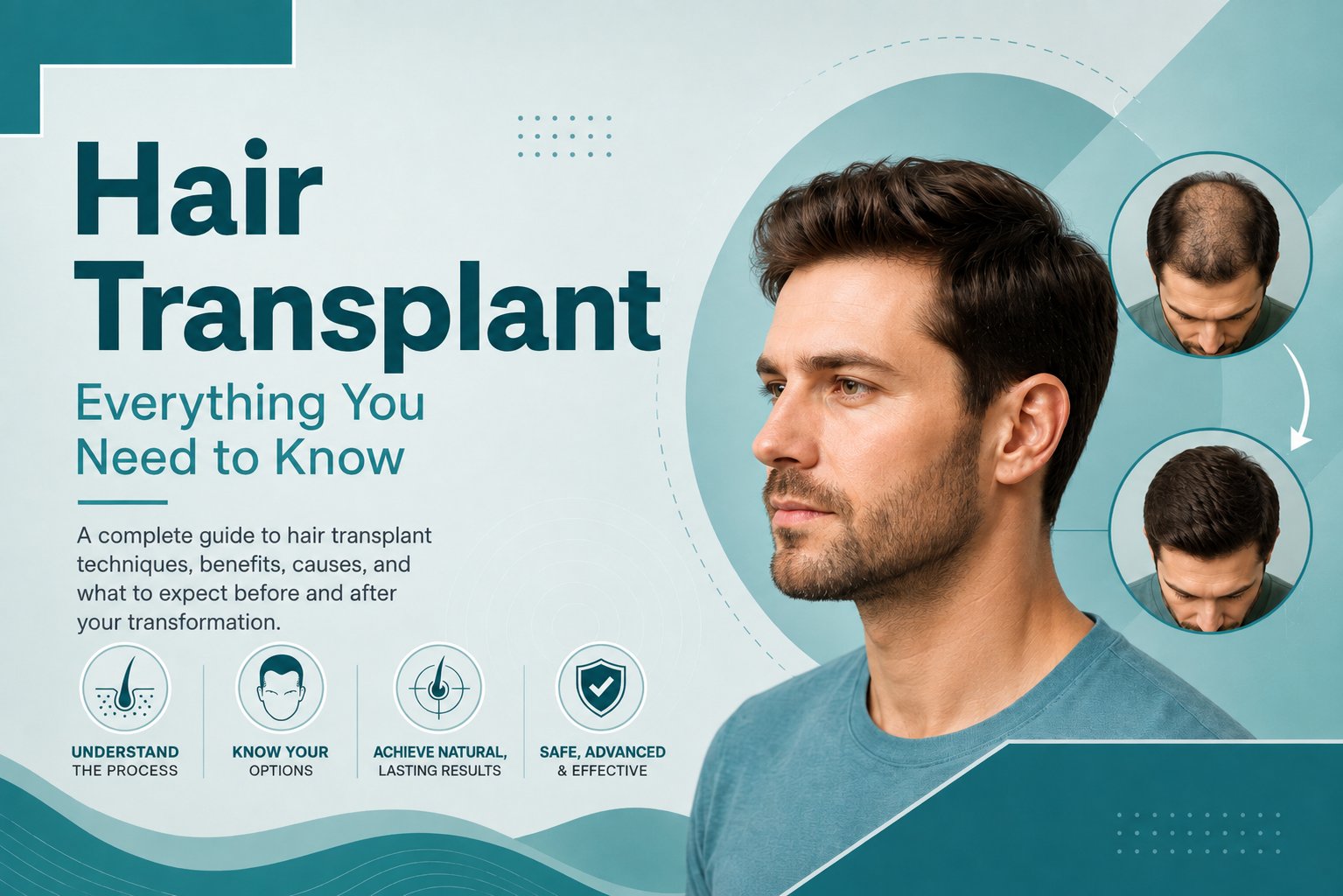
“Thinning hair or baldness,” while not directly affecting health, significantly impacts self-confidence for many, especially in situations involving frequent social gatherings, presentations, client meetings, or even family gatherings. People have long tried to conceal this problem using remedies like herbal remedies or wigs, but now hair transplantation, with its visible results in a single treatment, has become widely popular. Modern and diverse techniques have been developed to address the needs and concerns of people of all ages.
Of course, the most important thing is the “results.” Many people may think that no matter the price, once you pay, it’s “done.” However, hair transplantation is quite difficult to fix if problems arise, and it must be acknowledged that the cost of each procedure is not cheap. Choosing the right quality, experience, care, location, and price all affect the desired results. *In this article, we have compiled everything you need to know before undergoing hair transplantation to prepare you and help you choose the technique that best suits your needs.
What is a Hair Transplant?
Hair transplantation is the process of moving hair follicle cells from the back of the head (donor area) to a thinning area (recipient area). It’s not about culturing new hair follicles as many people mistakenly believe, but rather “transferring hair follicles” from one point to another to make that area appear fuller. This is done through surgical incisions and implantation of hair follicle cells. The hair follicle cells taken from the back of the head are called “grafts,” and each graft contains 1-4 hairs.
The Thing You Need to Remember
Everyone has hair follicle cells, which gradually produce hair. However, these cells are limited in number and have a lifespan. This means that once a cell dies, it’s gone forever and cannot be regenerated. Therefore, hair transplantation planning is always necessary, especially for those with genetically-induced hair loss, which is a long-term problem because once transplanted, the hair in the affected area will not be able to regrow.
Nowadays, it’s generally not possible to use hair from another person for hair transplantation. However, there are some rare cases, such as those requiring immunosuppressant medication or identical twins(monozygotic) who can use each other’s hair.
That is the reason why we should consider a hair transplant clinic in every aspect from doctors, facilities, instruments to results and reviews. If everything is right then the chance of losing hair grafts could be very low.
Who can Benefit from Hair Transplant Surgery?
Those experiencing hair loss or thinning and seeking to restore their confidence and hair growth, especially those who cannot undergo hair follicle stimulation injections or those with severe hair loss resulting in a shiny scalp (indicating the hair follicle cells are dead) and for whom other treatments are ineffective, and who want the most noticeable results without uncertainty, should consider hair transplantation as the most effective method for reducing hair thinning or baldness currently.
What are Some of the Main Causes of Hair Loss?
Hair loss can occur due to several factors, including genetics, hormonal changes, lifestyle, and other underlying conditions. Below are some of the major reasons that can contribute to hair loss and thinning:
1. Genetics:
This condition mostly occurs in men and is called Male Pattern Baldness or Androgenic Alopecia. If someone in your family has this problem, there’s a high chance you will also experience hair loss. This is caused by the hormone DHT binding to hair follicle cells, causing them to gradually atrophy and eventually die. It most often occurs on the front and back of the scalp.
For women, this is called Female Pattern Baldness. It starts more often in the hairline at the parting of the scalp, while the hair follicles at the back of the head mostly consist of hair follicle cells that are not affected by the hormone DHT. This means that newly transplanted hair will not fall out due to this hormone.
2. Hormonal Changes:
It is caused by drastic hormonal changes, especially in women, such as during pregnancy, postpartum, and menopause.
3. Health problems or diseases (Medical Conditions):
Conditions causing patchy hair loss (Alopecia Areata), thyroid disorders (Hyperthyroidism), acute hair loss (Telogen Effluvium) due to severe infections, fungal infections of the scalp, seborrheic dermatitis, etc.
4. Stress and Lifestyle:
Cortisol, or the stress hormone, can contribute to hair loss. Taking large amounts of hormones over a long period can cause hair loss, especially in people who don’t manage their time well, as it can lead to accumulated stress.
5. Nutritional Deficiencies:
This problem stems from lifestyle or eating habits. Hair loss and weak hair due to nutritional deficiencies can result from deficiencies in biotin, zinc, copper, vitamin D, and iron, among others.
Hair loss due to genetics is sometimes mistaken for a nutritional deficiency. Therefore, it is very important to consult a doctor before undergoing hair transplantation to determine the true cause of the problem.
What are the Different Hair Transplant Techniques?
There are many different hair transplant techniques available, each with varying costs and results. It depends on our budget and the results we’re willing to accept.
FUT (Follicular Unit Transplantation) hair transplant technique.
This is a traditional technique that is no longer popular, especially at DHI Clinic. It involves shaving the hair and using a scalpel to cut a small rectangular strip containing healthy hair follicle cells from the donor area. The doctor then separates these hair follicle cells, called “grafts,” and transplants them to the thinning area. This method is prone to leaving visible scars in the initial stages after the procedure.
FUE (Follicular Unit Extraction) hair transplant technique.
This method is a newer, more advanced technique than FUT (Follicular Unit Transplantation). It’s non-surgical, meaning no scalpel is used. Instead, a small drill is used to extract grafts one by one, which are then immersed in a solution awaiting transplantation into the desired area. This results in a more natural look and less visible scarring compared to FUT.
DHI Group, along with other physicians, was involved in developing and promoting this technique. Konstantinos Giotis, the founder of DHI, was one of the early pioneers who abandoned the use of FUT and widely adopted the FUE technique.
DHI Hair Transplant Technique
This technique was developed by DHI and is an advancement of FUE. It utilizes the DHI implanter, or hair transplant pen, designed by DHI to extract and replant grafts in a single step.
With this hair transplant pen device, doctors can precisely control the angle, position, and depth of hair follicles, resulting in a natural-looking appearance. DHI guarantees a high survival rate of up to 97% of hair grafts due to its very short time out of the body and faster recovery compared to FUT and FUE techniques.
Comparing DHI vs FUE vs FUT
| Comparison topics | FUE(Follicular Unit Extraction) | DHI (Direct Hair Implantation) | FUT(Follicular Unit Transplantation) |
| pain | I hardly felt any pain. | It doesn’t hurt. | There is pain. |
| Planting process | Holes/channels are made in the scalp beforehand. | Hair follicles are planted directly onto the scalp. | There is surgery/incision. |
| Direction control | The angle, depth, and direction cannot be controlled, so the results may look unnatural. | Complete control over angle, depth, and direction. 100% natural results. | The angle, depth, and direction cannot be controlled, so the results may look unnatural. |
| Work standards | There are no formalities or written requirements. | Complies with international standards – Certified by UK CQC. | There are no formalities or written requirements. |
| scars | It left scars on the scalp. | Leaves no scars. | Leaves a large/visible scar. |
| Graft survival rate | The graft survival rate is low. | The graft survival rate is over 90%. | The survival rate of grafts is very low. |
| Recovery period | 2-3 days | 1 day | 2 weeks |
| Procedure Performer & Safety | Performed by multiple technicians, this results in excessive handling of the grafts and makes the hair follicle cells easily damaged. | This is a patented technology and is performed only by physicians who have been trained and certified by the DHI Academy. | Performed by multiple technicians, hair follicle cells are easily damaged. |
How the Hair Transplant Procedure Works
For effective procedure and to select the appropriate number of grafts and techniques suitable for each patient, the following steps should be taken:
Step 1: Consultation
A hair consultation involves gathering patient information, including their medical history and past results, to determine if they are a good candidate for hair transplantation and to recommend the most suitable technique.
Step 2: Hairline Design
After the consultation, the doctor will design a personalized hairline that looks natural and best suits the patient’s facial structure. Typically, the hairline design may differ between men and women.
For men, the hairline tends to be M-shaped or square, while for women, it’s more delicate (Feminine Hairline), which is rounder and more curved. For LGBT+ individuals, however, they can choose according to their preference.
Calculating the number of grafts at this stage is crucial. If too many are transplanted, the hair grafts will compete for nutrients, leading to malnutrition and loss of hair grafts. On the other hand, transplanting too few will waste your time, as the result will end up thin and unnatural-looking.
Therefore, if a clinic promises unlimited grafts in one single area, know that it’s biologically impossible.
Step 3: Hair Extraction
Hair follicle grafting, specifically from the back of the head, is a crucial step. If performed by an inexperienced physician, the grafts may be damaged and rendered unusable, resulting in immediate hair loss for the patient. Grafts should not be taken from nearby areas. Therefore, choosing an experienced and skilled physician is the safest option.
Step 4: Hair Implantation
Another crucial aspect is that this step combines science and art. Placing grafts in the wrong position or at the wrong angle will result in unnatural-looking hair. Placing them too shallowly will cause the scalp to bulge unnaturally, resembling a cobblestone road (cobblestone effect). Placing them too deeply will cause the hair to sink into the scalp (pitting effect). Both of these are very difficult to correct and may take months or even years to resolve. Furthermore, not all cases are lucky; some require a new hair transplant. Placing them too close or too close together can also lead to graft death because the hair follicle cells will compete for blood supply, and if they are placed that close, there usually won’t be enough, resulting in unnecessary graft loss.
This problem can be solved by choosing an experienced and well-trained doctor.
Step 5: Recovery
This step involves cleaning the wound, removing the bandages, checking the results, and cleaning after the hair transplant. Patients will come to the clinic periodically as scheduled by the doctor, usually 1-2 days after the hair transplant is completed. The doctor will remove the bandages and check everything is in order. For FUT (Fair Uterus Syncytial) procedures, the doctor will remove the sutures after 7-14 days.
Who is a Good Candidate for a Hair Transplant?
While it’s true that hair transplantation can be applied to treat various types of hair loss, whether from accidents, genetics, health problems, or chemicals, “not everyone is suitable for hair transplantation.”
So, who is the easiest person to get a hair transplant? Let’s find out.
Age Consideration
Age here doesn’t necessarily mean being too young, but rather that it’s not an exceptional case like a fire or accident that causes scarring on the head and prevents hair regrowth. The recommended age is 20 years and older (but this needs to be assessed by a doctor first, as this age is considered very young for hair transplantation. In fact, for those aged 25-26, doctors might even recommend other procedures first because our hair follicles are limited and will last a long time, so it should be considered as a last resort. However, if there are many grafts remaining in the donor area, the doctor might consider proceeding with hair transplantation. It really depends on individual factors.)
Can older people get hair transplants…? It’s not necessary to be under 65 years old. As long as the patient has enough grafts and their physical and scalp condition meets the criteria for hair transplantation, the doctor can perform the procedure. Age is just a number.
Hair Loss Pattern
Hair transplantation is most suitable for individuals with stable hair loss. Doctors can predict the hair loss pattern, such as male pattern baldness or female pattern hair loss, depending on their assessment.
Sufficient Hair Grafts
Sufficient hair grafts for hair transplantation, including grafts in a sufficient donor area. This also includes cases of hair loss that are not so widespread as to be inaccessible to donor grafts.
Overall Health
High blood pressure doesn’t mean there’s widespread hair thinning across the scalp, because the donor area may not have enough hair for transplantation, and it also means there might not be enough hair resistant to DHT, so if transplanted, it would eventually fall out anyway.
Those without conditions that affect hair transplantation, especially SLE (Lupus), HIV (Immunodeficiency Virus), AA (Alopecia areata), trichotillomania, anemia, severe diabetes, or those with persistent scalp skin conditions such as severe psoriasis, severe seborrheic dermatitis, or fungal infections of the scalp, etc., are not eligible for hair transplantation.
Not having a severe allergic reaction to local anesthesia is an unavoidable risk, as hair transplantation definitely requires local anesthesia.
Each case will have different types of problems; therefore, we recommend consulting with a specialist or having a doctor evaluate your situation first.
In cases of underlying medical conditions, hair transplantation is only possible if the patient’s symptoms have improved enough for a doctor to assess that it is suitable. Therefore, it is crucial to always consult a doctor beforehand.
For example, for individuals with HIV, if their CD4 count is within the normal range and they are taking medication to suppress it to the point where it is undetectable, hair transplantation is possible. However, this depends on the doctor’s diagnosis.
As for autoimmune hair pulling disorder, hair transplantation can help, but if the hair pulling symptoms do not improve, the hair will thin again. Therefore, it is recommended to consult a psychiatrist or therapist to address this issue first.
Hair loss is not so severe that hair transplantation is not possible, such as Norwood scale levels 6-7, where there may not be enough hair to transplant (depending on the doctor’s diagnosis).
Realistic Expectations
Understanding the different types of hair transplantation and the amount of grafts required, in relation to the severity of hair thinning, is important. Sometimes, if expectations are too high, the doctor may reject the case because it’s impossible to meet the patient’s expectations, which would be detrimental to both parties.
Recovery and Restoration (Hair Transplant Recovery Timeline)
- First 1-3 days: The hair transplant area may be slightly swollen, tight, or red. Be careful to avoid bumping your head and wash your hair strictly according to your doctor’s instructions. Avoid activities that cause sweating and heat, especially strenuous exercise.
- First 1–2 weeks: Scabs begin to dry and gradually fall off. Hair roots begin to firmly attach to the scalp. You can return to work and your daily life as normal.
- First 1–3 months (Shock Loss): The transplanted hair will begin to fall out, which is a natural process of hair cell shedding (don’t worry, the hair roots remain under the skin).
This is caused by insufficient blood supply to the hair roots. The hair will gradually grow back on its own.
- 3–6 months: New hair begins to grow. It is initially soft and gradually thickens.
- 9–12 months or more: Hair grows fully, becomes thicker, and the final results are clearly visible.
Post-Hair Transplant Aftercare Tips
Avoid contact and impact: Avoid bending your head down, rubbing, picking, or scratching the hair transplant area during the first week. Absolutely do not scratch or pick at the scabs during the first 7-10 days.
Proper hair washing: Use room temperature water and a mild shampoo recommended by your doctor. Gently pat dry; do not rub vigorously.
Ideal sleeping position: Sleep with your head elevated on a pillow at approximately a 45-degree angle for the first 3-5 days to reduce swelling in the face and forehead.
Avoid risky activities: Avoid strenuous exercise, saunas, or excessive sun exposure for at least 2–4 weeks.
Avoid smoking and alcohol: You should abstain for at least one week after the procedure, as they affect blood circulation and wound healing.
Hair Transplant Results: What to Expect
The results of hair transplantation are not immediate; it requires time and patience.
Natural appearance: Newly transplanted hair will grow longer and can be cut, styled, or washed like normal hair.
Density: Hair density depends on the number of grafts used and the quality of the hair in the patient’s donor area.
Permanent results: Hair follicles transplanted from the back of the head are resistant to DHT hormone, resulting in permanent hair that doesn’t fall out easily like the original hair which had problems.
Natural hair shedding will continue as part of the normal hair growth cycle, which typically consists of 15-17 cycles. Each full-growth cycle takes 5-7 years, depending on individual genetics.
Potential Risks and Side Effects
Like all medical procedures, hair transplantation also carries risks.
In most cases, this is a temporary risk, especially if you choose to have the procedure done at a clinic and with doctors who are fully licensed according to the law.
Swelling and redness: This may occur on the forehead, around the eyes, or on the scalp and will gradually disappear on its own within 3–7 days.
Itchy and tight scalp: This occurs during wound healing and can be relieved with a moisturizing spray prescribed by your doctor.
Infection or scarring: These are very rare if the procedure is performed in a standard clinic with sterilization and proper wound care as instructed by the doctor.
Shock Loss: Temporary hair loss, either from the original hair or transplanted hair, during the first 1-2 months after the procedure, depending on individual factors. This is a normal condition and the hair will regrow on its own.
Scarring: If the FUT technique is used, there may be a noticeable scar, especially if you keep your hair very short.
However, with most current techniques, there are no visible scars that can be seen with the naked eye.
Facts vs. Misconceptions about Hair Transplants
| Misconceptions (Myths) | Facts |
| Hair transplantation is very painful and requires a long recovery period. | Local anesthesia is used during the procedure, so you may only feel pain when the anesthetic is injected. Furthermore, current technology allows for a recovery period of only a few days. |
| The newly transplanted hair will eventually fall out. | The hair follicles used for transplantation are taken from areas that are not sensitive to the hormone DHT, therefore they have a longer lifespan and are permanent. |
| It is possible to have hair from another person transplanted into our body. | Only your own hair follicle cells must be used to prevent the body from rejecting or reacting against the hair grafts. There are very few successful cases of hair transplantation using non-autologous hair, which usually involve identical twins or patients who have undergone organ transplantation and are on ongoing immunosuppressant medication. |
| Hair transplantation is suitable for men only. | Women can also undergo hair transplantation to address thinning hair, parted hairlines, or to adjust their hairline for a more feminine look. |
| The more you plant, the better. | Hair transplantation requires consideration of the limited hair follicles available in the donor area. Extracting too many follicles can result in noticeably thinner hair at the back of the head. |
| Once the procedure is complete, you have to take medication for the rest of your life. | After the procedure, consistent care is necessary because even though the transplanted hair won’t fall out, if the old hair in the transplanted area hasn’t completely fallen out, continued care is needed. However, you don’t need to take medication indefinitely, as there are many hair treatments/procedures available today that don’t require continuous medication. |
Factors Affecting Hair Transplant Costs
The cost of hair transplantation varies from person to person, depending on the following main factors:
Graft Count: Larger areas of thinning or baldness require more grafts, resulting in a higher cost.
Techniques chosen: Advanced techniques using specialized equipment, modern techniques are typically more expensive than traditional techniques like FUT.
Doctor’s expertise: Highly experienced doctors with a proven track record and meticulous attention to detail will deliver beautiful and natural-looking results.
Additional services and equipment include: premium graft preservation solutions, post-operative treatments (such as PRP or laser), needles, Sapphire blades (which do not blunt), and post-operative care. The quality of the equipment directly affects the price, and of course, the chances of a good outcome also depend on the doctor.
What is the Best Hair Transplant Method?
We can confidently say that there is no single best technique, as each technique depends on the budget and suitability for each patient’s case.
FUT (Follicular Unit Transplant): Suitable for those who want to transplant a very large area at once and are okay with a long scar on the back. Although not as popular as before, this technique is still available at some clinics.
FUE: Suitable for those who want no long scars, have a quick recovery, and can shave their hair short.
DHI: Suitable for those who want seamless results, faster recovery, no visible scars, with a highly natural look. It also allows for precise control of hair direction and density using an Implanter. This allows doctors to perform more efficiently with limited time.
Long Hair: Ideal for those who don’t want to shave their heads at all. You can see long hair immediately after the treatment, with no long recovery time needed. The results are natural and look great.
Therefore, choosing the best method depends on a joint assessment between the patient and the specialist, and the patient’s decision based on the doctor’s recommendations.
Why Choose DHI Thailand for Your Hair Transplant?
World-class, proprietary technology: Utilizing the patented DHI technique, which features an implanter for drilling and implanting in a single step, significantly reducing the time spent outside the body for grafts.
Confidence in international standards: Because the DHI group conducts annual branch visits to check quality, ensuring the quality and standards of DHI are the same worldwide. You can be confident in the safety and results.
Natural results: The doctor can precisely control the angle, degree, and direction of hair growth to blend seamlessly with the existing hair.
High graft survival rate: Thanks to meticulous procedures and equipment that minimizes damage to hair follicles, hair grafts have a survival rate of up to 97%.
Every hair transplant: The hair transplant is performed solely by a doctor; no technicians or nurses perform the procedure.
Conclusion:
Hair transplantation is a procedure that requires precision and a combination of medical knowledge and aesthetic artistry. It is a time-consuming and costly process. To make the most of it, thorough research and understanding are essential before making a decision.
(FAQs)
1. Is hair transplant permanent?
Newly transplanted hair is not affected by the hormone DHT, so it will not fall out.
However, the old hair that hasn’t completely fallen out in the transplanted area will still be affected by the hormone DHT and will continue to fall out. You can take medication or undergo hair thickening treatments to manage the problem.
2. Is the DHI technique better than FUE?
The DHI technique has advantages in terms of control over angle, depth, and placement. This makes it easier for doctors to design a natural-looking hairline.
3. How long does a hair transplant procedure take?
6 hours is the standard for DHI (Deep Intensive Care). It shouldn’t exceed 6-8 hours because exceeding this time significantly reduces the graft survival rate, leading to unnecessary graft loss for the patient. 6 hours is the standard for DHI.
4. Does a hair transplant hurt
Local anesthetics and pain relievers are used after the procedure, so the patient won’t feel anything.
5. Is there an age limit?
It can be done from the age of 20 and above, but it depends on the doctor’s assessment. Generally, doctors don’t recommend it for people under 26, but it depends on the case. If you are older, such as 65 or older, but still in good overall health, have sufficient graphs, and are physically fit, you can do it without any problems.
6. How long will it take to see results ?
It depends on the technique, but generally, full results are seen in 12 months.
However, some techniques, like Long Hair, show a clear hairline immediately after the procedure because no shaving is required, and good results begin to appear from the 6th month onwards.
7. Can hair transplants fail?
The newly transplanted hair will eventually fall out and will continue to live through its normal life cycle. However, the old hair that has not yet fallen out in the transplanted area will continue to fall out if not properly cared for.
8. Will I need another hair transplant in the future?
If hair loss is hereditary, the old hair that isn’t transplanted will continue to fall out. Further transplants may be necessary if the hair becomes too thin, depending on the individual and the doctor’s assessment.