In addition, we will explore hair restoration concepts such as FUE Hair Transplant, which emphasizes natural looking results and precision in graft placement to correct Baldness and Wide Forehead. The article also explains the role of the DHT Hormone, which contributes to hair follicle miniaturization, and compares the differences between general hair thinning and a high forehead caused by a Receding Hairline.
Effective treatment is not measured solely by the number of grafts, but by thoughtful Hairline Design that suits the facial structure. A well-planned Hair Transplant can create balanced proportions, reduce the appearance of a Wide Forehead, and ultimately Boost Confidence naturally in the long term.
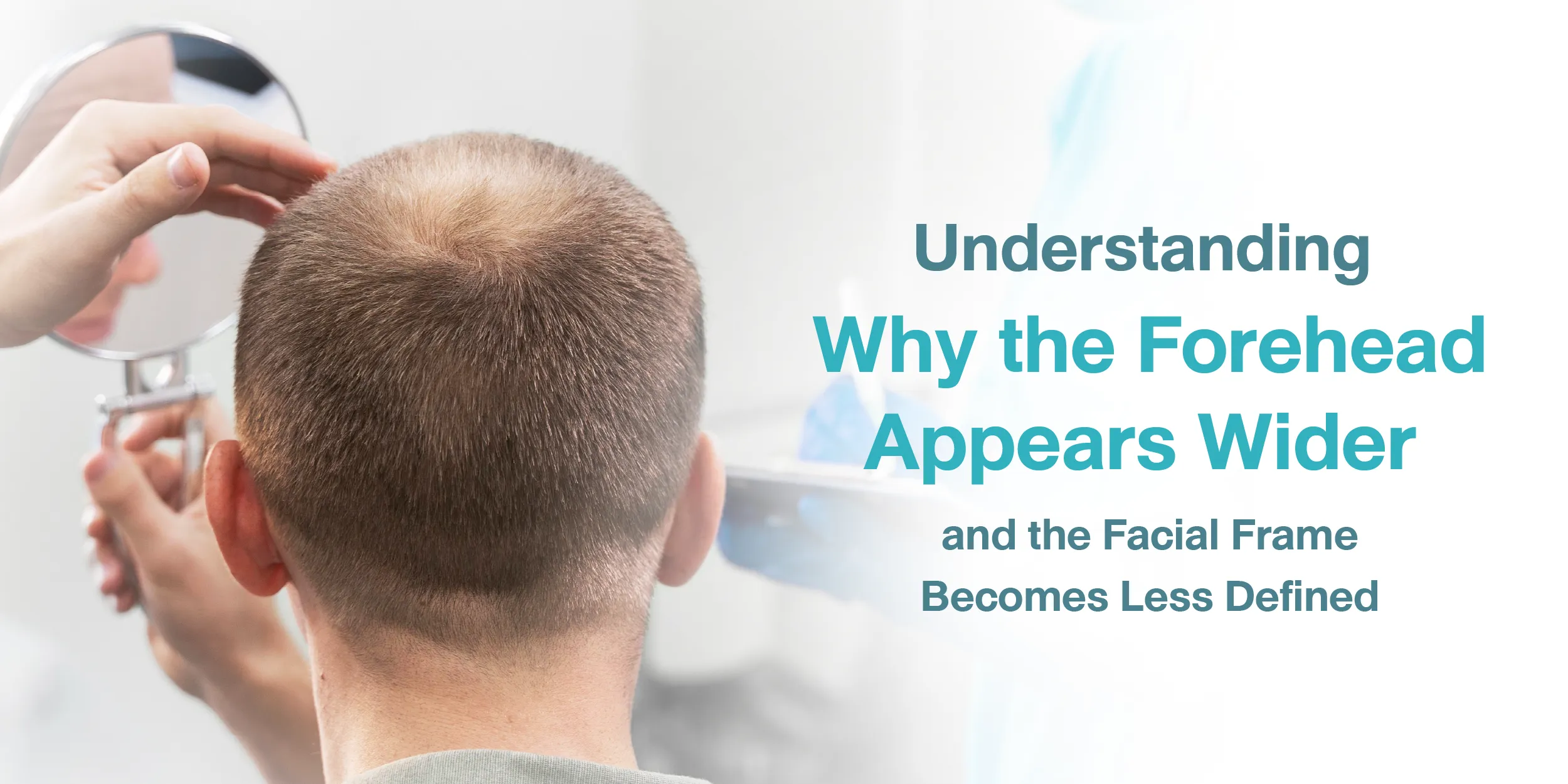
Understanding Why the Forehead Appears Wider and the Facial Frame Becomes Less Defined
Before exploring solutions, it is important to understand the root causes. Hair-related concerns typically fall into three main categories for those seeking consultation for a Hair Transplant
1. Genetic Baldness
Baldness is commonly associated with the DHT Hormone and hereditary factors. This hormone gradually shrinks hair follicles, causing strands to become thinner and shed more quickly. As the frontal hairline continues to recede, the forehead appears noticeably wider. Many individuals find their usual hairstyles harder to manage or unable to cover the forehead as before, leading them to consider a Hair Transplant as a long-term solution.
2. Receding Hairline
A Receding Hairline often begins with temple recession, forming an “M” shape. Even if it has not progressed to full baldness, it can make the upper face appear disproportionately long and add an older appearance.
3. Unclear Facial Frame
Some individuals do not experience full baldness but instead have thinning hair along the hairline and temples. This can reduce facial dimension and definition, resulting in an Unclear Facial Frame. With proper Hairline Design and strategic hair restoration planning, it is possible to refine the facial outline. This approach often referred to as hair transplant for facial frame enhancement helps reduce the perception of a Wide Forehead and naturally Boost Confidence.
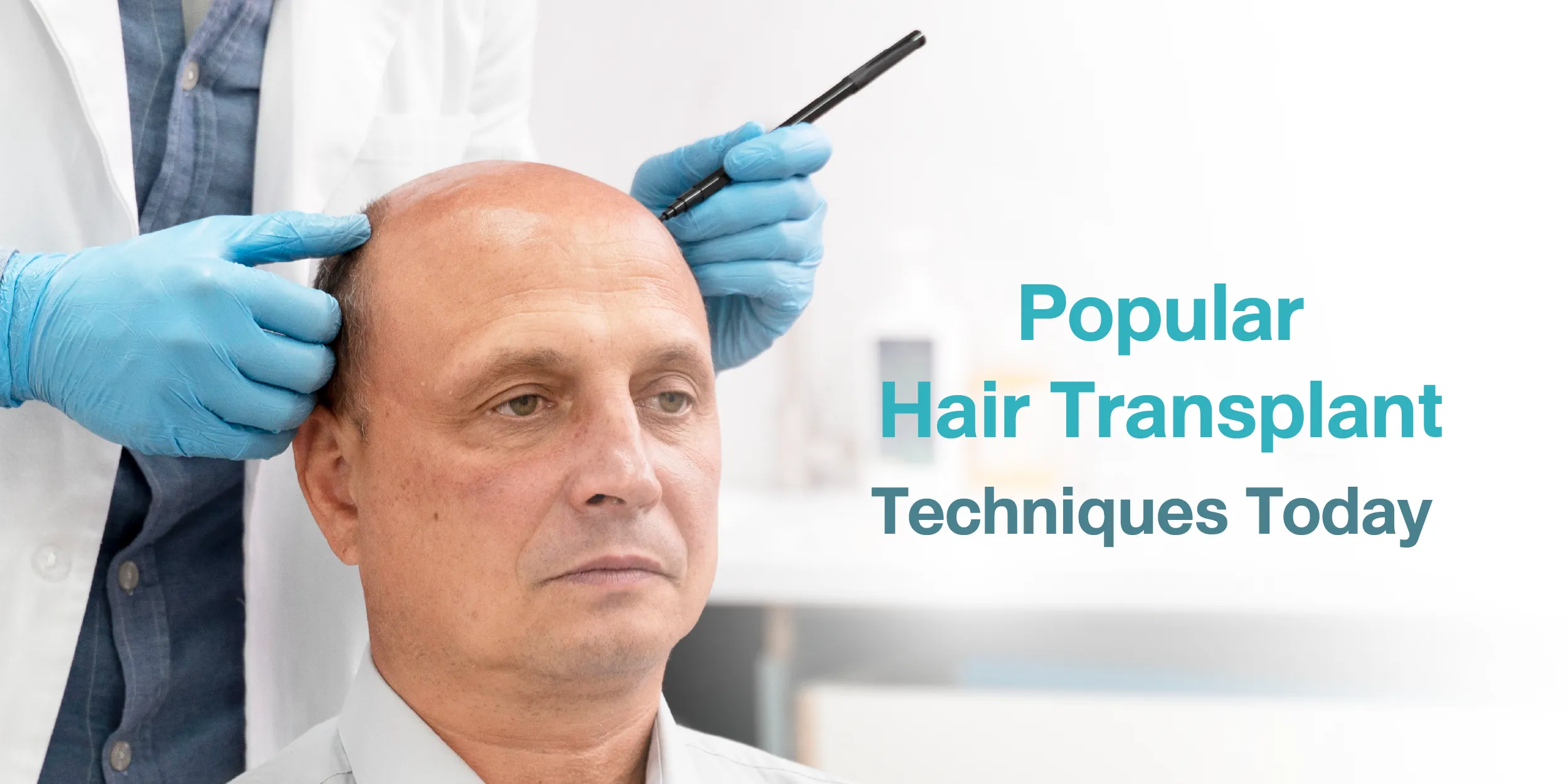
Popular Hair Transplant Techniques Today
When discussing permanent solutions, Hair Transplant procedures (Hair Transplantation) that involve relocating hair follicles provide long-lasting results. The two most widely accepted and internationally recognized techniques include:
1. FUE Hair Transplant (Follicular Unit Extraction)
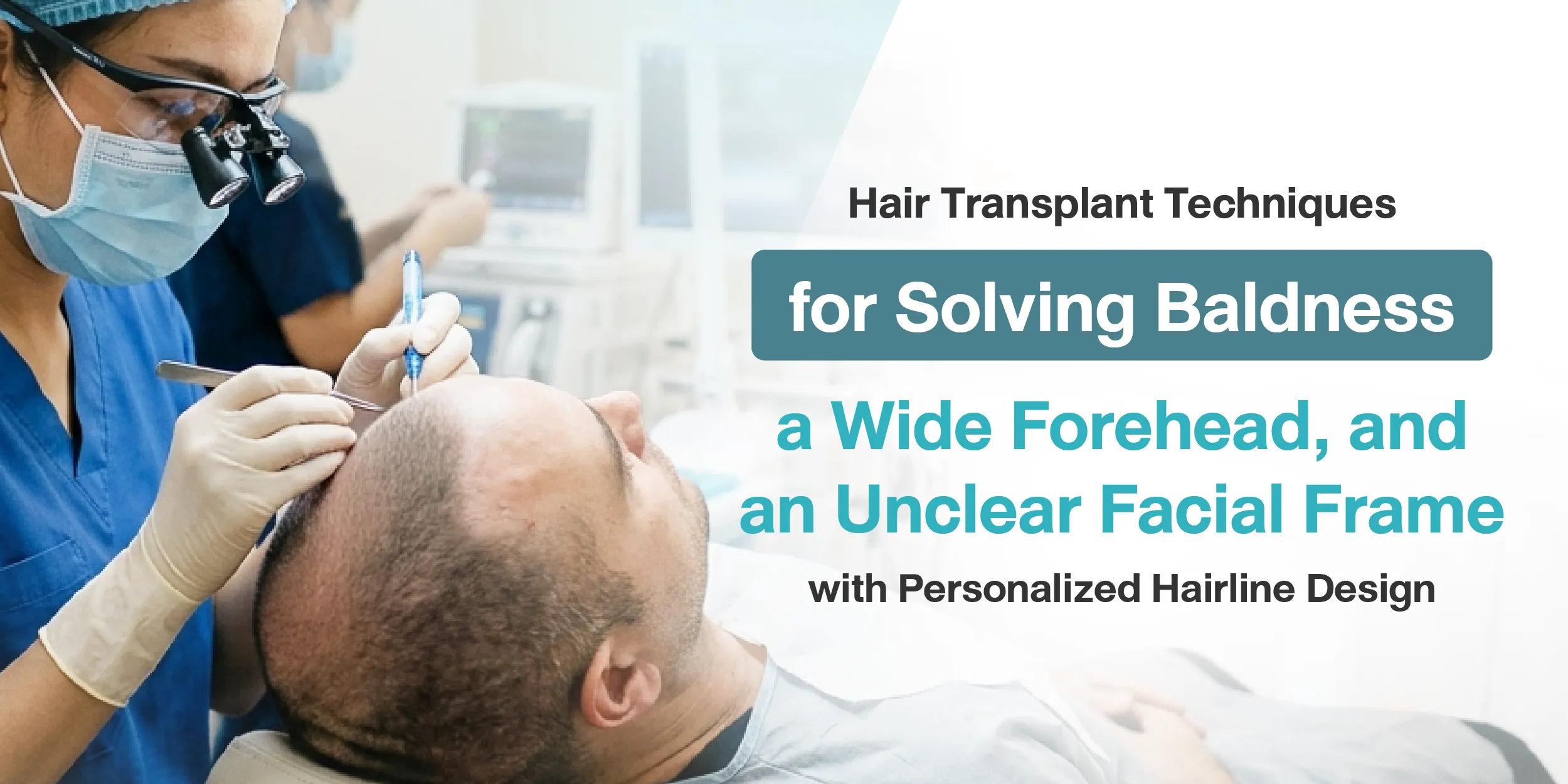
FUE Hair Transplant is the foundation of modern hair restoration. Surgeons use a small instrument called a micro punch to extract individual follicular units (grafts) from the donor area at the back of the scalp, where hair is genetically resistant to hair loss. These grafts are then implanted into areas of concern, such as the frontal hairline, temples, or thinning zones caused by baldness.
Advantages:
- Minimal scarring and no stitches required
- Faster recovery time
- No linear scar
- Allows highly customized Hairline Design tailored to each facial structure
- Improves facial balance and reduces the prominence of a wide forehead with natural-looking results
Limitations:
- Longer procedure time for large sessions
- Requires high surgical skill
- Improper graft harvesting may affect donor area density
2. DHI (Direct Hair Implantation)
DHI is an advanced development of the FUE Hair Transplant technique. It uses an Implanter Pen to insert grafts directly into the scalp immediately after extraction, without pre-creating recipient sites. This allows precise control over the angle, direction, and depth of each implanted hair.
Advantages:
- Ideal for restoring the frontal hairline and addressing a Wide Forehead
- Excellent for enhancing facial frame definition
- Provides precise, natural alignment with existing hair
- Noticeably Boosts Confidence with seamless, natural results
Limitations:
- Higher cost compared to FUE Hair Transplant
- Requires an experienced and specialized medical team
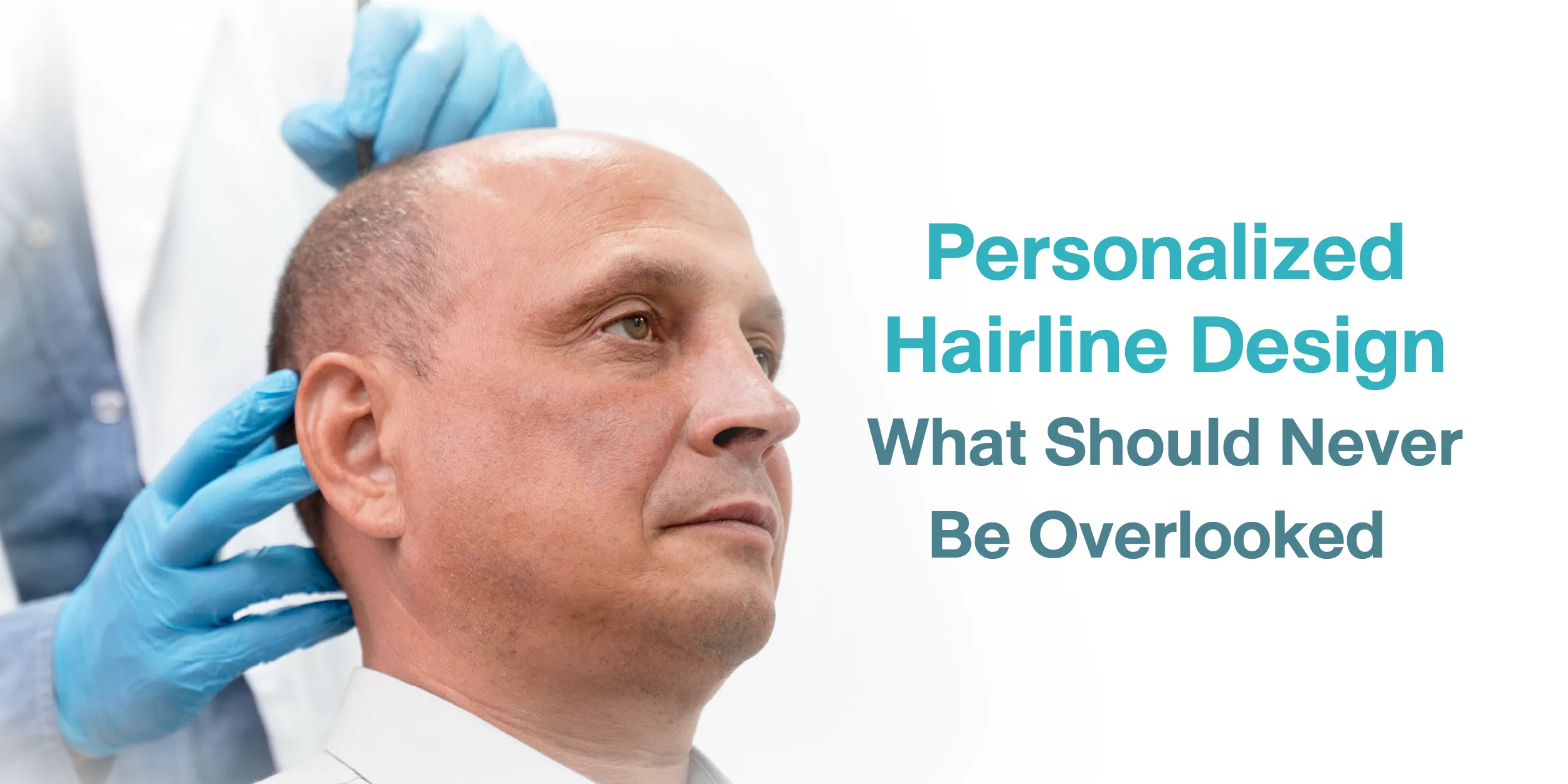
Personalized Hairline Design What Should Never Be Overlooked
Why do two people undergo a Hair Transplant at the same clinic, yet achieve noticeably different results?
Because the success of a Hair Transplant begins with proper Hairline Design from the very start.
A high-quality procedure is not simply about drawing a straight line across the forehead and implanting grafts. In reality, a natural human hairline is never perfectly straight or uniform. Personalized design must take several essential factors into account
1. The Rule of Facial Thirds
According to the Golden Ratio principle, a balanced face is divided into three equal proportions:
- From the chin to the tip of the nose
- From the tip of the nose to the eyebrows
- From the eyebrows to the hairline
When correcting a Wide Forehead, surgeons use this proportional guideline to determine how far the hairline should be lowered to create a slimmer, more harmonious facial appearance. The goal is not to make the hairline unnaturally low, but to achieve facial balance that looks natural and proportionate.
2. Face Shape Characteristics
Each face shape requires a different Hairline Design approach:
- Square face: A slightly rounded hairline softens strong facial angles.
- Oval or round face: A sharper, more defined hairline may help add structure and dimension.
- M-shaped Receding Hairline: In cases of temple recession, especially with a Receding Hairline, filling in the temple areas reduces visible gaps and prevents the face from appearing older than it is.
Properly addressing these patterns is particularly important for individuals concerned about a Wide Forehead or early-stage Baldness.
3. Natural Hair Direction and Angle
To ensure a seamless result that blends naturally, surgeons must carefully observe the existing hair’s angle and direction. Each patient’s hair grows at a slightly different degree and orientation.
The very front hairline requires finer, single-hair grafts placed at a shallow angle, closely aligned with the scalp. If implanted too upright, the hair may appear unnatural and stand out from the surrounding hair. Precision in graft placement whether using FUE Hair Transplant or DHI techniques plays a critical role in achieving a soft, realistic outcome.
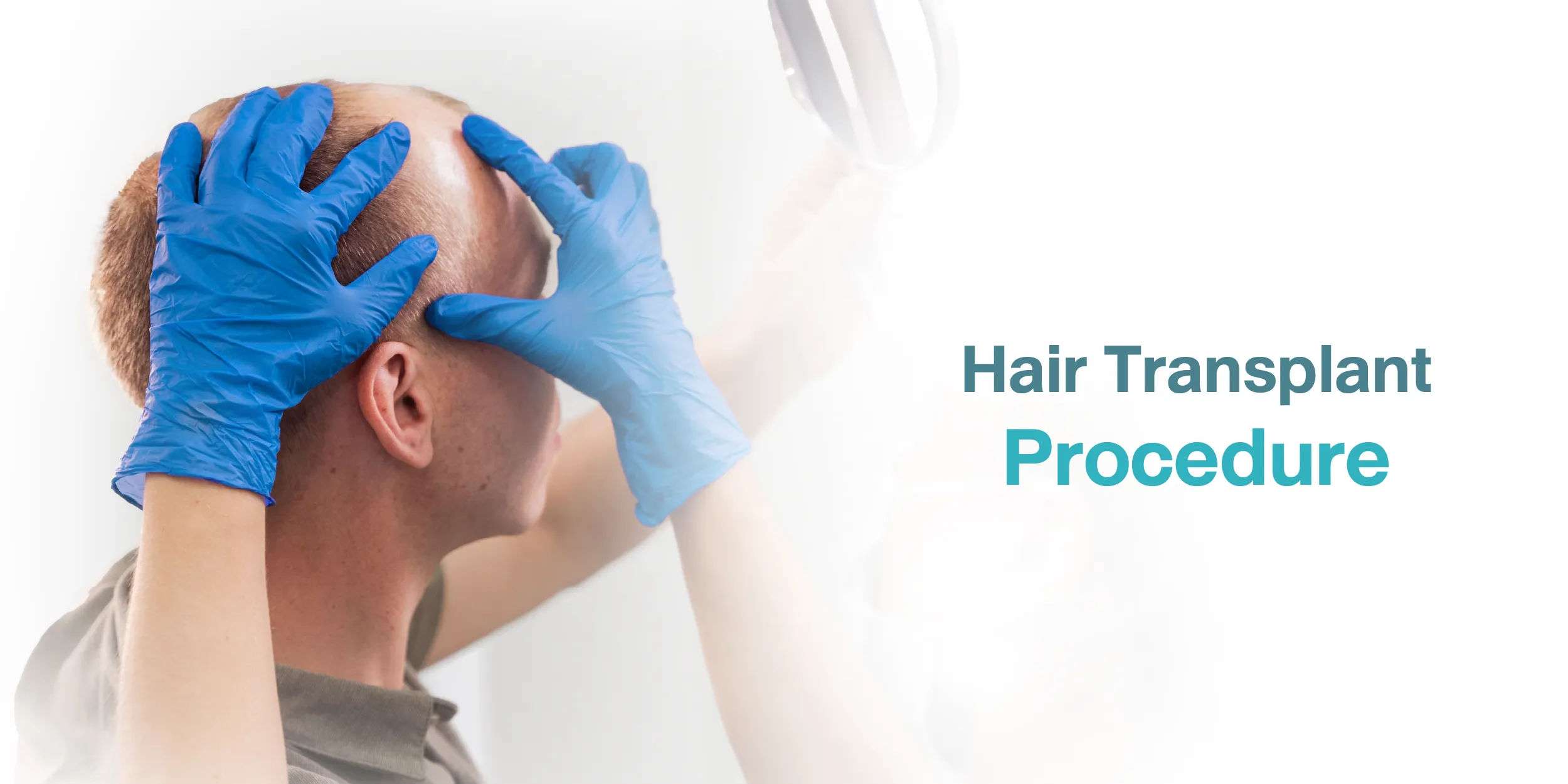
Hair Transplant Procedure
Consultation and Treatment Planning
The process begins with a medical consultation to assess the severity of the condition, whether it involves Baldness or a receding hairline. From there, the doctor will create a personalized Hairline Design tailored to the patient’s facial structure, age, and natural hair direction to ensure the most natural-looking result possible.
Donor Area Preparation and Graft Extraction
The donor area, typically at the back of the scalp, is prepared carefully. This area contains strong hair follicles that are genetically resistant to hair loss.
In the case of an FUE Hair Transplant, the physician uses a specialized micro-instrument to extract hair follicles one graft at a time. This meticulous process preserves graft integrity and minimizes trauma to surrounding tissue.
Graft Implantation
The selected grafts are then implanted into the pre-designed recipient areas. The doctor precisely controls the direction, angle, and depth of each graft to correct a Wide Forehead and refine an Unclear Facial Frame, ensuring a balanced and natural appearance.
Post-Procedure Recovery
Patients can return home on the same day. Small scabs typically dry within 1–2 days. New hair growth becomes more visible around months 3–4 and gradually increases in density as the follicles fully recover.

Post-Transplant Care
To achieve the best results from a Hair Transplant, aftercare is just as important as the procedure itself. Recommended guidelines include:
- First 2 Weeks: Avoid picking or scratching scabs, as newly implanted grafts are still stabilizing and may dislodge.
- Hair Washing: Use a mild shampoo with normal temperature water. Gently pat dry do not rub vigorously.
- Avoid Heat and Sun Exposure: Refrain from saunas or prolonged direct sunlight during the early recovery phase to protect newly transplanted follicles.
Summary
Concerns such as Baldness, a Wide Forehead, or an Unclear Facial Frame are not merely cosmetic issues they directly impact personality and self-confidence. These conditions are often linked to genetics and the effects of the DHT Hormone, which weakens hair follicles, leading to thinning hair, a Receding Hairline, and facial imbalance over time.
Choosing a Hair Transplant is a popular and effective solution not simply to add more hair, but to implement a carefully planned, safe, and long-term corrective strategy. From scalp assessment to customized Hairline Design, modern techniques such as FUE Hair Transplant and DHI offer natural looking results, minimal scarring, and faster recovery.
In particular, restoring the frontal hairline reduces the prominence of a wide forehead and enhances facial definition. Clinics such as DHI Thailand are recognized for delivering international-standard hair restoration services, utilizing specialized techniques and meticulous implantation methods to help patients naturally Boost Confidence once again.