
What is DHI hair transplant?
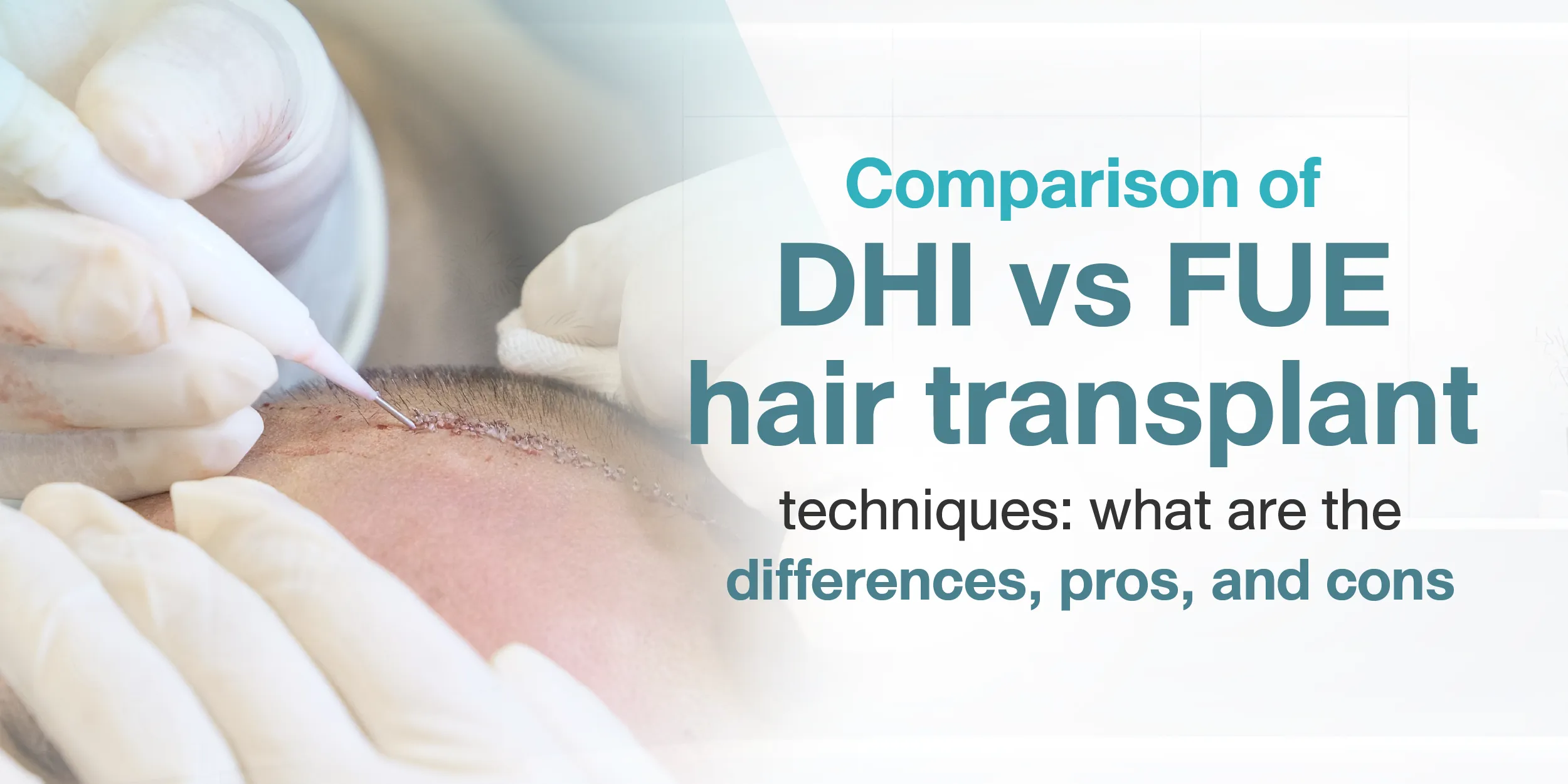
DHI hair transplant is a modern hair restoration technique developed from the FUE method, with a strong focus on precision and natural-looking results. Its key feature is the use of a specialized tool called the DHI Implanter, which allows extracted hair grafts to be implanted directly into the scalp without the need to create pre-made incisions or holes in advance.
This technique is therefore classified as a non-surgical hair transplant, and is often referred to as no-shave hair transplant. It helps reduce tissue trauma, resulting in smaller wounds, less pain, and faster recovery. It is especially suitable for people with early-stage thinning hair and those who are beginning to experience signs of baldness but still want to maintain a natural-looking hairline.
With the ability to precisely control the direction, angle, and depth of each graft, DHI hair transplant creates a well-aligned hair pattern that blends seamlessly with existing hair, delivering more natural results compared to traditional hair transplant techniques.
Advantages
- No need to create incisions or cut the scalp before implantation, reducing tissue trauma, resulting in smaller wounds, less pain, and faster recovery.
- High precision in hair direction control: using the DHI Implanter, doctors can precisely control the angle, depth, and direction of each hair graft, helping create a natural-looking hairline.
- Suitable for people with thinning hair: grafts can be implanted between existing hair without affecting surrounding strands, ideal for those who are not yet in the advanced stage of baldness.
- Reduced graft loss: hair grafts are extracted and implanted immediately, helping maintain follicle strength and increasing survival rate.
Limitations
- Higher cost compared to traditional techniques due to specialized tools and the need for highly experienced medical teams.
- Longer procedure time, as each graft is implanted individually with precision, making the overall operation take longer than other hair transplant methods.
- Requires an experienced hair transplant clinic; if the doctor or team lacks expertise, it may affect density and long-term results.
- Not suitable for all cases, such as individuals with extensive baldness, who may need to combine or consider other techniques for better cost-effectiveness.
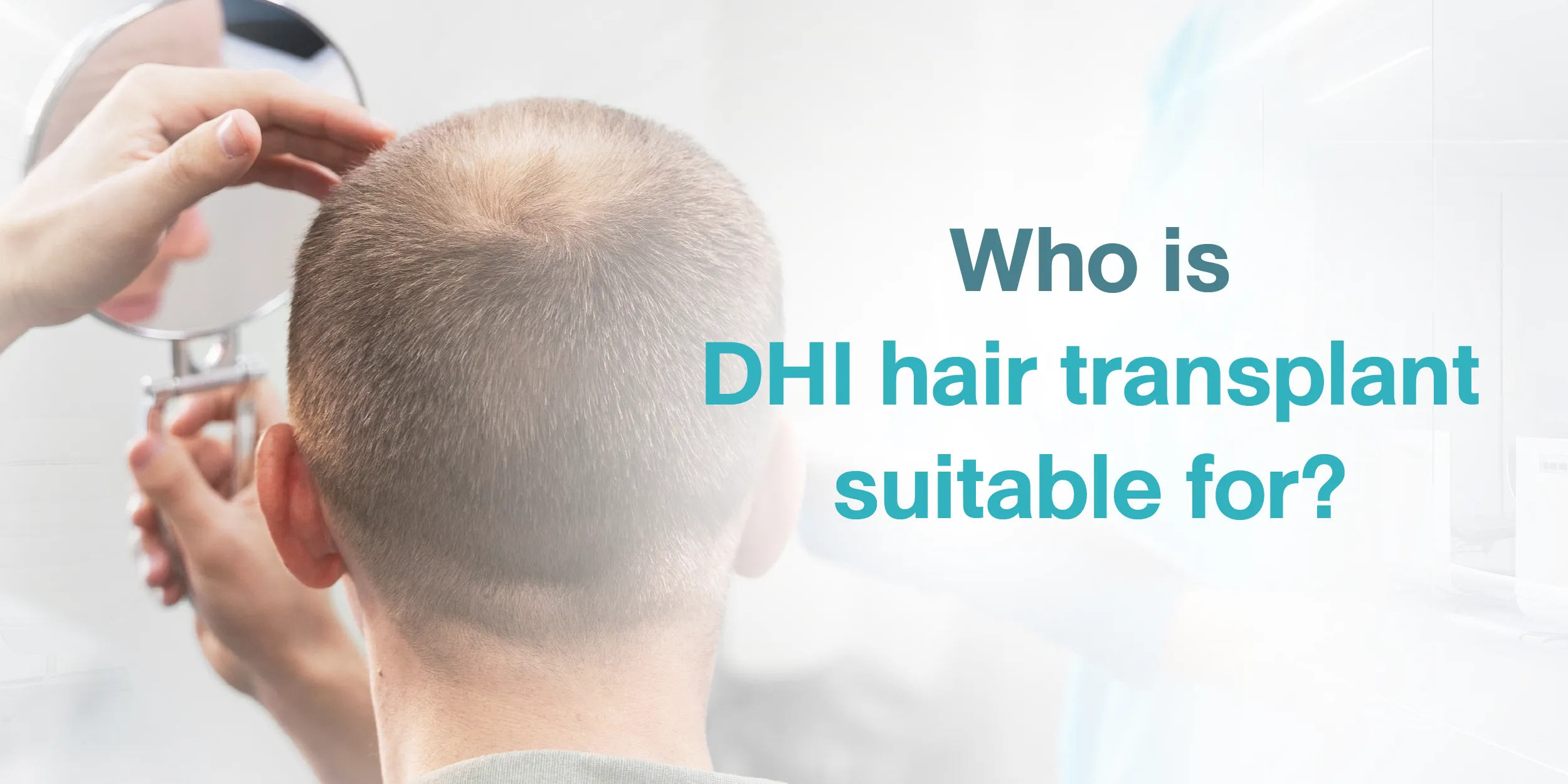
Who is DHI hair transplant suitable for?
People with early to moderate thinning hair
The DHI technique allows precise implantation between existing hair grafts, reducing the risk of damaging current follicles. This helps the hair look naturally thicker and well-blended.
People who are starting to experience baldness, but not yet in widespread areas
It is suitable for designing a new hairline that complements facial structure, helping restore appearance and boost long-term confidence.
People who want a non-surgical hair transplant
Since no pre-incisions are required, the wounds are minimal, pain is reduced, and recovery is faster. It is ideal for those who do not want long downtime or have limited time for recovery.
People who want the most natural-looking results
The use of the DHI Implanter allows doctors to precisely control the angle, direction, and depth of each hair graft, making it especially suitable for areas such as the hairline, forehead, and mid-scalp.
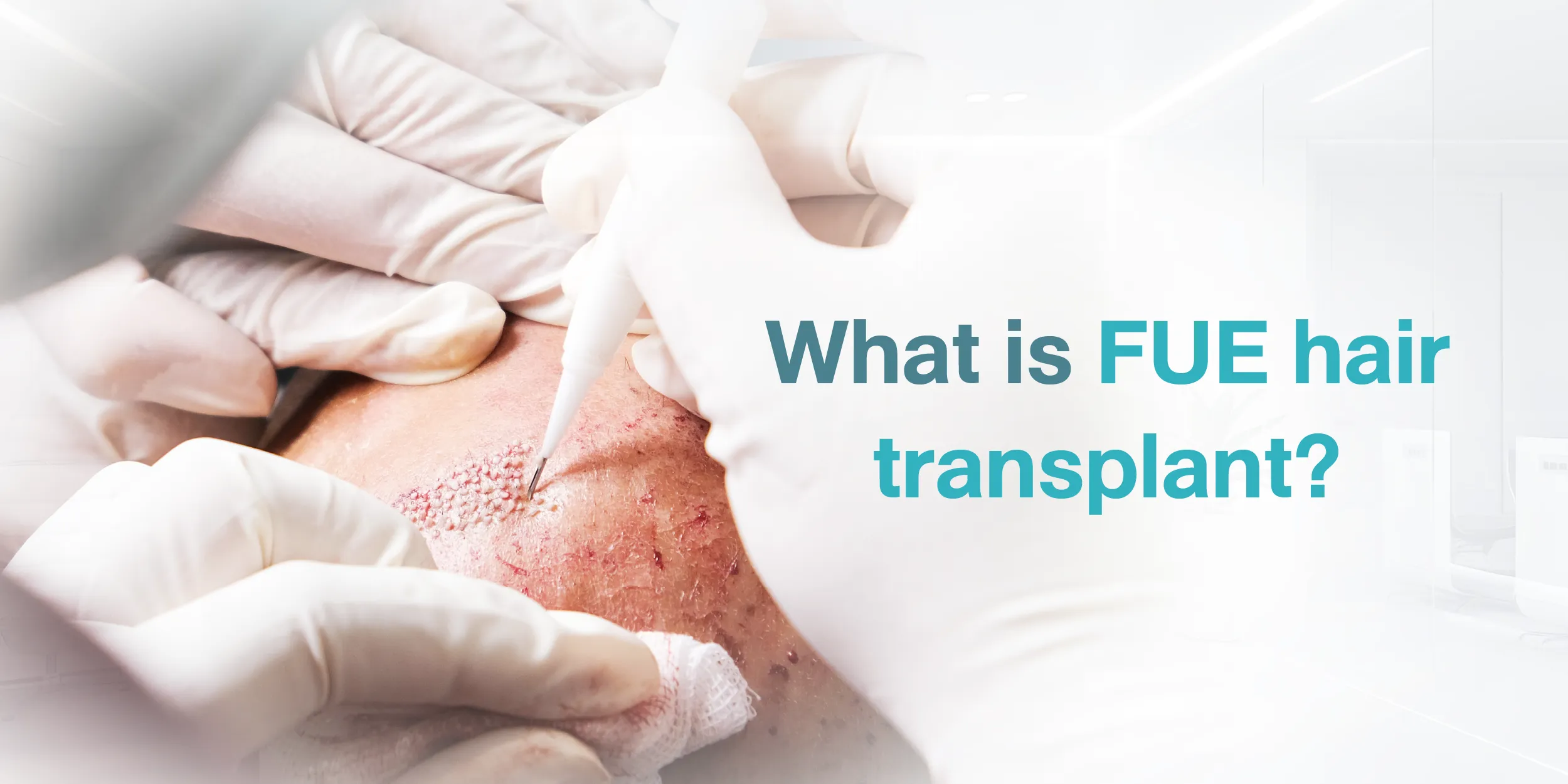
What is FUE hair transplant?
FUE (Follicular Unit Extraction) is a popular hair restoration technique that has been widely used for continuous results. Its key feature is the extraction of hair grafts one by one from the donor area, such as the back or sides of the scalp, and transplanting them into areas affected by thinning hair or baldness. Unlike traditional methods, it does not require removing a strip of scalp, resulting in smaller wounds and significantly reduced visible scarring.
The FUE procedure starts with extracting individual hair grafts, after which the doctor creates small recipient sites on the target area before carefully placing the grafts. This technique is considered a non-surgical hair transplant, suitable for those who want to treat hair loss or baldness without long recovery time.
Advantages
- A non-surgical hair transplant technique with small wounds, lower risk of permanent scarring, and faster recovery.
- Suitable for extensive baldness: can transplant a large number of grafts in a single session, ideal for widespread thinning such as the mid-scalp or crown area.
- Faster procedure time compared to more detailed implantation techniques, as FUE can handle a high number of grafts efficiently.
- A widely accepted standard technique used in many hair transplant clinic practices and commonly applied in hair transplant thailand, offering long-lasting results.
Limitations
- Requires creating recipient sites before implantation; although wounds are small, there are multiple points that require proper post-care.
- Less precise control over hair direction compared to advanced techniques; achieving natural results depends heavily on the experience of the surgeon.
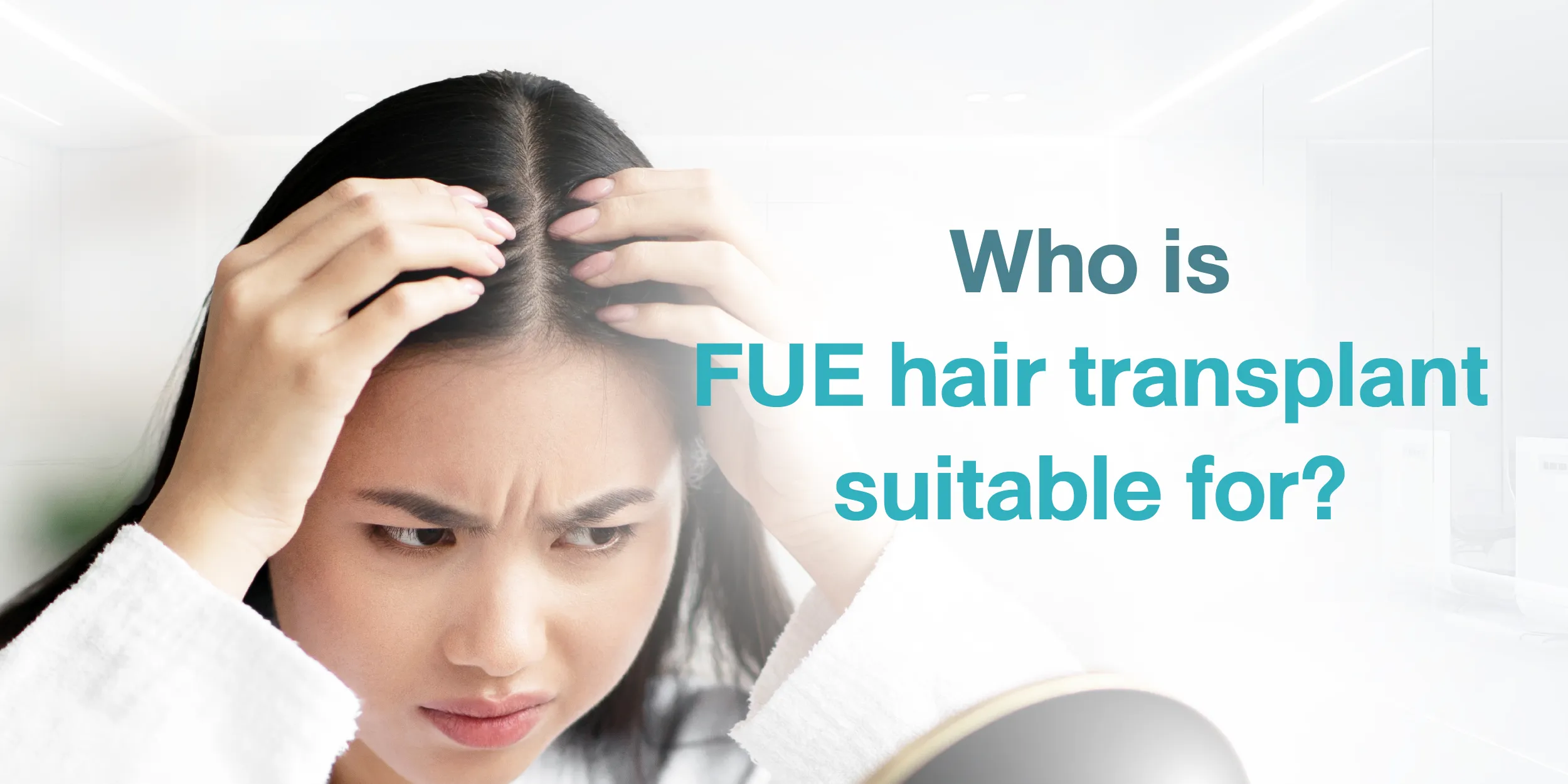
Who is FUE hair transplant suitable for?
People with genetic hair loss or thinning hair
Suitable for those experiencing a receding hairline, a wide forehead, or early-stage baldness on the mid-scalp, which are common patterns of thinning hair. It helps restore a natural-looking hairline.
People with a wide forehead or receding hairline
Ideal for those who want to redesign their hairline to better match facial proportions. The FUE technique offers flexible hairline design while remaining a non-surgical hair transplant option.
People who want minimal scarring
Since FUE does not remove a strip of scalp, it does not leave a large permanent scar. It is suitable for those concerned about visible scarring and recovery appearance.
People who do not want long downtime
Patients can return to daily life relatively quickly after the procedure. It is ideal for those with limited time and who want to treat baldness without long recovery or time off work.
People with traction hair loss or old scars
The FUE technique can precisely transplant hair follicles from healthy areas to affected zones, including targeted areas such as eyebrows, mustache, or beard restoration.

Comparing DHI VS FUE, how are they different?
When it comes to hair transplantation, many people often have questions and make comparisons about the differences between DHI VS FUE, including their advantages, limitations, and suitability. Understanding these differences helps in choosing the most appropriate method based on hair condition, thinning hair or baldness, as well as budget and expected results. Both techniques share a similar principle of hair graft extraction, but they differ significantly in the implantation process and outcomes, as follows.
| Topic | FUE (Follicular Unit Extraction) | DHI (Direct Hair Implantation) |
| Hair implantation tools | Uses a small needle or blade to create recipient sites first, then uses forceps to place grafts | Uses a specialized pen called DHI Implanter (Choi Implanter) to implant hair in a single step |
| Procedure | Two steps: create channels → place grafts | Single step: load grafts → implant immediately |
| Precision | Depends on surgeon’s skill in creating sites and placing grafts | Very high precision; allows control of angle, direction, and depth |
| Density | Standard level of density | Higher density; can implant between existing hair more effectively |
| Graft survival rate | Slightly lower due to longer time outside the body | Higher because grafts are implanted immediately, reducing air exposure |
| Scarring & recovery | Small dot-like scars; recovery around 1–2 days | Very small micro scars; minimal bleeding and faster healing |
| Shaving requirement | Usually requires shaving the donor/recipient area | Often non-shaven (no need to shave) |
| Price | 60,000 – 200,000+ | 80,000 – 280,000+ |
Summary
Choosing between DHI and FUE hair transplant techniques should be based on hair condition, budget, and expected results. For those who want a more natural look, higher density, and faster recovery, the technique using a specialized tool like the DHI Implanter offers greater precision in controlling the angle, direction, and depth of implantation, resulting in a more natural and seamless hairline.
Consulting with an experienced doctor at a reputable hair transplant clinic, such as DHI Thailand, is essential to receive an accurate hair assessment and choose the most suitable treatment. Today, hair transplant in Thailand has become one of the most trusted destinations globally, known for its advanced medical standards, modern technology, and results that meet the expectations of both local and international patients.