What causes dandruff?
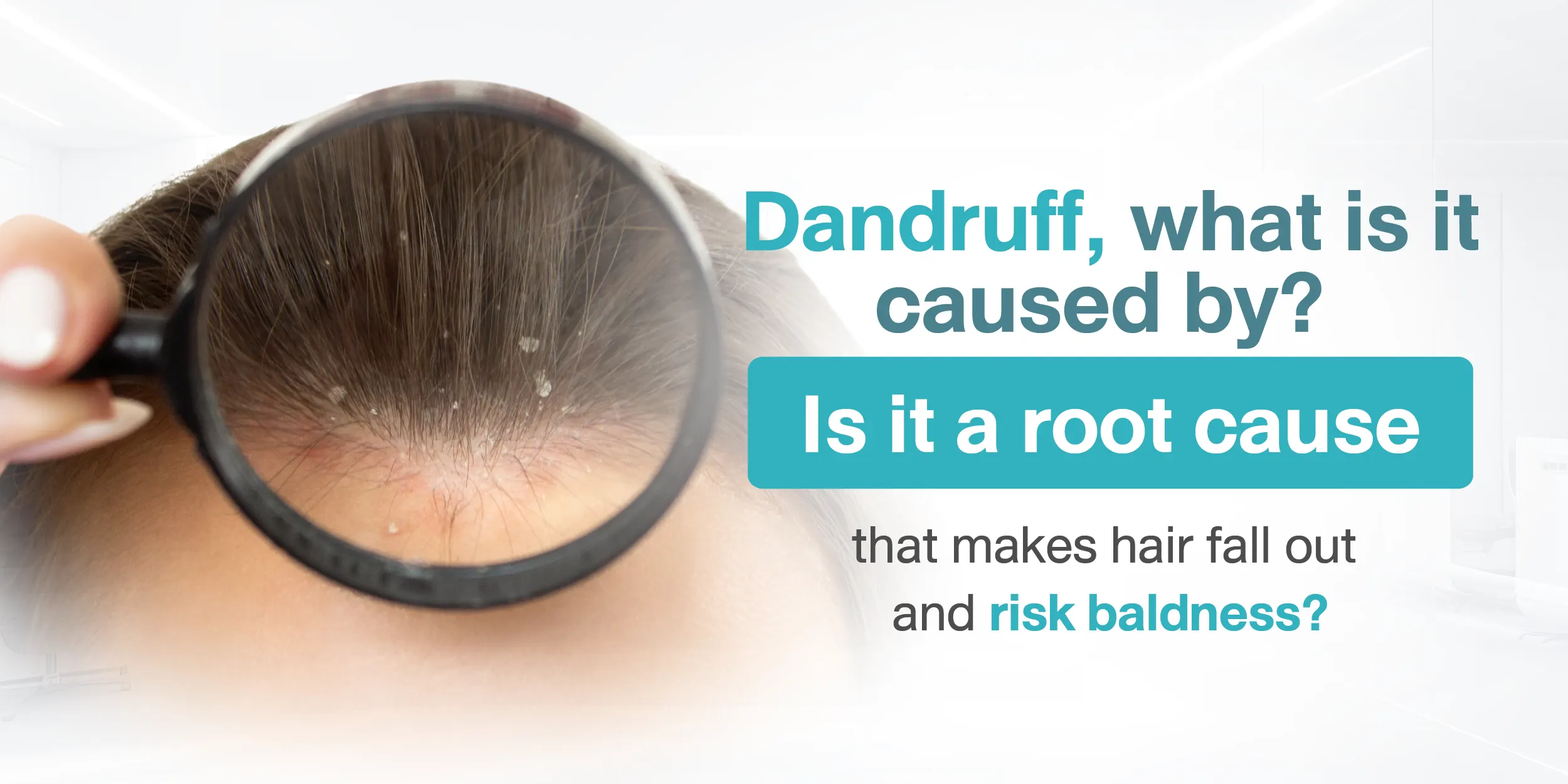
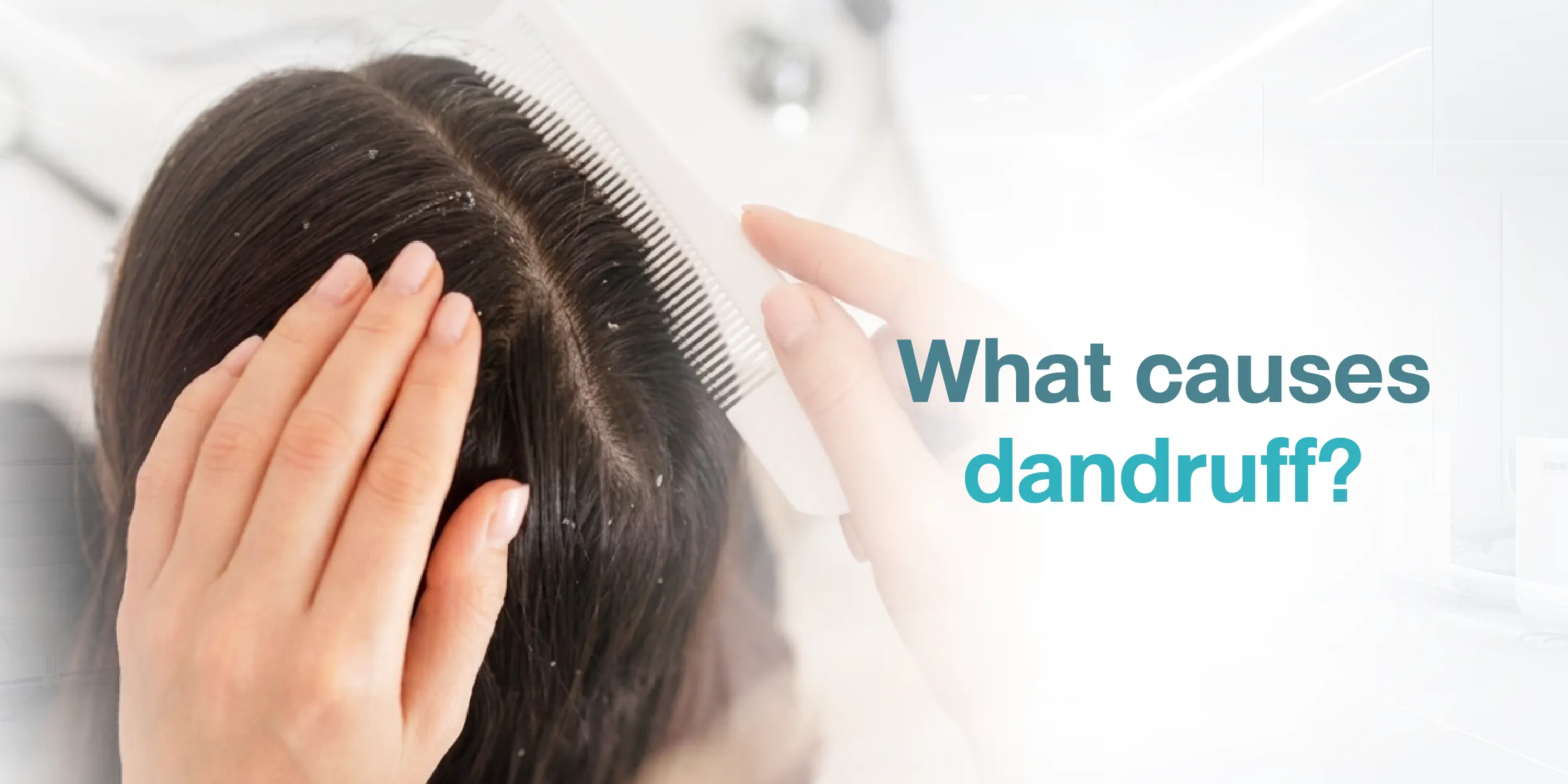
Dandruff is caused by an abnormality in the shedding of skin cells on the scalp. Normally, skin cells are shed naturally, but when this process is disrupted, it results in white flakes or visible dandruff. One of the main causes is a dry scalp, which leads to moisture loss and causes the skin to peel off easily in small flakes. Another contributing factor is fungus on the scalp, especially Malassezia, which can grow excessively and stimulate an abnormally fast skin cell turnover.
In addition, scalp inflammation is another cause, as it leads to itching, redness, and irritation. People with these symptoms often scratch unconsciously, resulting in repeated inflammation and making dandruff more severe. When these factors occur together, they cause visible dandruff and may be a warning sign of an imbalanced scalp condition.
How does hair loss from dandruff affect baldness?
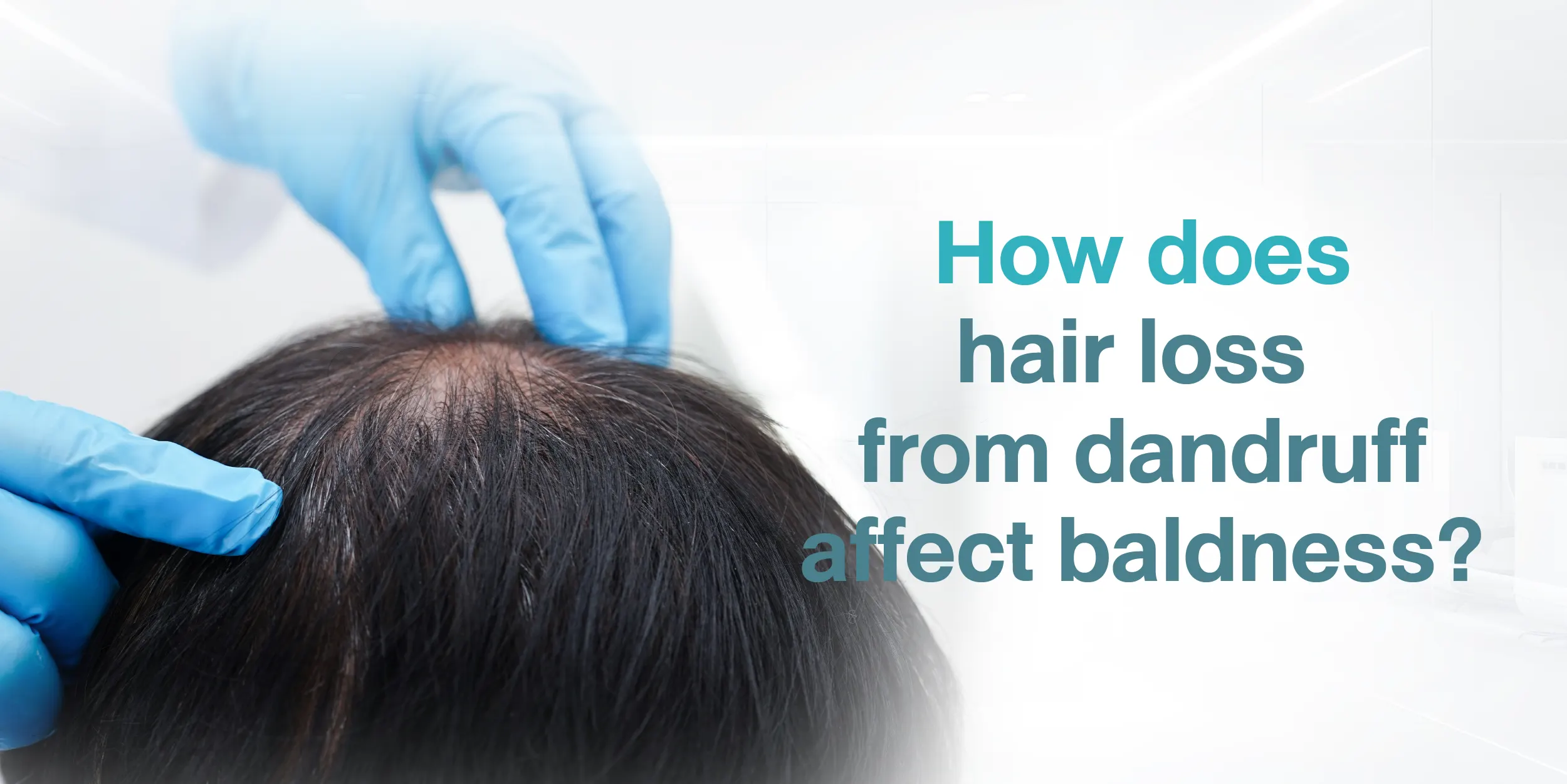
Dandruff may seem like a small problem, but in reality, it can directly affect hair health and may increase the risk of baldness. When dandruff accumulates on the scalp continuously, it often creates an imbalanced skin condition along with irritation or chronic inflammation. This results in an environment that is not suitable for hair root growth, disrupting the hair life cycle and making hair loss occur more easily.
In the early stages, changes may not be clearly noticeable. However, if left untreated for a long time without proper care, the problem can accumulate, leading to thinning hair and a faster progression toward baldness than normal especially in individuals who already have genetic risk factors.
Common characteristics of dandruff
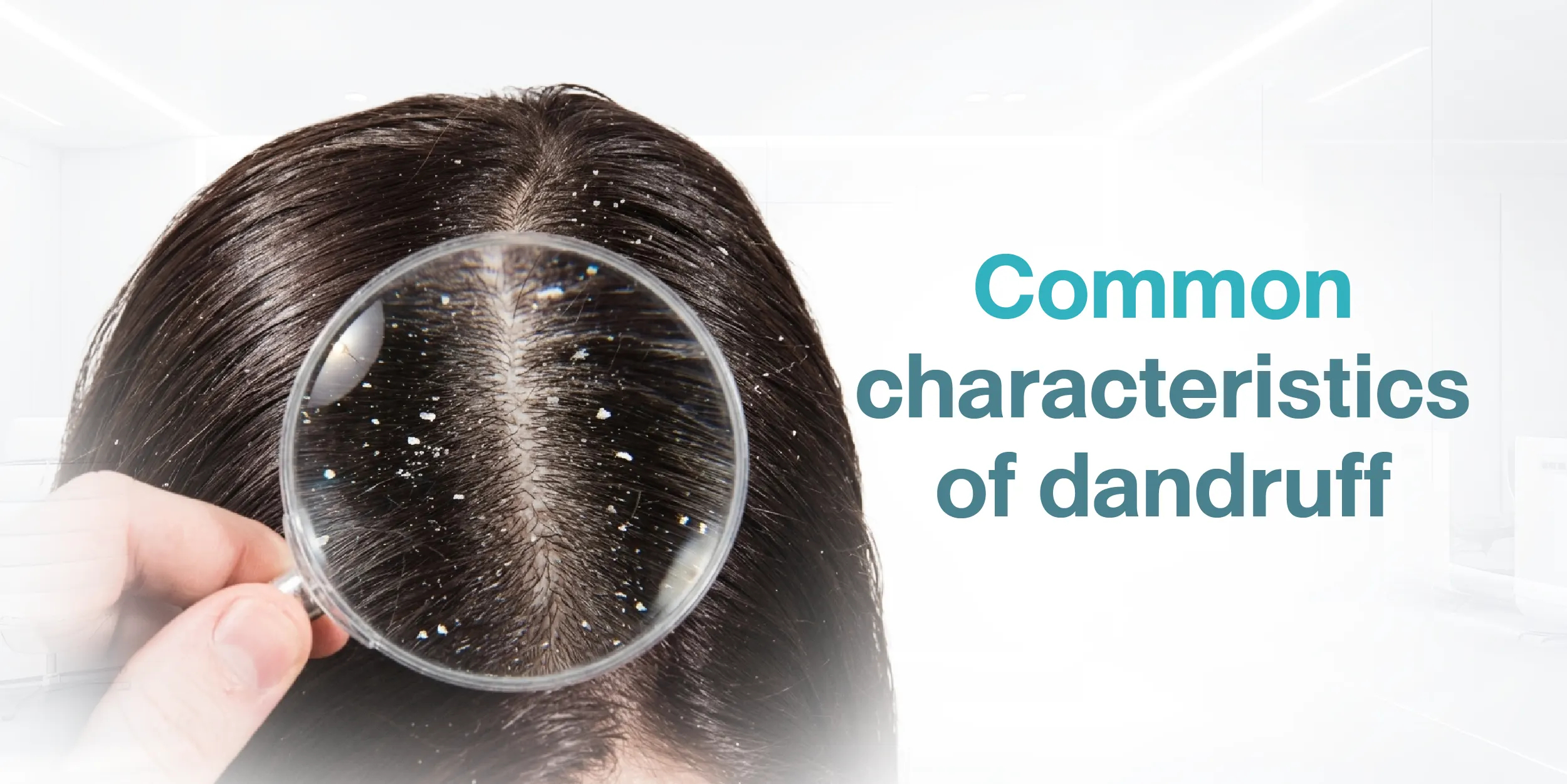
Dandruff often starts with mild symptoms on the scalp that many people may not notice at first. However, if it continues over time, it can affect scalp and hair health in the long term especially for those who already have hair loss or a tendency toward baldness. Common signs of dandruff include the following
-
White or yellow flakes on the scalp
Visible small flakes that stick to the hair or fall onto clothing. This is the most noticeable sign of dandruff and may be the starting point of hair loss if chronic inflammation occurs.
-
Itchy scalp
Often caused by scalp irritation, especially in people with a dry scalp or fungus on the scalp. Frequent itching can trigger hair loss due to unconscious scratching.
-
Abnormally oily or dry scalp
An imbalance of oiliness or dryness can cause dandruff to build up more easily and affect hair root strength, increasing the risk of hair loss and baldness.
-
Tightly adhered dandruff flakes around the hair roots
Especially in cases where inflammation has begun, this may appear as flaky dandruff attached firmly to the scalp.
-
Redness or scalp irritation
This is a sign of scalp inflammation. If left untreated, it can weaken hair roots and increase the chance of baldness.
-
Hair loss occurring together with dandruff
If left for a long time, hair loss may become more noticeable due to inflammation of the hair roots.
Causes of dandruff
-
Dry scalp
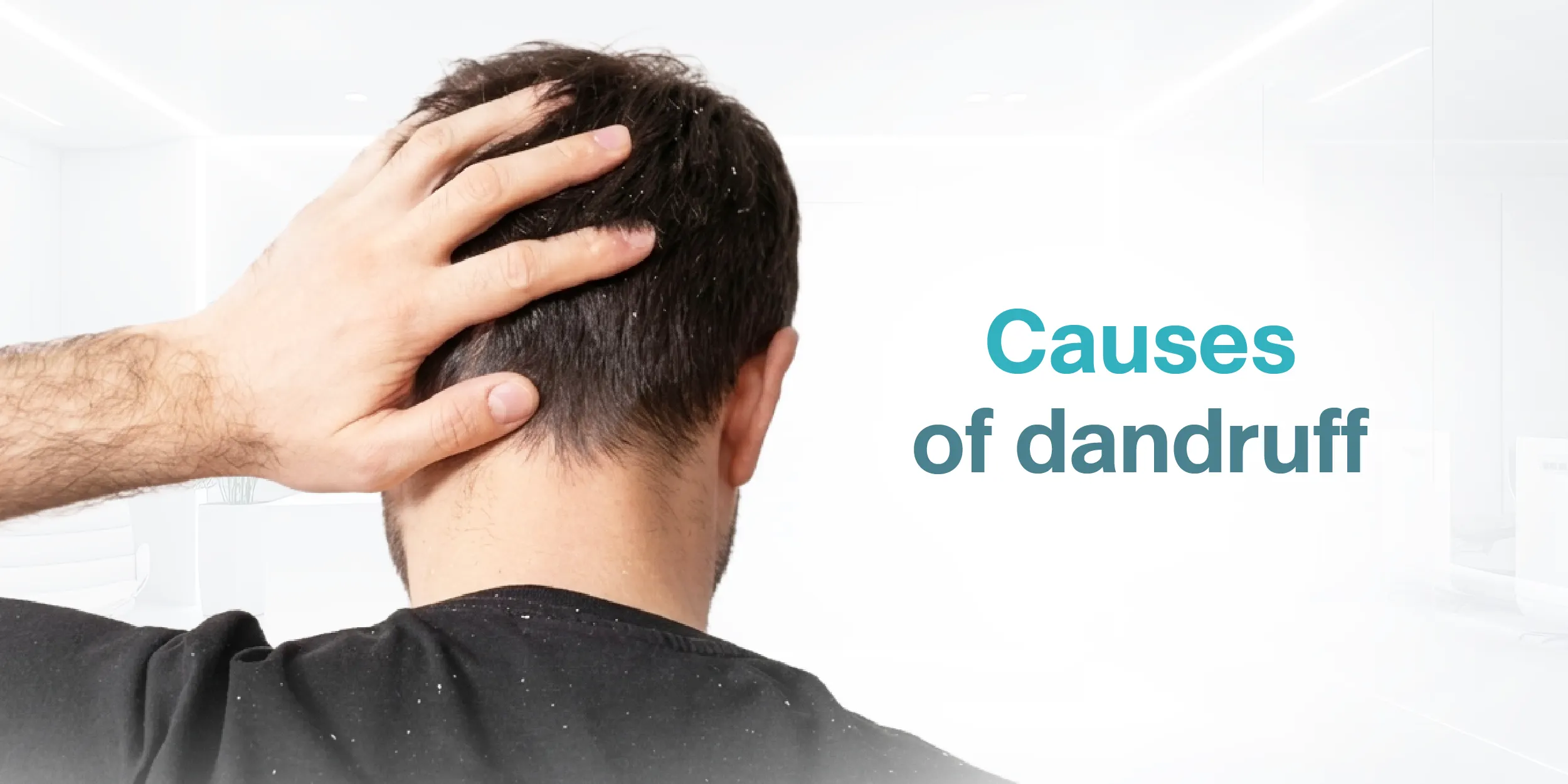
When the scalp lacks moisture, skin cells peel off easily, appearing as white dandruff or flaky white scales. This is often caused by washing hair too frequently, using very warm water, or staying in a dry environment for long periods. These factors can weaken hair roots and lead to hair loss.
-
Fungus on the scalp
The Malassezia fungus naturally exists on the scalp, but excessive growth can trigger abnormally rapid skin cell turnover. This results in visible dandruff that easily recurs and is difficult to control. In some cases, it may be associated with chronic hair loss.
-
Scalp inflammation or irritation
This may be caused by allergic reactions to chemicals in shampoo, hair dye, or harsh styling products. It leads to itching and redness, making dandruff more severe. If left untreated, it can affect hair roots and increase the risk of baldness.
-
Excessively oily scalp
Abnormal sebaceous gland activity causes oil and impurities to build up, leading to thick, sheet-like dandruff that adheres easily to the scalp. This condition is another factor that can trigger hair loss.
-
Stress and hormones
Chronic stress and hormonal changes can disrupt scalp balance, causing dandruff to flare up, recur, or become chronic. These changes may also affect hair cells, resulting in hair loss and potentially baldness.
-
Improper hair care
Practices such as inadequate hair washing, incomplete shampoo rinsing, leaving the scalp damp, or using products unsuitable for the scalp type can all contribute to recurrent dandruff and negatively impact hair root health.
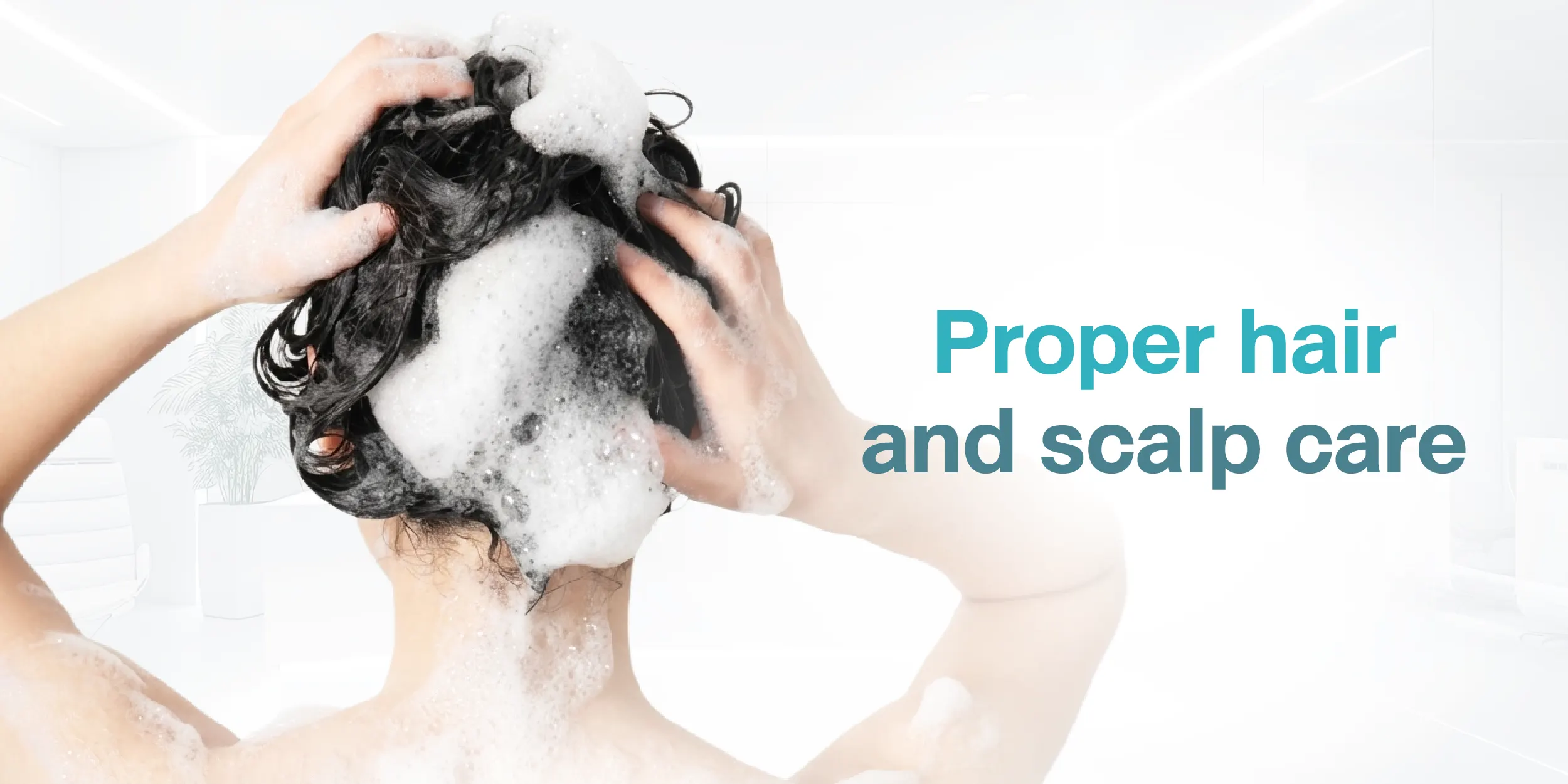
Proper hair and scalp care
Proper hair and scalp care is a fundamental step in reducing dandruff and helping prevent hair loss, especially for people with sensitive scalps or recurring dandruff. If left untreated, these issues may affect hair roots and increase the long-term risk of baldness. You can start with the following basic care practices
-
Choose a shampoo suitable for your scalp
Select a gentle shampoo that is free from harsh irritants and appropriate for your scalp condition. This helps reduce dandruff and scalp irritation. It is recommended to use the shampoo consistently for at least 14–28 days to allow the skin cell renewal cycle to return to normal, reduce flaking, and lower the risk of hair loss caused by chronic inflammation.
-
Wash your hair correctly and regularly
Washing hair too frequently can make the scalp dry and irritated, while washing too infrequently allows oil and fungus to build up. Maintain a balanced routine and allow at least 2–4 weeks to see visible improvement in dandruff. Always rinse shampoo thoroughly to prevent residue buildup, which is a factor contributing to hair loss and baldness.
-
Avoid unnecessary scratching of the scalp
Frequent scratching can inflame the scalp and weaken hair roots, increasing the risk of hair loss.
-
Nourish the scalp regularly
Using scalp serums or tonics can help restore moisture balance. Consistent use for at least one month is recommended to see clear results.
-
Reduce stress and get enough rest
Stress affects hormones and sebaceous gland activity, which are key triggers of dandruff and hair loss. Maintaining regular sleep habits can improve scalp condition and reduce the risk of baldness.

When should you consult a doctor?
Although dandruff is common, it does not always resolve on its own. If it begins to affect long-term scalp and hair health, it may accelerate hair loss and increase the risk of baldness without you realizing it. You should seek evaluation from an experienced hair specialist if you notice the following signs:
- Dandruff persists for more than 2–3 weeks despite changing shampoo or care routines
- Dandruff becomes thick, sticky, or forms sheets that adhere to the scalp
- Clear symptoms of itching, redness, burning, or pain together with dandruff
- Hair loss increases noticeably, hair becomes thinner, or falls out in clumps
- Rapidly receding hairline or patchy thinning along with dandruff, especially in those with a family history of baldness
- Abnormally oily scalp combined with chronic dandruff, which may clog hair follicles and weaken hair roots
If you experience these symptoms, consulting a hair specialist directly is recommended. The medical team at DHI Thailand can help analyze the root causes of dandruff and hair loss in detail and create an appropriate care or treatment plan to slow down the risk of baldness before the condition becomes difficult to manage.
Summary
Dandruff is not just a minor annoyance but a sign that the scalp is becoming imbalanced. If left untreated, especially in cases of flaky dandruff accompanied by itching or inflammation, it can weaken hair roots, cause more frequent hair loss, and accelerate visible baldness without realizing it.
Early and proper care can help reduce long-term risks. However, if symptoms do not improve or begin to affect confidence, consulting a professional hair transplant clinic with expertise in hair and scalp health, such as hair transplant bangkok at DHI Thailand, can help accurately assess the problem and create an appropriate care or treatment plan based on the individual scalp condition before the issue progresses and becomes difficult to correct in the future.