Have you ever experienced an itchy scalp, flaky skin, or a tight, dry feeling after washing your hair and started wondering whether these symptoms are related to hair loss, thinning hair, or could eventually develop into baldness? This concern is not trivial, because scalp health is the foundation of healthy hair. When hair roots are weak, it becomes difficult for hair to grow strong and properly.
A dry scalp is one problem that many people tend to overlook, even though it can affect the strength of hair follicles and make hair fall out more easily. Some people may begin to notice patchy hair loss, a thinner-looking hairline, or areas where the hair appears uneven or missing without realizing it. Although a dry scalp is not a direct cause of baldness, it is a contributing factor that may accelerate or make the signs of hair loss and thinning hair more noticeable.
In this article, we will help you understand what a dry scalp really is, whether it is truly linked to baldness, which warning signs should not be ignored, and how you should take care of yourself early on to prevent the problem from worsening. We will also cover proper hair-care approaches, including how to choose a hair transplant clinic and an experienced medical team, such as American Board certified doctors, which may be another effective option for addressing hair problems in a targeted and worry-free way helping you restore confidence once again.
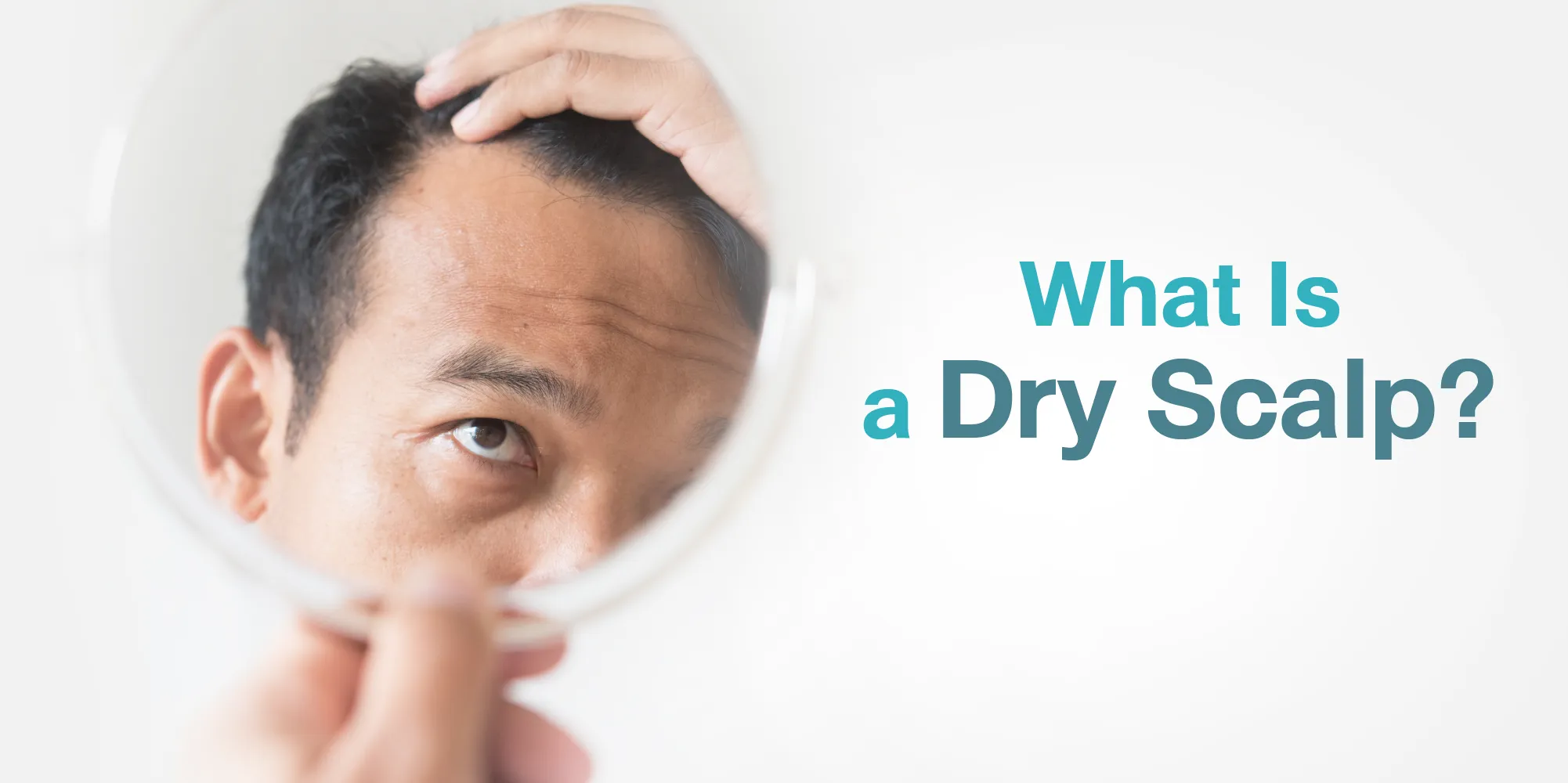
What Is a Dry Scalp?
A dry scalp is a condition in which the skin on the scalp lacks its natural moisture, causing an imbalance of water and oil on the scalp. The natural oils that protect the skin may be washed away too frequently or produced in insufficient amounts. As a result, the scalp may feel tight, dry, and flaky, often accompanied by itchiness. Some people may also experience dry dandruff along with these symptoms. This condition can affect people of all genders and ages and often begins unknowingly due to everyday habits.
Common causes of a dry scalp include washing the hair more often than necessary, using shampoos with harsh cleansing agents, washing with warm or very hot water, as well as exposure to dry weather or spending long periods in air-conditioned environments. In addition, stress, lack of adequate rest, and increasing age which reduces the activity of the oil glands are also significant contributing factors. When the scalp loses its balance, hair roots can become weaker, making hair loss and thinning hair more likely.
Although a dry scalp is not a direct cause of baldness, it is an important contributing factor that can accelerate or make hair-related problems more noticeable. Some individuals may begin to observe patchy hair loss, a visibly thinner hairline, or areas where the hair appears uneven or missing without realizing it. If left untreated or improperly managed, the condition may worsen and eventually affect appearance and self-confidence.
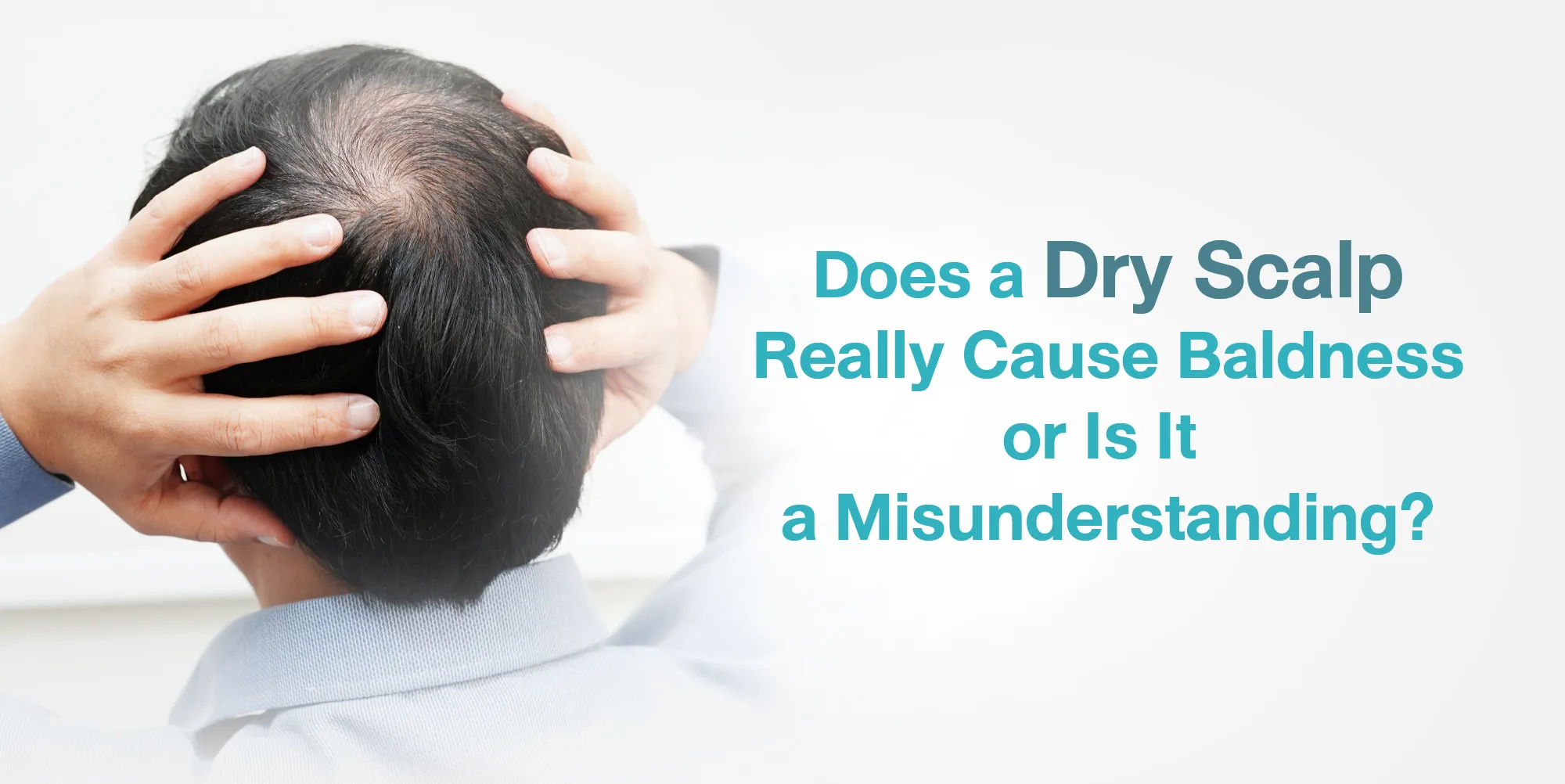
Does a Dry Scalp Really Cause Baldness or Is It a Misunderstanding?
Many people believe that a dry scalp is a direct cause of baldness, but in reality, this belief is not entirely accurate. The correct understanding is that a dry scalp is not the direct cause of baldness; rather, it acts as a contributing factor that increases the risk of hair loss and thinning hair, causing hair problems to become more severe more quickly than usual.
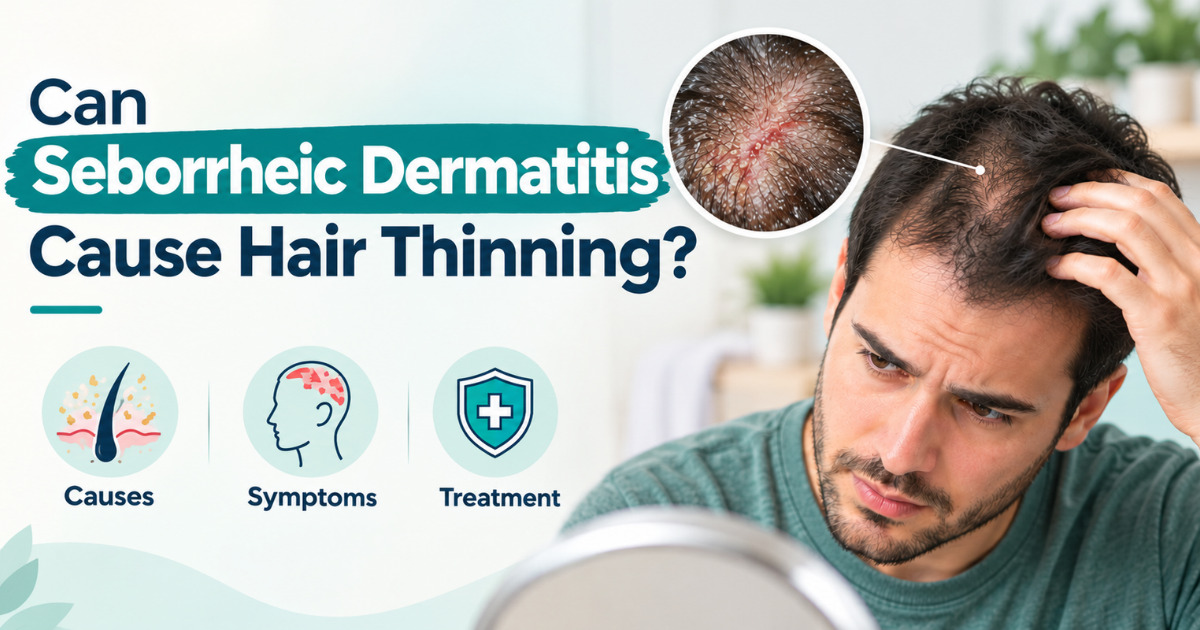
Naturally, every strand of hair depends on a healthy scalp with adequate moisture and good blood circulation to keep hair roots firmly anchored. When a dry scalp occurs, the skin’s balance is disrupted. The scalp may experience irritation or mild, chronic inflammation that is not visible to the naked eye. As a result, hair roots become weaker, the hair growth cycle shortens, hair falls out more easily, and new hair that grows back is thinner and weaker than before. This is why many people with a dry scalp begin to feel that they are experiencing more hair loss and thinning than normal.
For individuals who already have a genetic predisposition to baldness, a dry scalp can act as an accelerator, causing the problem to appear more clearly and progress faster. Some may start to notice a receding hairline, localized thinning, or unusually excessive hair shedding. Therefore, although a dry scalp is not the main cause of baldness, it is an important warning sign that should not be overlooked.
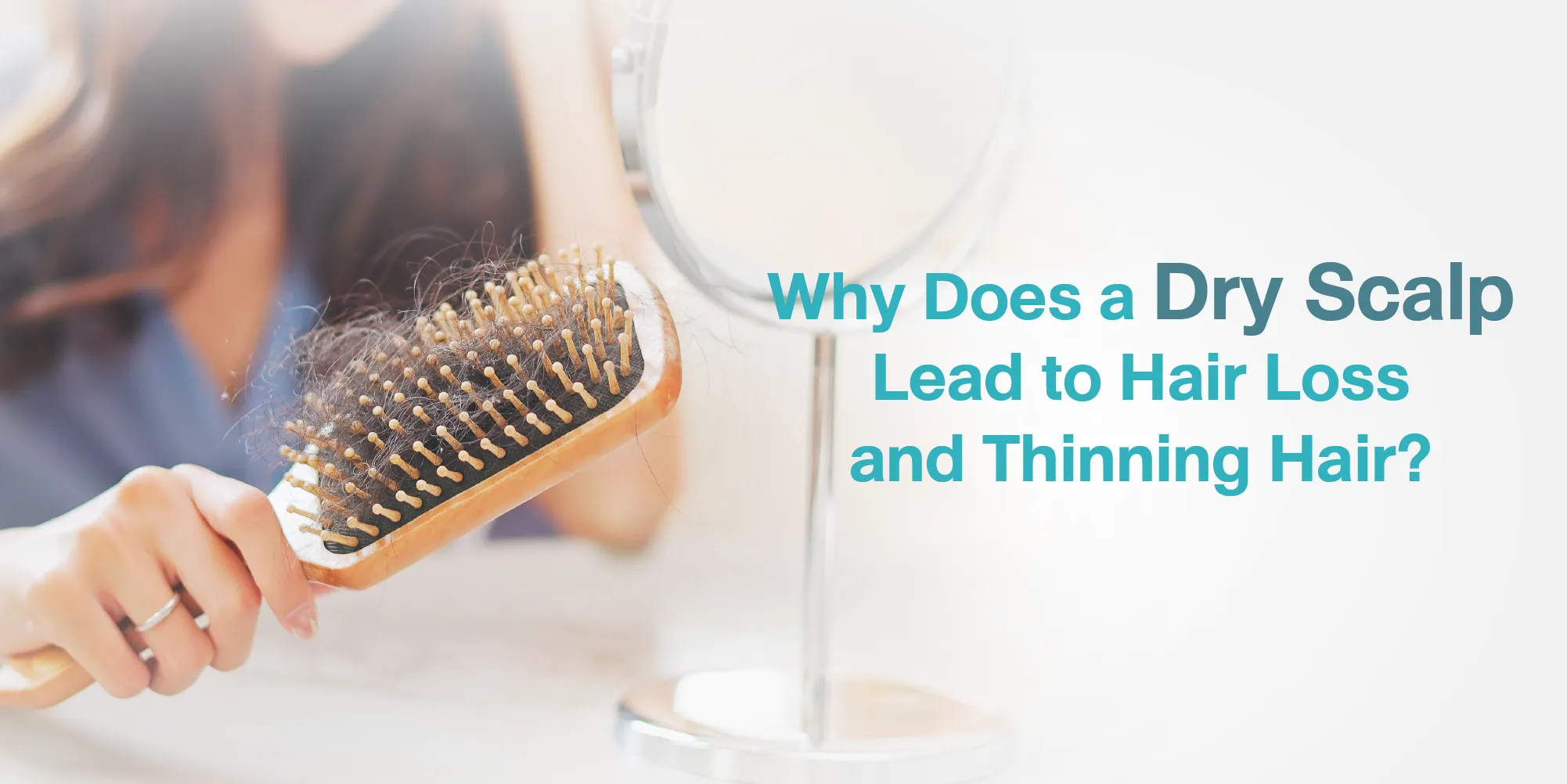
Why Does a Dry Scalp Lead to Hair Loss and Thinning Hair?
Under normal conditions, a healthy scalp should have adequate moisture and good blood circulation, allowing hair roots to remain firmly anchored and produce new hair according to the natural hair growth cycle.
When a dry scalp occurs, the skin’s balance begins to break down. The scalp loses its natural protective barrier, becoming more sensitive to irritation and prone to subtle, cumulative inflammation without obvious symptoms. These conditions reduce blood circulation to the hair follicles, meaning the roots receive less oxygen and fewer nutrients than they need.
When hair follicles are not properly nourished, their structure weakens and they can no longer hold onto hair strands as securely as before. This results in hair loss and thinning hair, with strands falling out more easily and new hair growing back finer, thinner, and weaker. If this condition continues without proper care, a dry scalp can become a significant factor that accelerates the severity of hair problems, leading to unsatisfactory outcomes such as frequent scalp itchiness, changes in appearance, and reduced self-confidence.

Warning Signs That Your Scalp Is Affecting Your Hair
If you have a dry scalp along with the following symptoms, it’s time to pay closer attention, as they may indicate that your hair roots are being affected:
- Excessive hair shedding while washing or combing, especially when it occurs daily and does not improve even after changing hair-care products
- Noticeably finer and thinner hair, with reduced volume and difficulty styling common signs of hair loss and thinning hair
- A receding hairline or visible uneven or missing hair areas around the forehead or crown
- Localized thinning or patchy hair loss, suggesting that certain hair follicles are weaker than normal
- An itchy, burning, red, or easily irritated scalp even without using new products
These symptoms are warning signs that the scalp may be out of balance and hair roots are becoming weak. If left untreated, hair loss and thinning hair can worsen and increase the long-term risk of baldness. In many cases, addressing the issue requires more than simply changing shampoos. Consulting a medical professional early before the problem progresses further is an important step that should not be delayed.
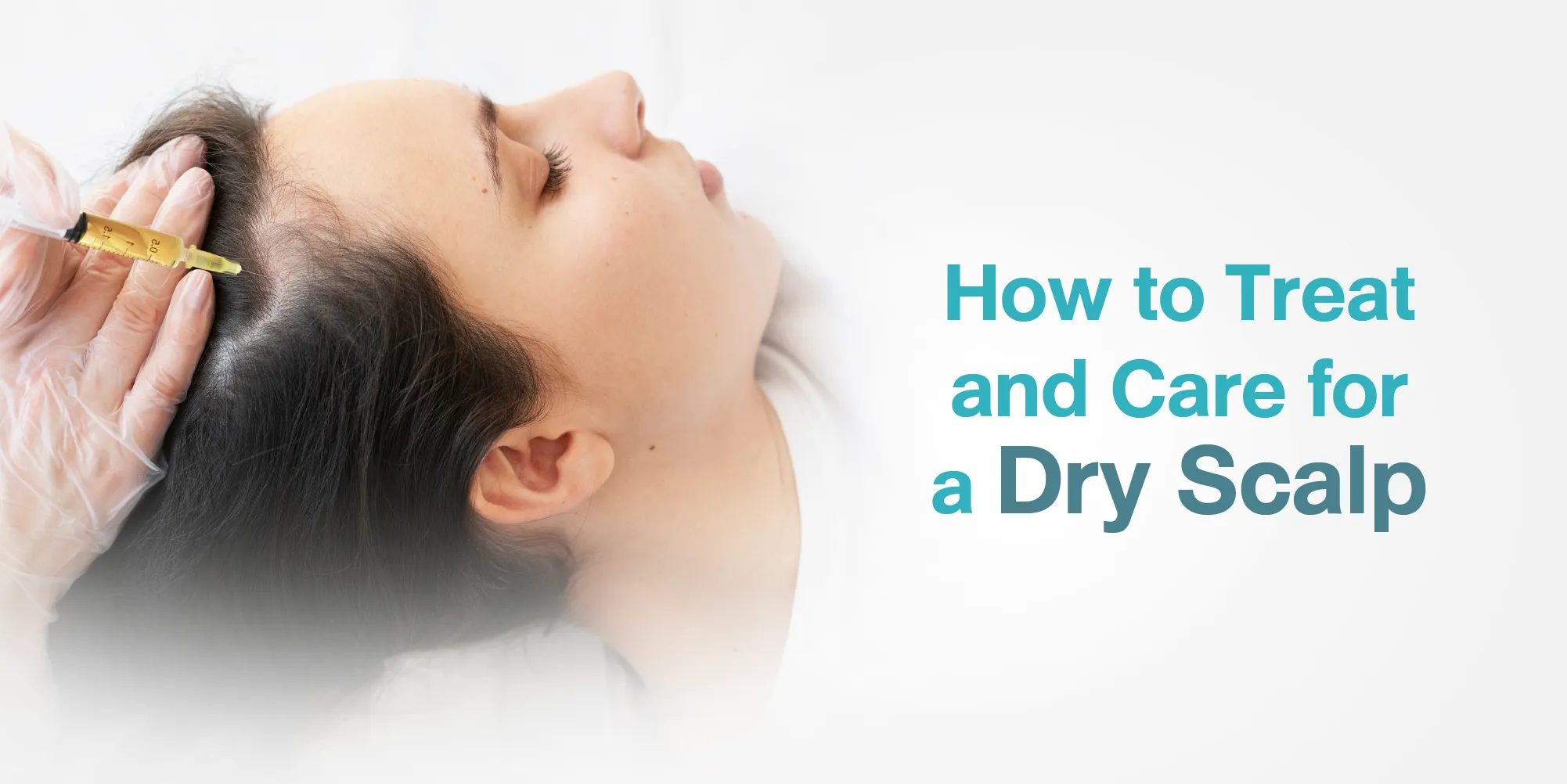
How to Treat and Care for a Dry Scalp
Adjust Daily Habits
Start by reviewing your daily routines, as they are often the main contributors to a dry scalp. Avoid washing your hair every day unless necessary, use room-temperature water instead of very hot water, and choose gentle, sulfate-free shampoos to reduce the stripping of natural oils from the scalp. These small habit changes can help minimize irritation and slow down hair loss and thinning hair.
Restore Scalp Moisture
Use skincare products specifically designed for the scalp, and avoid products with high alcohol content to help restore the skin’s natural balance. In cases where hair loss occurs alongside a dry scalp, doctors may consider supportive treatment options such as PRP Treatment or Growth Factor Concentrate to help condition the hair roots before further treatment. At DHI Thailand, these options are evaluated on an individual basis by medical professionals.
Reduce Irritation Triggers
Avoid aggressive scratching, excessive use of hot hair dryers, and chemical treatments, as these can increase cumulative inflammation and further weaken hair roots. If thinning hairlines or localized problem areas become noticeable, it is important to consult a doctor promptly for proper guidance and early treatment before the condition progresses into more severe issues such as baldness or significant hair loss and thinning hair.
Care from the Inside Out
Get adequate rest, manage stress, and consume a balanced diet that supports hair follicle stimulation, because healthy hair always starts from within. If the condition progresses to baldness or severe thinning where the scalp becomes clearly visible, consulting a hair transplant clinic for a professional medical evaluation and treatment planning may be the next appropriate step to address the root cause through proper medical processes.
How to Choose a Hair Transplant Clinic and Medical Team
Deciding to undergo a hair transplant requires careful consideration of time, budget, and expected results. Hair is not just about appearance it directly affects personal image and self-confidence. For this reason, choosing a hair transplant clinic and medical team should not be based solely on price, promotions, or before-and-after photos. Instead, you should evaluate medical standards, treatment philosophy, and attention to detail throughout the entire care process.
- Choose a hair transplant clinic that is properly licensed, meets medical standards, maintains a clean and safe environment, and uses certified medical equipment to ensure safety at every stage of treatment.
- Pay close attention to the medical team. The doctors should have specific experience in hair and scalp conditions and be able to clearly explain the treatment plan, procedures, and realistic outcomes without rushing decisions or making exaggerated promises.
- Having certified physicians, such as American Board certified doctors, is another factor that enhances credibility and reflects high standards of medical knowledge and professional ethics.
- A reputable clinic should conduct a thorough pre-treatment evaluation. Rather than recommending a transplant immediately, the team should analyze the cause of hair loss, scalp condition, and hair density in order to select the most appropriate approach for each individual.
- Post-treatment care is equally important. A good clinic will provide follow-up appointments, clear aftercare guidance, and long-term support to address any questions or concerns that may arise.
Summary
A dry scalp may not be a direct cause of baldness, but it is an important warning sign that should not be ignored. When the scalp becomes imbalanced, lacks moisture, or develops chronic irritation, hair roots can weaken creating an environment where hair loss and thinning hair occur more easily and more visibly than many people expect. This is especially true for individuals with a genetic predisposition, where the problem may progress faster and become more severe without obvious early signs.
Starting proper care today whether by adjusting daily habits, choosing products suited to your scalp condition, or avoiding triggers that cause dryness and irritation is a long-term investment in hair health. These steps help reduce the risk of the problem worsening and becoming difficult to treat. Most importantly, correct care not only helps slow down hair loss and thinning hair, but also helps restore confidence in everyday life. Additionally, selecting a certified hair transplant clinic with experienced professionals such as American Board certified doctors and seeking consultation at DHI Thailand can provide clearer guidance and a more structured approach to effective hair treatment.