What Causes Baldness, Hair Loss, and Thinning Hair?
The problem of baldness and hair loss, thinning hair is caused by multiple factors combined. There is not just one single cause, and it does not occur in the same way for everyone. The most common main causes are genetics and hormones, especially the DHT hormone, which causes hair follicles to gradually shrink. Newly grown hair becomes thinner and falls out more easily, eventually developing into baldness. In addition, stress, insufficient rest, nutritional deficiencies, as well as improper hair-care behaviors such as frequent chemical treatments or constant hair pulling, all accelerate hair loss, thinning hair.
In women, hair loss problems are often related to hormonal changes, such as after childbirth, during menopause, or from the use of certain medications. These factors disrupt the hair growth cycle, causing hair to shed more than normal and regrow more slowly. If left unaddressed for a long time, this may lead to a permanent reduction in hair density. Therefore, understanding the causes of baldness and hair loss, thinning hair is an important starting point before planning treatment, whether it is basic care or considering options such as women hair transplant or men’s hair transplant that are appropriate for each individual.
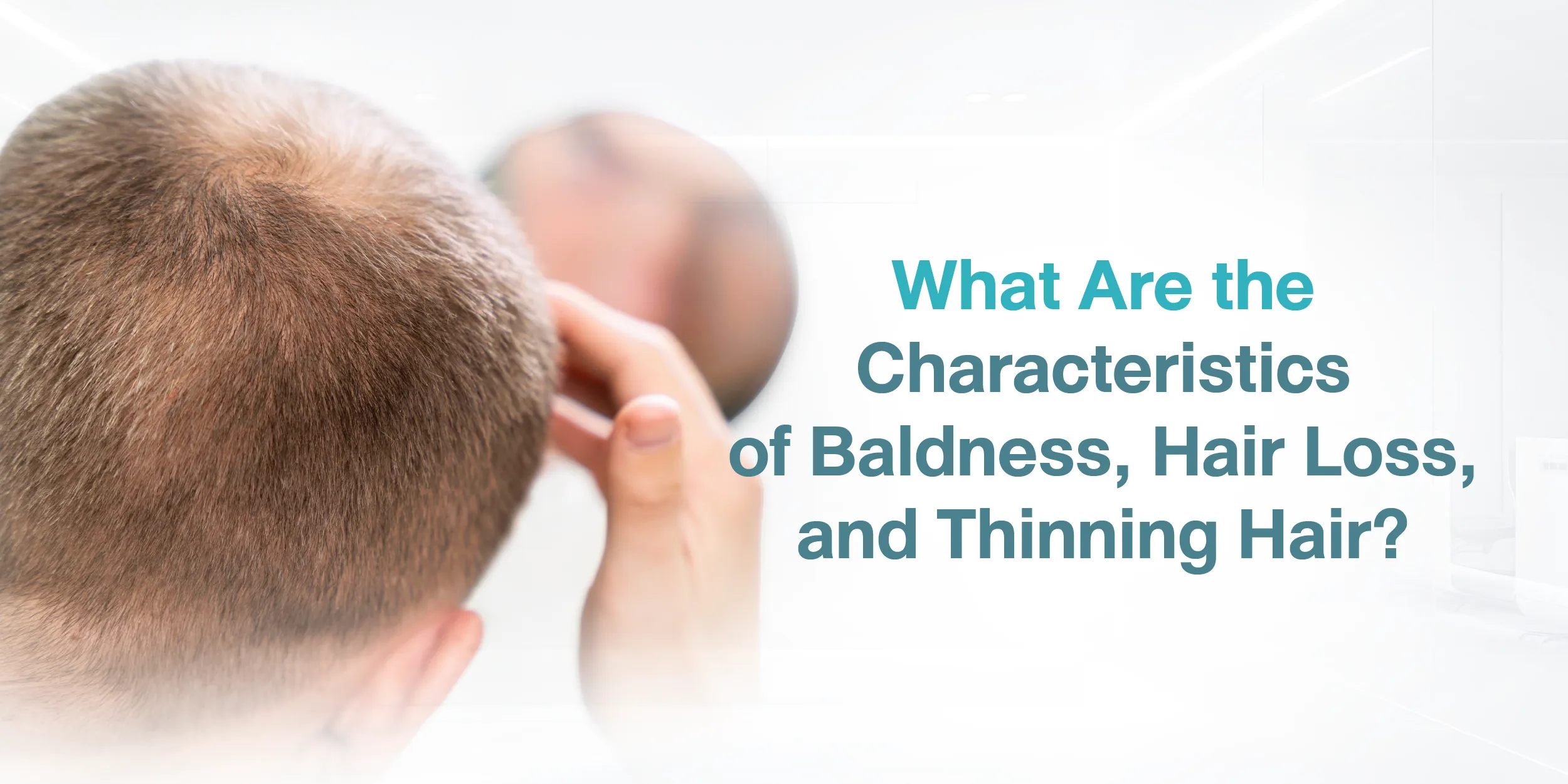
What Are the Characteristics of Baldness, Hair Loss, and Thinning Hair?
Characteristics in Men
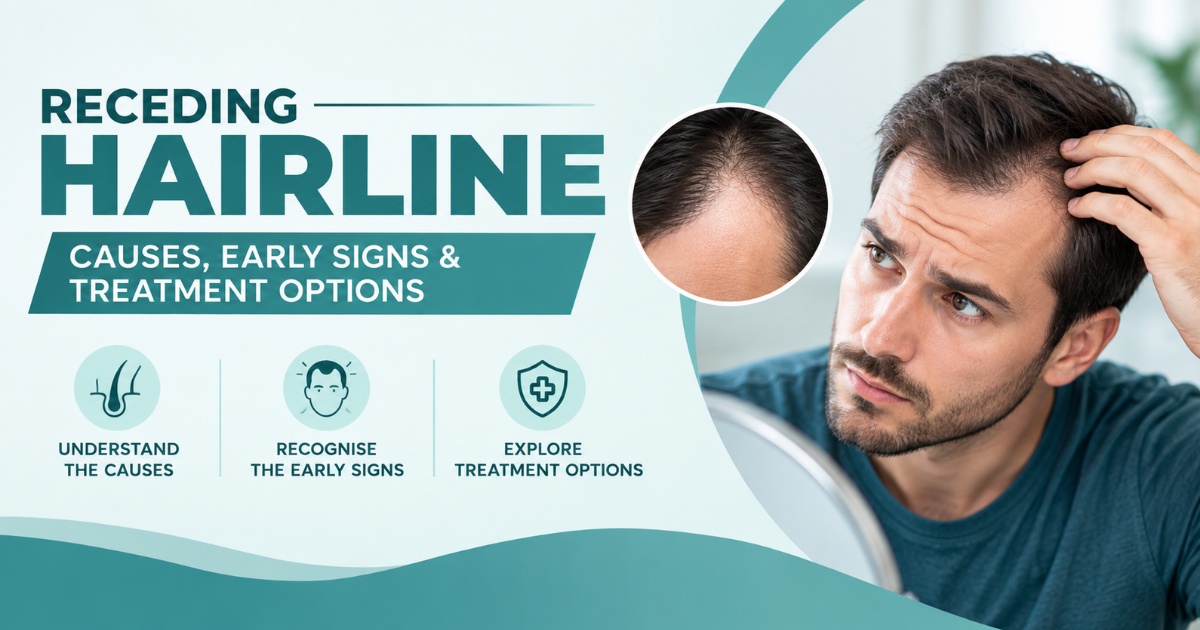
- There is a tendency to develop baldness in clearly defined areas, such as a receding front hairline forming an M shape.
- Hair loss occurs at the crown area, making the scalp more easily visible.
- Hair gradually becomes thinner in specific areas and develops into permanent baldness.
- Symptoms often begin at a young age if there is genetic hair loss.
Characteristics in Women
- Hair loss, thinning hair appears diffusely across the entire scalp, not in clearly defined patches.
- The hair part becomes wider, hair strands become weaker, and individual hairs become finer.
- The scalp becomes more visible, especially around the central part of the head.
- Generally, baldness does not occur in distinct patches like in men.

Why Do Men and Women Experience Hair Loss Differently?
The main cause of hair loss problems is genetic hair loss, which directly affects the structure of hair follicles. Men are often influenced by the DHT hormone, causing hair follicles to gradually shrink and result in permanent hair loss. In contrast, although women may also have genetic factors, female hormones help slow down follicle shrinkage, so distinct bald patches are less common.
For women, thinning hair in women is often caused by multiple factors combined, such as hormonal changes, stress, insufficient rest, postpartum conditions, or increasing age. These factors result in diffuse thinning across the scalp rather than baldness in specific spots. As a result, modern medical techniques and hair transplant surgery are increasingly used to address hair loss on an individualized basis.
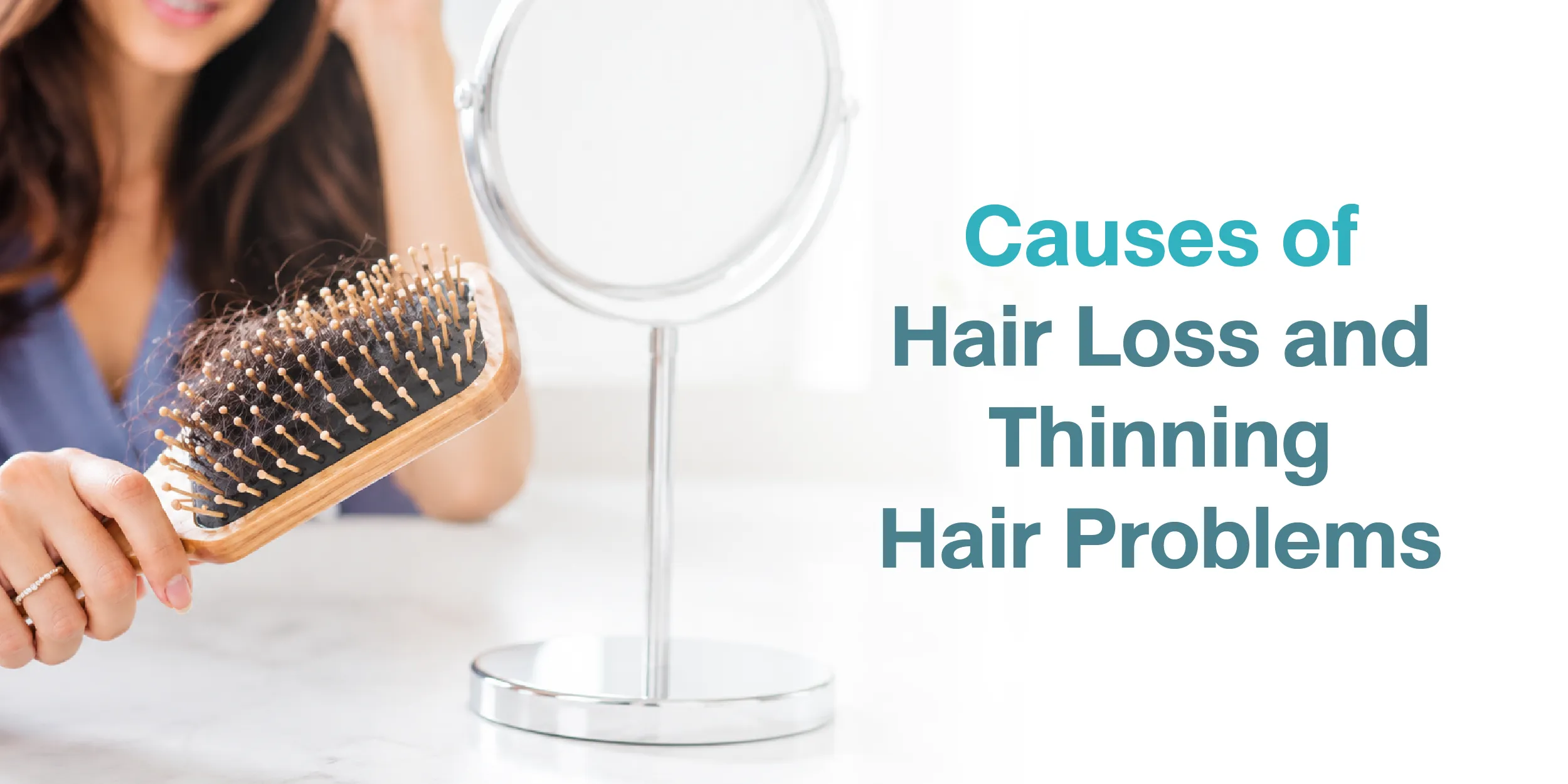
Causes of Hair Loss and Thinning Hair Problems
Hair loss and thinning hair do not happen suddenly, but are the result of accumulated factors that affect the strength of hair follicles and the hair growth cycle. If the root causes are not understood and proper care is not taken, the problem may worsen, causing visibly thinner hair or eventually developing into baldness. Knowing what causes hair loss is an important step before choosing a treatment approach. The main causes of hair loss and thinning hair include:
- Genetics and hormones: Hair follicles are sensitive to the DHT hormone, causing hair to gradually become thinner, fall out more easily, and regrow less.
- Stress and insufficient rest: Accumulated stress disrupts the hair growth cycle, leading to more hair shedding than normal.
- Nutritional deficiencies: Inadequate intake of protein, vitamins, and minerals weakens hair strands, making them prone to breakage and hair loss.
- Hormonal changes: Commonly found in thinning hair in women after childbirth, during menopause, or from the use of certain medications.
- Improper hair-care habits: Such as frequent chemical treatments, excessive heat styling, or regularly tying hair too tightly.
- Poor scalp health: Scalp inflammation, clogged follicles, or excess oil weaken hair roots and cause hair to fall out more easily.

Men vs Women: Who Is at Higher Risk?
Men: Higher risk of permanent hair loss in men and baldness
Men who have a family history of hair loss or baldness are at higher risk. Common characteristics include hair loss in specific areas, such as a receding front hairline forming an M shape, or baldness at the crown of the head. Over time, hair follicles in these areas gradually shrink. If left untreated for a long period, the hair will not be able to regrow on its own and will eventually become permanent baldness.
However, an advantage for men is that their hair structure is often more suitable for treatment with hair transplantation. This is because bald areas are clearly defined, and the back of the head usually provides a strong donor area for hair grafts. With proper treatment planning and the right technique, results are often clearly noticeable and can be maintained long term.
Women: Less likely to be bald, but at higher risk of overall hair loss and thinning hair
Thinning hair in women is often clearly noticeable. The main issue is usually not baldness in distinct patches like in men, but rather hair loss and thinning hair distributed across the entire scalp. This makes the hair look thinner overall, widens the hair part, causes hair to become flat and weak, and makes styling more difficult. Even if baldness is not clearly visible, the impact on confidence can accumulate and become more severe over time.
Treatment for thinning hair in women focuses on increasing hair density without damaging existing hair, as well as avoiding shaving the hair, which may affect outward appearance. It requires delicate techniques, precise control of hair direction, and experienced specialists to ensure results look natural and align with each woman’s individual hair structure.
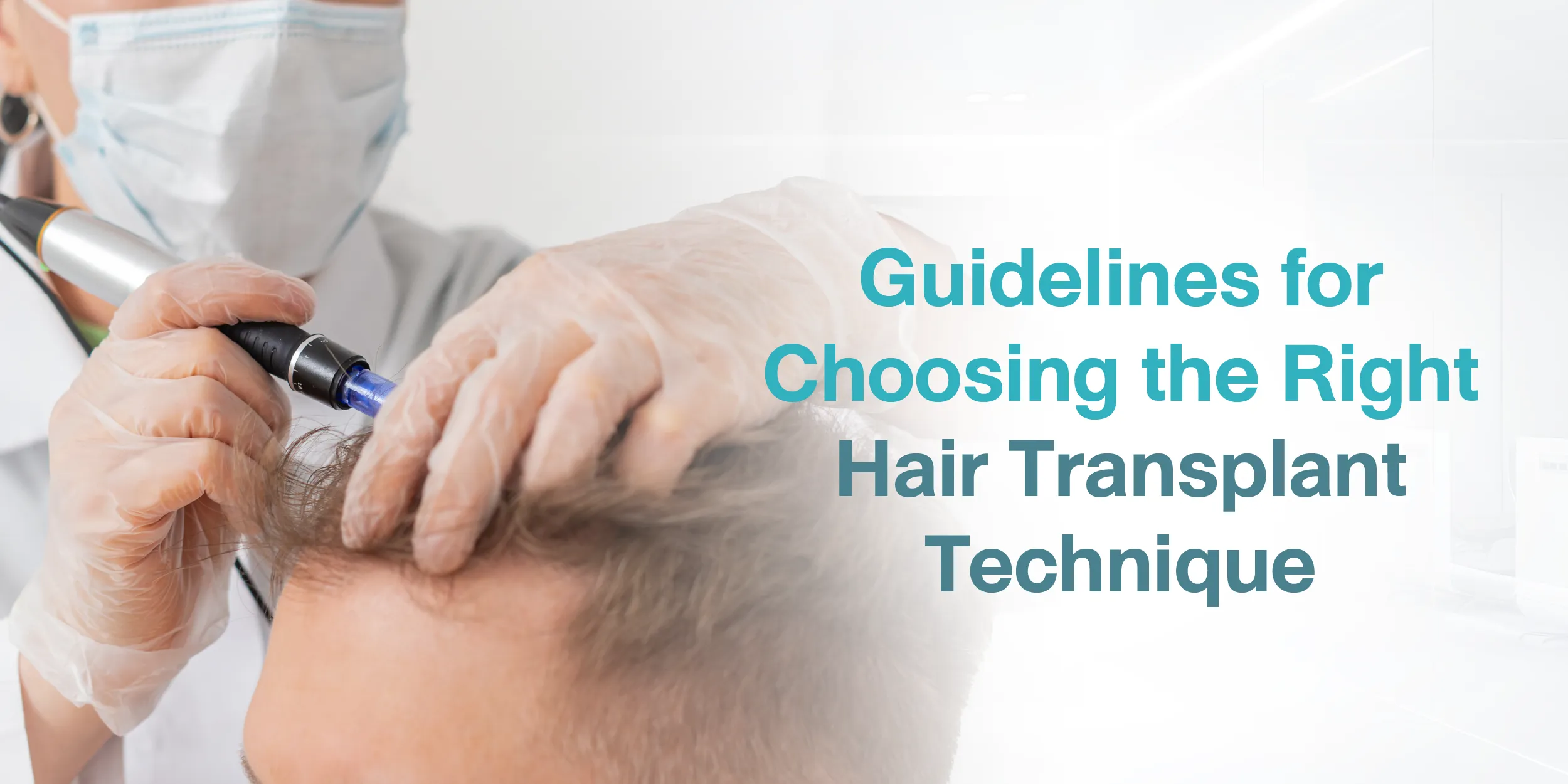
Guidelines for Choosing the Right Hair Transplant Technique
One of the most popular techniques is DHI hair transplant, which allows doctors to precisely control the position, depth, and angle of each hair. It is suitable for both men who want a sharp, well-defined hairline and women who want to increase hair density without affecting existing hair.
However, selecting the right technique should be based on an evaluation by a specialist doctor. It is recommended to consult with the medical team at DHI Thailand to plan a hair transplant that matches your hair condition and scalp health, in order to achieve results that best meet your expectations. The techniques for women hair transplant and men’s hair transplant differ as follows:
Hair Transplant Techniques for Men
- Focus on designing a new hairline that is balanced with the face shape
- Increase density in the frontal area and the central scalp
- Control hair direction and angle to achieve a natural look
- Suitable for those with clearly defined bald areas and permanently miniaturized hair follicles
Hair Transplant Techniques for Women
- No need to shave the entire head
- Increase density in specific areas such as the hair part or hairline
- Requires careful consideration of existing hair direction
- Uses techniques that allow precise control of depth and angle

How Long Is the Recovery After a Hair Transplant?
- Days 1–3: Tightness, mild swelling, and slight redness may occur. You can return to light work such as office jobs or non-physical tasks, but should still avoid sunlight, sweating, and intense exercise.
- Days 7–10: Scabs fall off and the scalp begins to recover.
- Weeks 2–4: Transplanted hair may shed temporarily (shock loss), which is a normal process of the hair follicles.
- Months 3–6: New hair begins to grow, density increases, and hair direction becomes more visible.
- Months 9–12: Clear and permanent results appear, with a natural-looking outcome.
Conclusion
Whether the problem is baldness or hair loss, thinning hair, in men or women, choosing the right treatment approach and technique that matches each individual’s hair condition and scalp health is essential and has become increasingly popular today. This helps ensure the most natural-looking results. Having the treatment evaluated by a specialist doctor reduces the risk of choosing an unsuitable method and allows for a more effective treatment plan.
If you are looking for a solution that suits you whether planning a women hair transplant or addressing thinning hair in men consulting with the expert medical team at DHI Thailand can help you receive a personalized care and hair transplant plan, restore confidence, and achieve results that align with your appearance and bring your confidence back.