In some cases, the damage does not stop at the hair strands but spreads to the scalp, leading to conditions such as atrophied hair roots or hair loss without visible hair roots, which make the hair noticeably thinner. These symptoms often cause many people to question what causes severe hair damage and whether it can be restored, leading to stress and a loss of confidence.
To help everyone understand the issue of severe hair damage, this article will guide you through the causes behind what causes hair damage, basic care guidelines, and proper methods to restore damaged hair, recommended directly by experienced hair specialists

What causes severe hair damage?
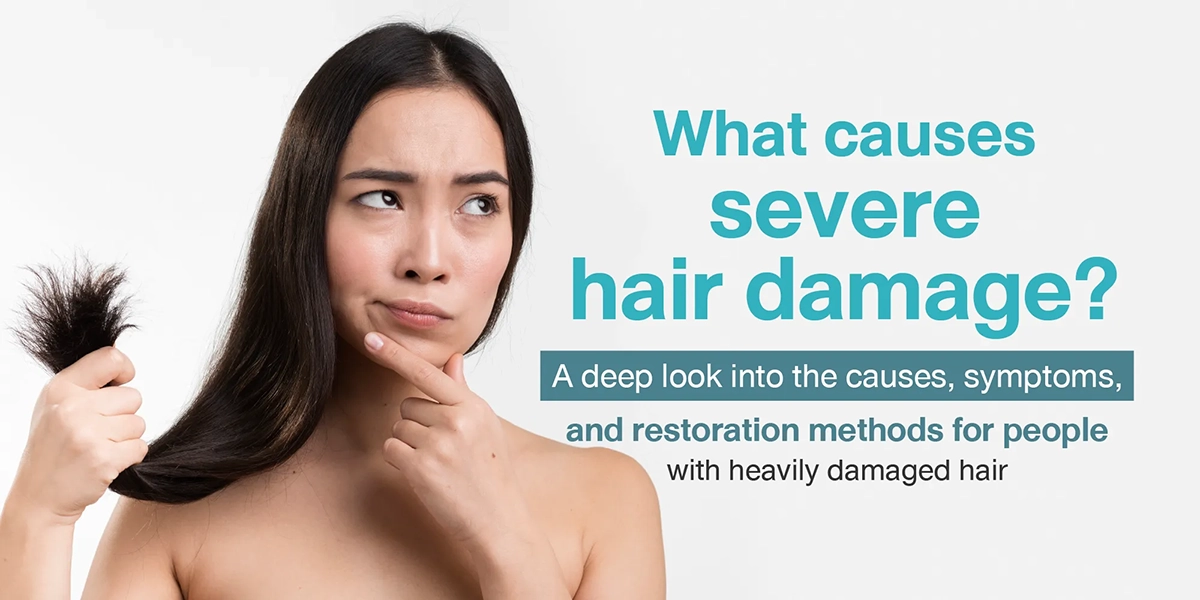
The condition of severe hair damage often occurs when the hair is continuously weakened until the inner protein structure becomes severely compromised. It is a state where the hair loses both moisture and elasticity, causing the strands to become brittle, break easily, and unable to repair themselves naturally. Many people start noticing these problems after using high-heat styling tools such as hair dryers, straighteners, or curling irons especially when used frequently and continuously. Heat causes the proteins inside the hair to break down and lifts the cuticles, making the hair fragile and more prone to entering a state of overprocessed hair.
Another major cause is hair coloring and bleaching. Chemical dyes work by opening the hair cuticles to alter the internal pigment, which weakens the keratin structure. This is especially true for cases of hair damage from coloring or bleaching the same sections multiple times. Hair that was once strong can become stiff, break into fragments, and lead to hair breakage and hair fall causing many people to panic and lose confidence.
In addition, hair straightening and perming are also significant causes of severe hair damage, as these procedures permanently change the structure of the hair. The chemicals involved work by softening the internal proteins to reshape the hair, and the side effects can result in strands becoming broom-like, frizzy, fragile, and clearly prone to breakage, with a texture that feels rough and brittle hair.
Most importantly, severe hair damage may extend beyond the strands and affect the scalp. If the scalp experiences allergic reactions, irritation, or frequent exposure to strong chemicals, the hair roots may weaken, leading to atrophied hair roots. This increases the likelihood of hair shedding. Some people even notice that the fallen hair has no visible hair root, which is a sign of hair loss without hair roots, a condition directly related to deep-level damage within both the hair strands and the scalp. This condition requires proper care before the damage progresses further in the long term

Characteristics of Severe Hair Damage
Severe hair damage often shows symptoms after the hair has been exposed to excessive heat or strong chemicals until the internal structure becomes weakened. Understanding these warning signs can help prevent further progression of the damage and allow you to begin restoring severe hair damage properly.
Hair becomes rough, stiff, and loses its natural texture
With severe hair damage, the strands often feel broom-like rough, stiff, and lacking smoothness. No matter how intensively you try to nourish the hair, it does not immediately regain softness because the structure of the hair has been damaged deep into the root level.
Split, frayed ends and unusually easy breakage
The ends of the hair spread into thin, frayed strands similar to split ends, appearing uneven in clusters. When brushing, large amounts of hair may break off because the hair has lost so much protein that it can no longer withstand tension.
Hair lacks moisture and does not absorb nourishing products
One obvious symptom is that after getting wet, the hair does not retain moisture it becomes stiff, puffy, and frizzy. At the same time, masks or conditioners do not absorb well into the strands, leaving the hair dry with a noticeably rough texture.
Hair tangles extremely easily
Raised or opened cuticles prevent the strands from aligning smoothly, making the hair tangle into knots quickly even shortly after brushing. The dry and rough areas rub against each other, forming thick tangles. When brushing or styling, it often causes discomfort due to increased pulling and tension on the damaged strands.
Symptoms that affect the scalp and hair roots directly
Severe hair damage may extend to the roots, causing itching, dryness, and irritation after coloring or straightening. In some cases, hair becomes noticeably thinner due to atrophied hair roots, and new hair that grows out tends to be fragile and easily broken. Some people notice hair fall with no visible hair root, which is a sign of hair loss without strong roots, indicating direct damage to the root level that requires proper care before the condition worsens.

How to Fix Severe Hair Damage
Trim the severely damaged ends first
For those experiencing severe hair damage or broom-like hair texture, trimming the heavily damaged ends is the fastest way to support recovery. Hair that has been destroyed to the point of fraying or becoming stiff cannot repair itself. Cutting it off helps stop the damage from spreading and gives the remaining hair a better chance to recover.
Replenish proteins with keratin and intensive treatments
Severe hair damage occurs when the hair loses keratin, the main structural protein. Using intensive hair treatments 1–2 times a week helps fill gaps within the hair shaft, increase strength, and reduce breakage and hair fall. This step is essential for restoring damaged hair, allowing it to regain weight, elasticity, and natural health.
Consistently add moisture to the hair
In addition to hydration, another important step for those with severe hair damage is applying hair masks containing amino acids or natural oils such as argan oil, jojoba oil, or avocado oil. These help soften the hair, reduce roughness, and improve overall smoothness and weight.
Avoid strong chemical treatments for at least 2–3 months
Hair that is in the process of recovering from damage needs time to rebuild its structure naturally. Coloring, bleaching, or perming during this period may worsen the condition especially for those with damage from coloring. Reapplying chemicals is strongly discouraged as the hair structure is not ready to withstand further changes. Focus on nourishment instead.
Reduce heat usage and use tools with temperature control
Excessive heat is a major cause of severe hair damage, so styling tools should be kept at 150–170°C. Avoid blow-drying or straightening the same section repeatedly. This is especially important for those who recently colored their hair, as heat can intensify chemical damage.
Support hair health with proper nutrition and supplements
Nutrition plays a more important role in hair health than most people think. Eating enough protein along with vitamin B, biotin, and minerals like zinc or iron helps support the growth of stronger new hair from within. This boosts the effectiveness of restoring damaged hair, particularly in individuals whose hair breaks easily or whose roots are weak. Consistent supplementation can encourage stronger regrowth and reduce long-term risks of hair loss and thinning.
Combine hair treatments with regular hair care for deeper restoration
Having professional hair treatments alongside regular hair care enhances the improvement of severe hair damage because treatments can repair heat- or chemical-related damage more deeply. They are ideal for those who want to accelerate the process of restoring damaged hair and reduce roughness, bringing back softness and smoothness.
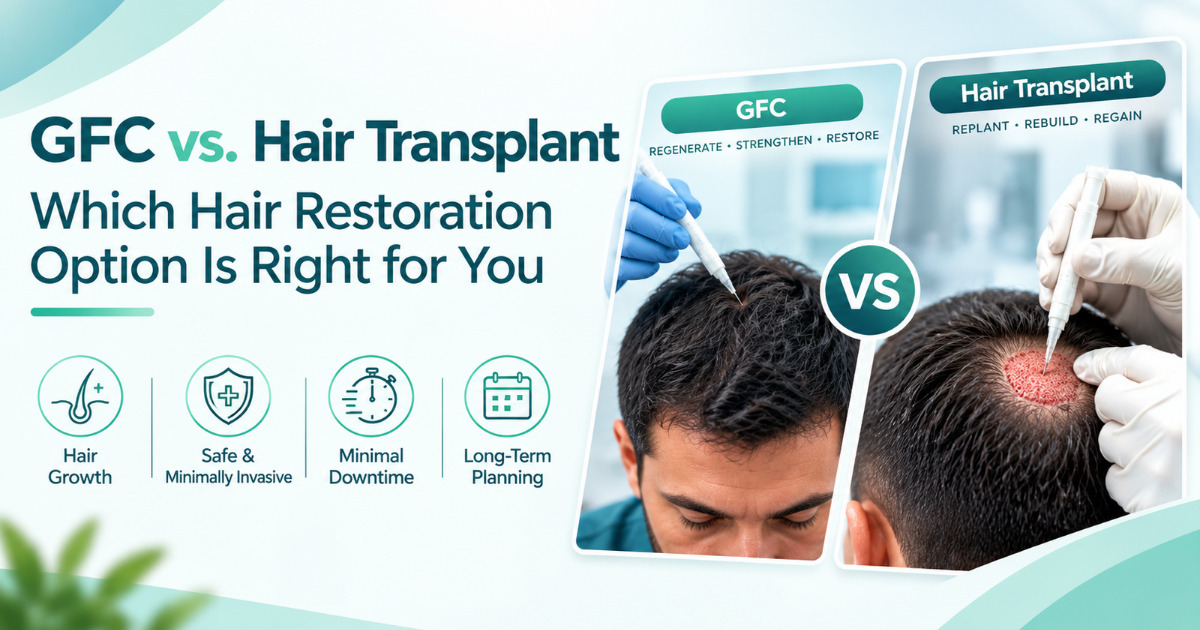
Additionally, continuous scalp care helps lower the risk of atrophied hair roots or hair loss without visible roots. Restoration can also be supported with services such as Growth Factor Concentrate, which strengthens the roots, or PRP Treatment, which naturally stimulates new hair growth. You can consult hair specialists at DHI Thailand, who have expertise in root restoration and hair transplant procedures.

How to Prevent Severe Hair Damage From Happening Again
Preventing severe hair damage from recurring is just as important as restoring damaged hair, because once the hair becomes weakened, the chance of developing damage again becomes much higher. You should start by using heat-protection products every time before blow-drying, straightening, or curling your hair to reduce hidden accumulated damage. In addition, those who color their hair should allow enough time for the hair to fully recover and avoid applying chemical treatments repeatedly on the same area.
Choosing shampoos and conditioners designed for severely damaged hair will help maintain the hair’s moisture balance. Pair this with consistent nourishment 1–2 times a week to preserve elasticity, reinforce strength, and reduce the risk of severe hair damage returning. This helps the hair appear healthier in the long term.
Summary
The issue of severe hair damage can arise from many causes chemical processes, high heat, or insufficient nourishment all of which weaken the hair until symptoms appear such as rough texture, easy breakage, or the inability to absorb treatments. Effective restoration requires caring for both the hair shaft and the scalp to reduce the risk of atrophied hair roots, which can lead to hair loss and thinning, potentially progressing to hair loss without hair roots, a sign of severe root damage.
Those experiencing significant hair damage should choose the right method to fix severe hair damage according to the level of deterioration and maintain consistent care to achieve long-term results. Regular hair maintenance helps prevent the damage from spreading to the point where recovery becomes difficult. For individuals with additional symptoms such as thinning hair or weakened hair roots, professional treatments like Growth Factor Concentrate or PRP Treatment may be beneficial as they help restore root strength and stimulate natural hair regrowth. You can receive further guidance from the medical team at DHI Thailand to create a personalized plan for restoring hair health effectively.