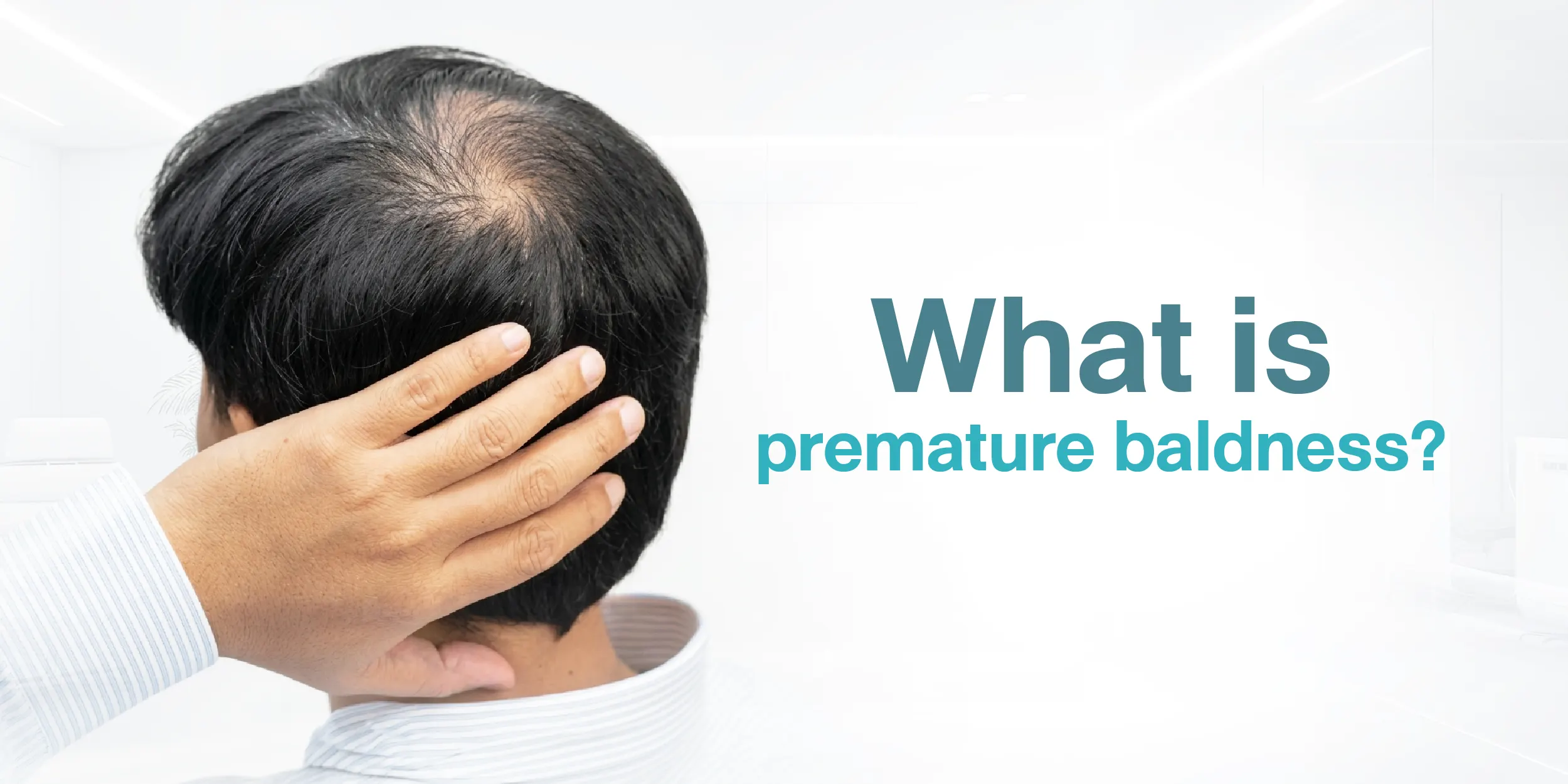
What is premature baldness?
Premature baldness is a condition where hair begins to thin or fall out abnormally at a young age. It is commonly found from late adolescence to early working age. The typical signs include a more exposed frontal hairline, a widening part line, or noticeable thinning at the crown area. This is different from normal hair shedding because it is caused by the continuous deterioration of the hair follicles.
In women, premature baldness is not caused by genetics alone. It is also related to hormones, stress, lack of sleep, as well as long-term behaviors that damage the scalp and hair. If left untreated from the early stages, the hair follicles may become too weak to regenerate new hair, resulting in permanent thinning and potentially developing into a more serious hair loss problem.
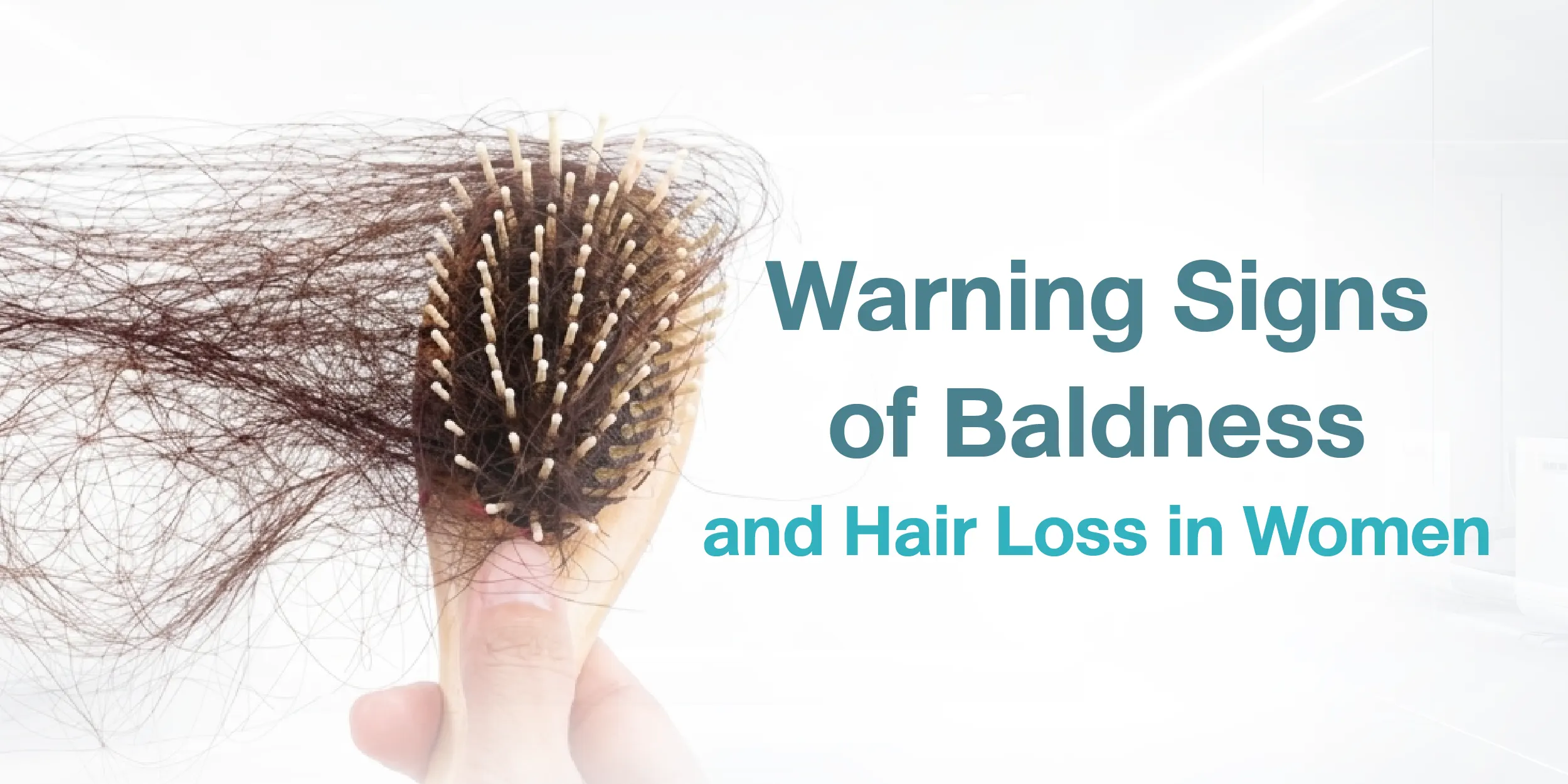
Warning Signs of Baldness and Hair Loss in Women
Before the problem becomes more severe, many people may already be experiencing female thinning hair or chronic hair loss. These signs often develop gradually, and detecting them early can help address the issue more effectively before it worsens. The following are warning signs that your scalp may be sending:
- The hair parting becomes wider, with the scalp more visible than before
- Hair strands become thinner, flat, and lack volume even without chemical treatments
- Excessive hair shedding during shampooing or combing
- Repeated hair loss in the same area with little to no new hair regrowth
- The scalp appears thinner, especially at the crown or frontal hairline area
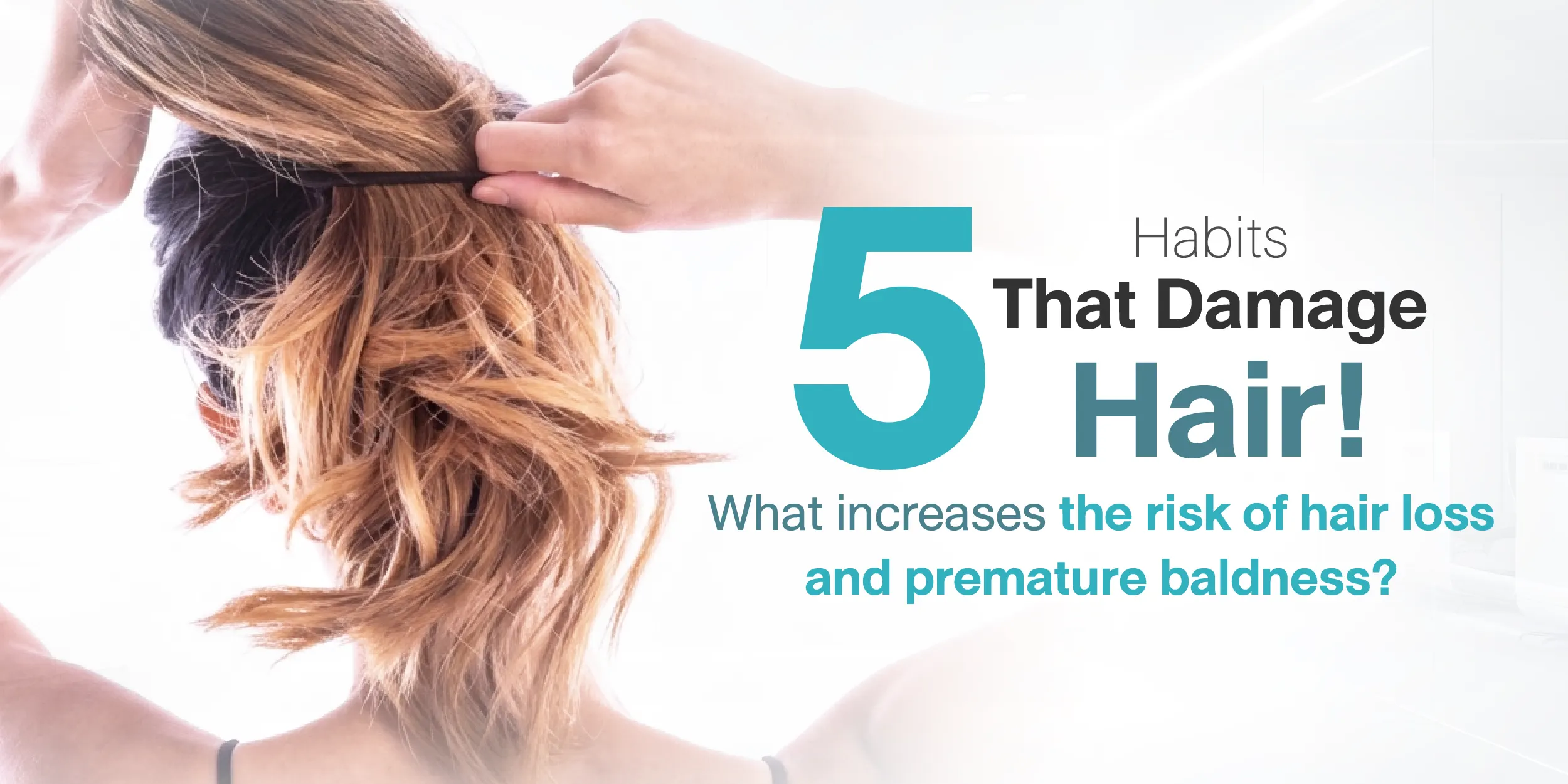
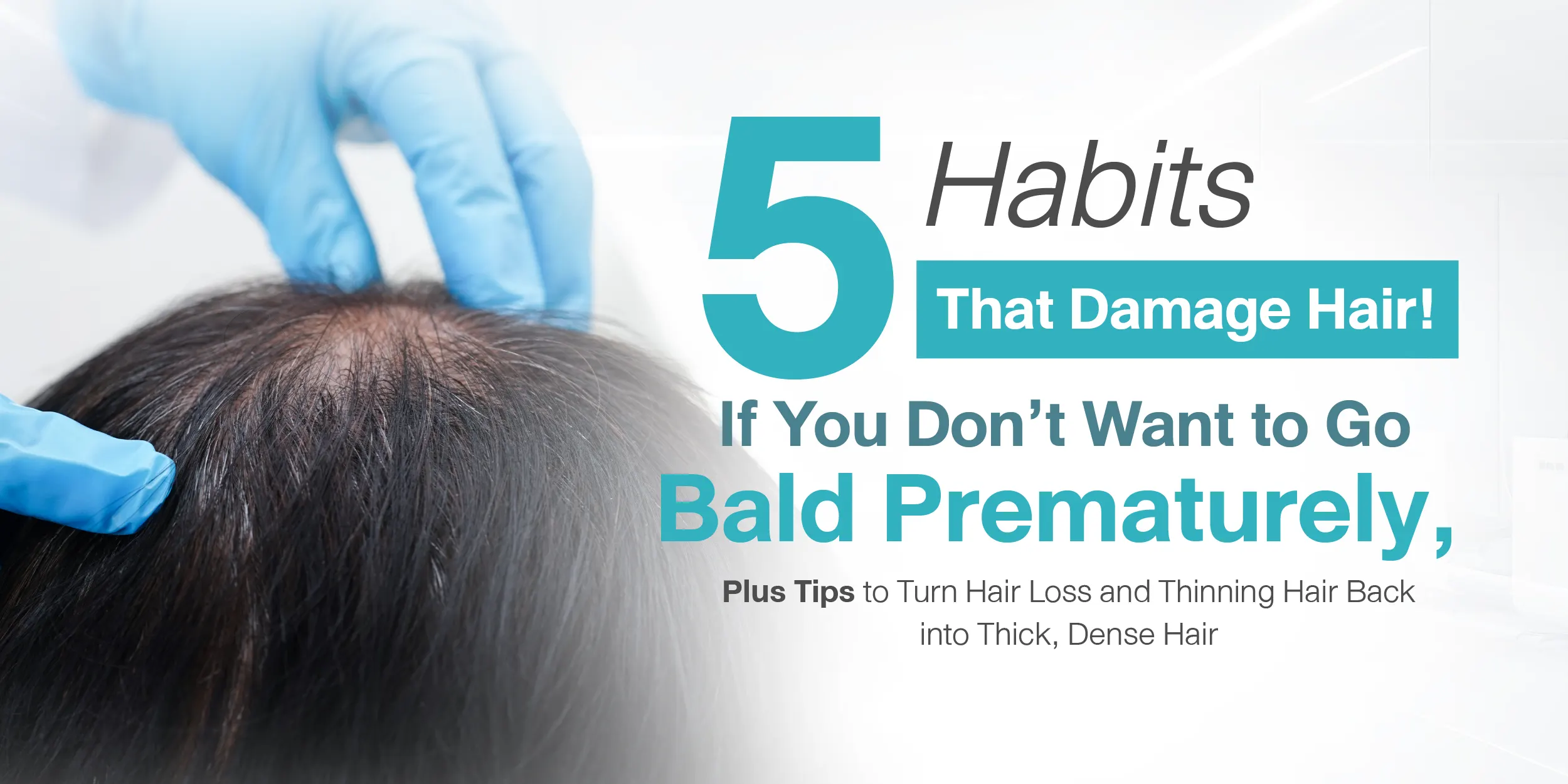
5 Habits That Damage Hair! What increases the risk of hair loss and premature baldness?
1. Improper washing or washing too frequently
Many people believe that clean hair means healthy hair, but in reality, maintaining scalp balance is more important. Washing hair every day or using harsh cleansing shampoos can disrupt the natural oil balance on the scalp. When the scalp becomes dry or irritated, hair follicles weaken and hair loss can occur more easily.
2. Tying hair too tightly on a regular basis
Constantly pulling hair back into tight ponytails or buns puts repeated tension on the hair roots, leading to inflammation without notice. The areas that often become thinner first are the front hairline and temples, which are difficult to recover if left untreated and may lead to traction alopecia–related baldness.
3. Frequent use of heat and chemicals
Damage from heat is not limited to the hair shaft but can also affect the hair follicles directly. Regular straightening, curling, or dyeing weakens the hair structure and affects the scalp in the long term. When hair follicles become weak, the hair growth cycle shortens, leading to increased hair loss.
4. Accumulated stress and lack of sleep
Stress-related hair loss is often unnoticeable because many people mistake it for normal hair issues. Stress causes hormonal imbalance in the body, leading to a large number of hair follicles entering the shedding phase at the same time. This condition usually appears 2–3 months after periods of stress.
5. Poor nutrition or unbalanced diet
Few people realize that this can cause hair loss, but hair requires continuous nutrients such as protein, iron, and various vitamins for new hair production. When the body does not receive enough nutrients, it prioritizes essential organs over hair growth, since hair is not vital for survival. As a result, hair becomes weak, falls out easily, and recovers more slowly.
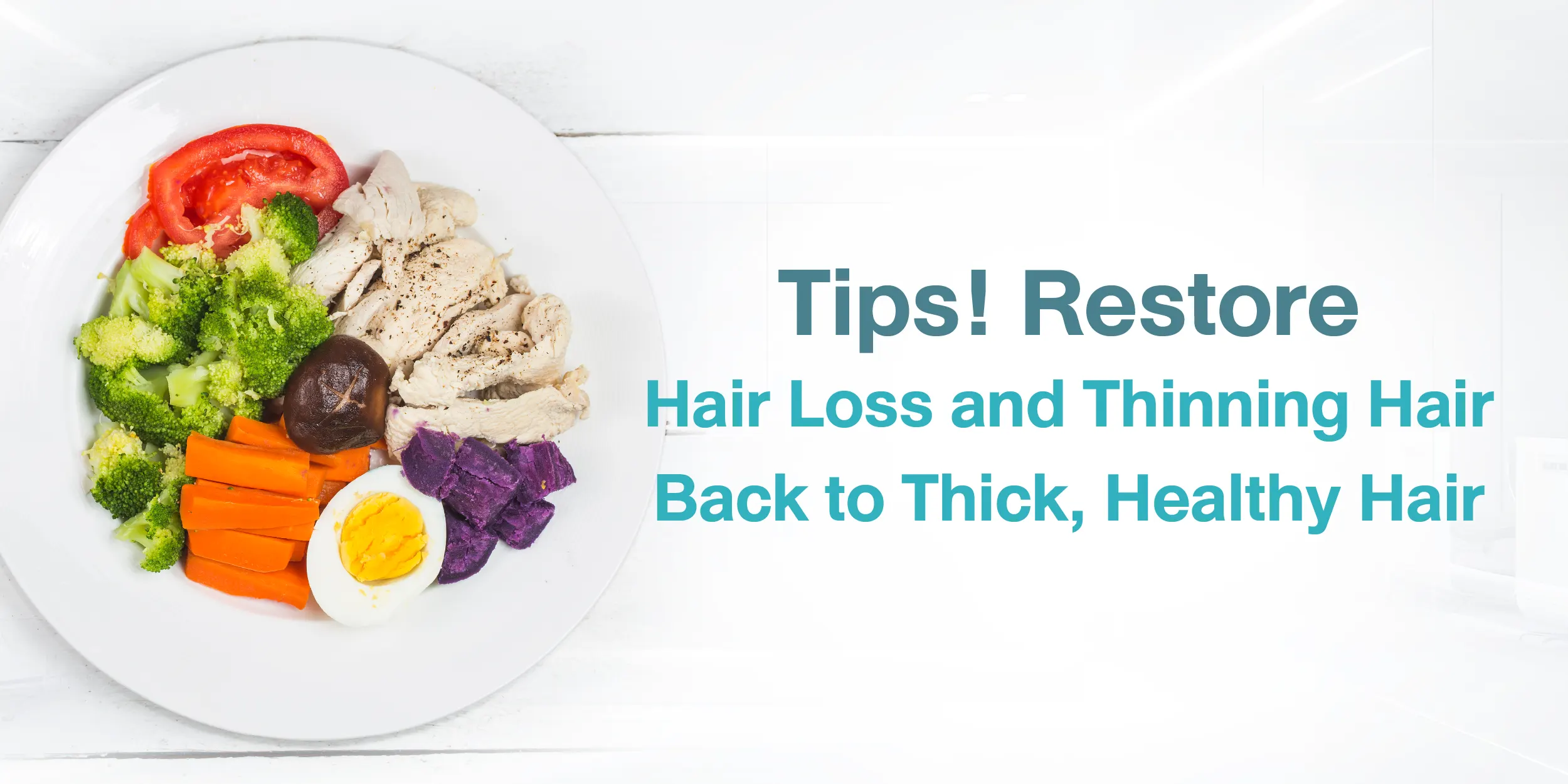
Tips! Restore Hair Loss and Thinning Hair Back to Thick, Healthy Hair
• Adjust habits that damage hair
Reduce the use of heat styling tools, avoid tight hairstyles, and limit frequent chemical treatments. These help reduce stress on the hair that contributes to hair loss and allow hair follicles to recover better.
• Choose appropriate scalp care products
Use gentle shampoos and treatments that do not irritate the scalp. This helps maintain scalp balance and reduces weakening of hair follicles.
• Nourish from within with proper nutrition
Focus on foods rich in protein, iron, and essential vitamins to strengthen hair and support healthier regrowth. This improves overall hair strength.
• Take care of health and reduce stress
Stress affects hormones and the hair growth cycle directly. Adequate rest helps reduce female thinning hair and prevents chronic hair shedding.
• Regularly observe and assess hair condition
If noticeable thinning or weak hair follicles occur, consider proper treatment or consult a specialist at a hair clinic Bangkok to prevent progression into permanent thinning.
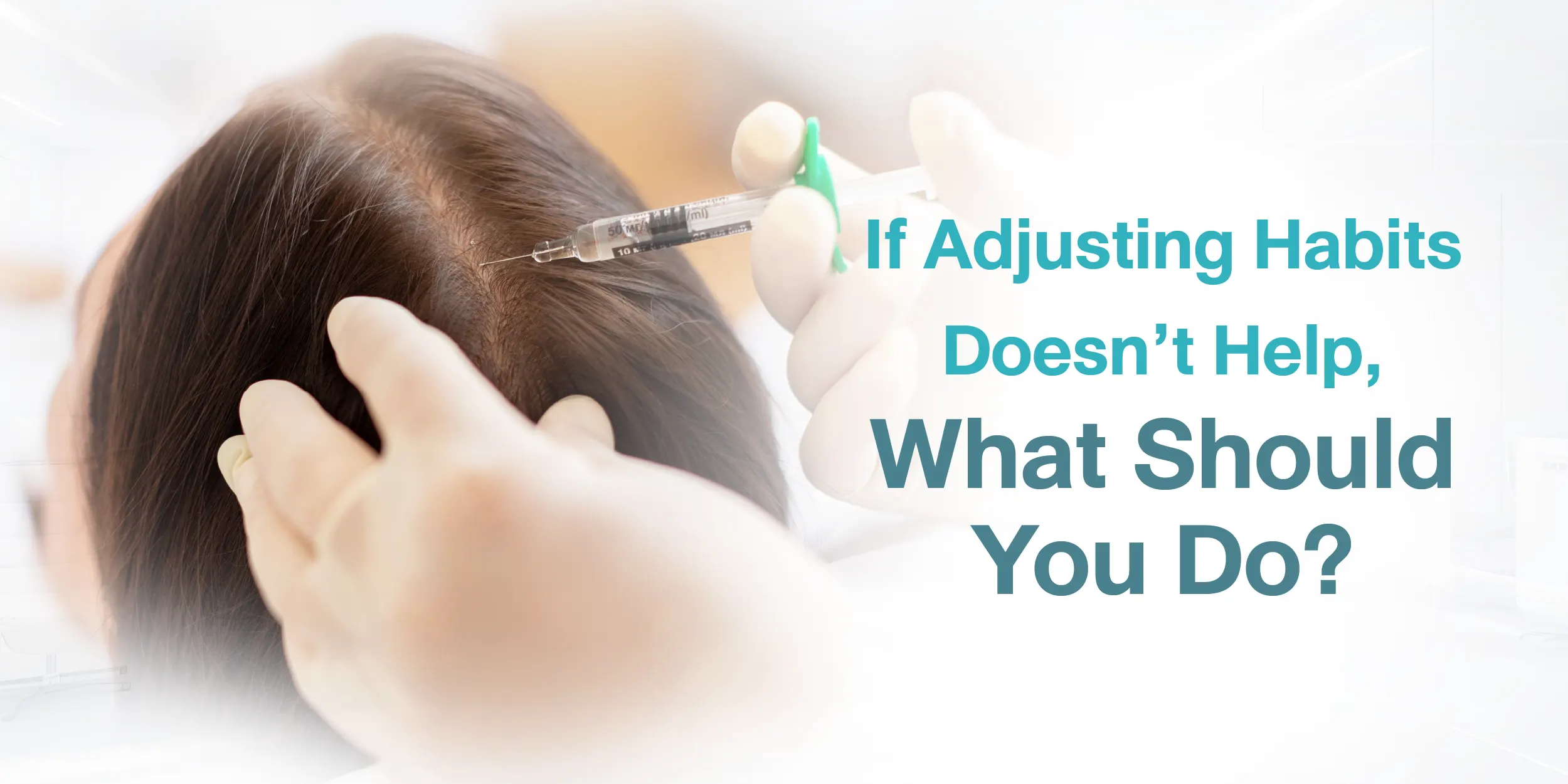
If Adjusting Habits Doesn’t Help, What Should You Do?
If you have already tried improving hair care habits such as washing your hair properly, reducing stress, and maintaining good nutrition but hair loss, female thinning hair, or premature baldness still does not improve, this may indicate that the root cause is not only external behavior. In many cases, hair loss can also be linked to genetics, hormones such as DHT, or long-term weakened hair follicle structures that cannot be restored by basic care alone.
Therefore, individuals experiencing persistent hair loss, thinning hair, or baldness should consider consulting a specialist for a detailed scalp and hair follicle assessment before choosing a treatment plan. Ignoring ongoing hair loss may lead to permanent follicle shrinkage and reduce the chance of recovery.
In some cases, doctors may recommend specialized treatments such as:
- PRP (Platelet-Rich Plasma) injections to stimulate blood circulation and improve hair follicle function
- Mesotherapy for the scalp to deliver nutrients directly to the hair roots
- Medical treatment under supervision to slow down hair shedding and extend the hair growth cycle
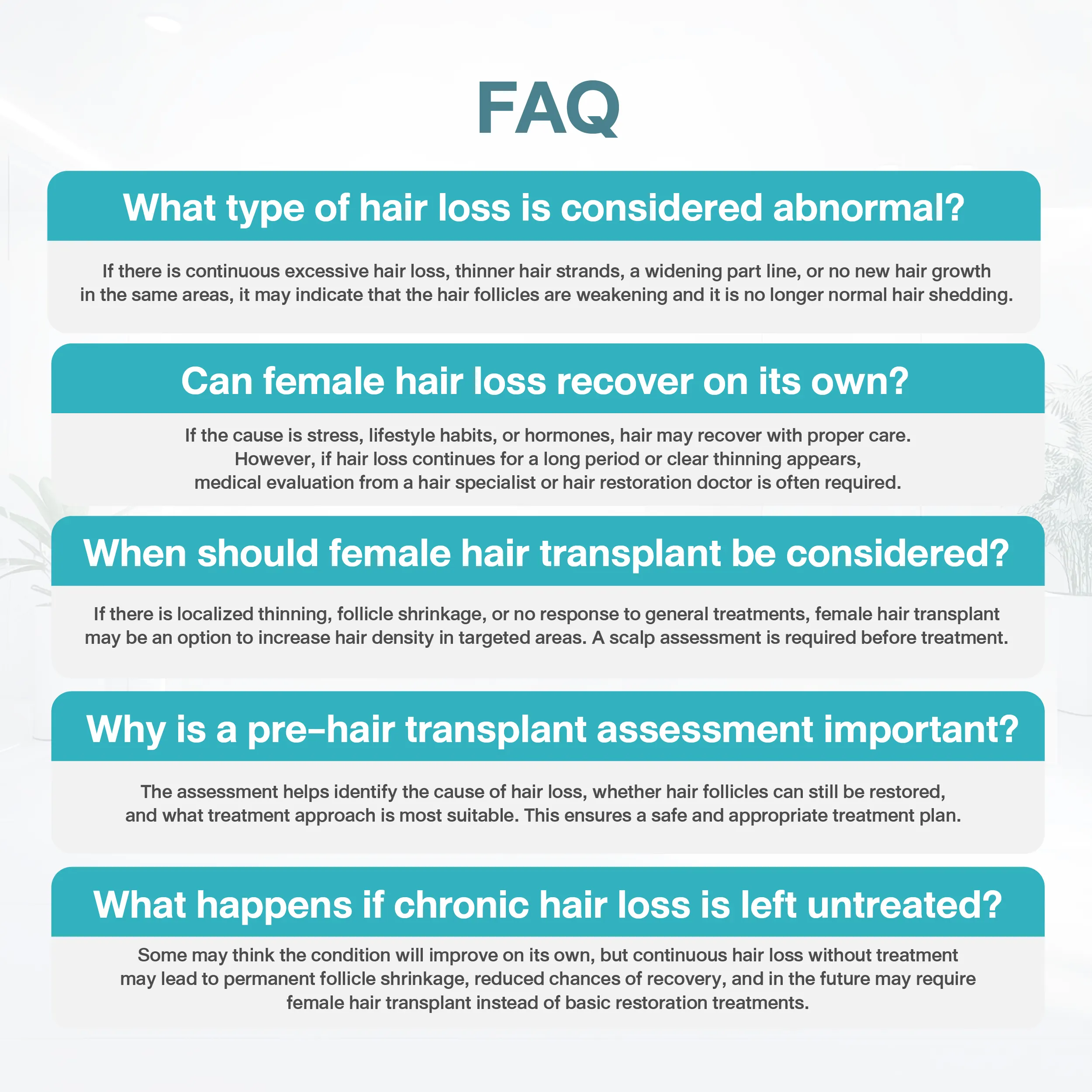
FAQ
1. What type of hair loss is considered abnormal?
If there is continuous excessive hair loss, thinner hair strands, a widening part line, or no new hair growth in the same areas, it may indicate that the hair follicles are weakening and it is no longer normal hair shedding.
2. Can female hair loss recover on its own?
If the cause is stress, lifestyle habits, or hormones, hair may recover with proper care. However, if hair loss continues for a long period or clear thinning appears, medical evaluation from a hair specialist or hair restoration doctor is often required.
3. When should female hair transplant be considered?
If there is localized thinning, follicle shrinkage, or no response to general treatments, female hair transplant may be an option to increase hair density in targeted areas. A scalp assessment is required before treatment.
4. Why is a pre-hair transplant assessment important?
The assessment helps identify the cause of hair loss, whether hair follicles can still be restored, and what treatment approach is most suitable. This ensures a safe and appropriate treatment plan.
5. What happens if chronic hair loss is left untreated?
Some may think the condition will improve on its own, but continuous hair loss without treatment may lead to permanent follicle shrinkage, reduced chances of recovery, and in the future may require female hair transplant instead of basic restoration treatments.
Summary
Problems such as female thinning hair, hair loss, or baldness should not be treated as minor issues or left without proper evaluation. When hair follicles become progressively weaker over time, the chance of recovery clearly decreases. Delayed treatment may lead to the need for more advanced solutions such as hair transplant surgery.
Modern techniques like DHI (Direct Hair Implantation) allow hair to be transplanted without large incisions, enabling precise control of direction, depth, and density. This method is suitable for women who want natural-looking results. Another technique, FUE (Follicular Unit Extraction), involves extracting individual follicular units, resulting in minimal scarring and faster recovery compared to traditional methods.
Therefore, seeking a professional evaluation at specialized clinics such as dhi bangkok or hair clinic bangkok can help identify a clearer treatment plan, including restoration, prevention, and long-term care. Continuous monitoring at clinics like dhi bangkok or regular follow-ups at hair clinic bangkok can also help reduce risks and prevent the condition from progressing to more severe stages in the future.