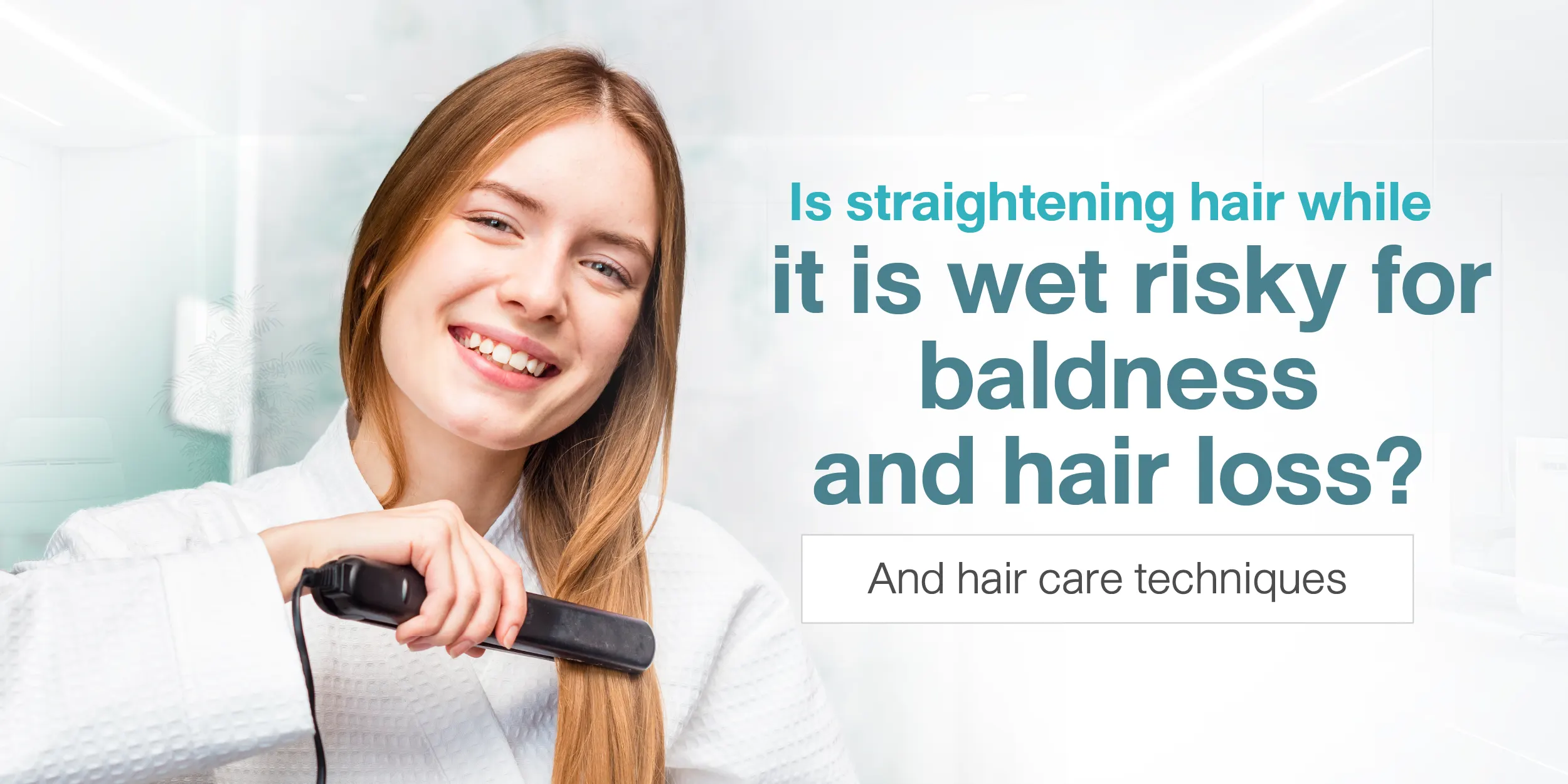
Does straightening hair while wet really increase the risk of baldness?
Straightening hair while hair is wet does not cause baldness immediately, but it is a behavior that can gradually increase accumulated risk from our own habits, especially when done regularly and continuously. When hair is wet, both the hair strands and the scalp are in a weaker state. Heat from a hair straightener can easily penetrate into the hair structure, affecting the roots and scalp, leading to a condition of weak scalp and interfering with the function of the hair roots.
When heat repeatedly damages the hair cuticle, the hair loses moisture, becomes dry and brittle, and leads to more frizzy hair and easier breakage and shedding. The hair loss each day may not seem significant, but over time, it can accumulate and make the hair look thinner, leading to clearly visible thin hair.
Therefore, although straightening hair while hair is wet is not a direct cause of baldness, it is considered one of the accelerating factors that can worsen hair loss problems, especially in people with genetic thinning hair or existing hair loss issues. If habits are not adjusted and proper hair care is not practiced, these problems may accumulate and become harder to restore.
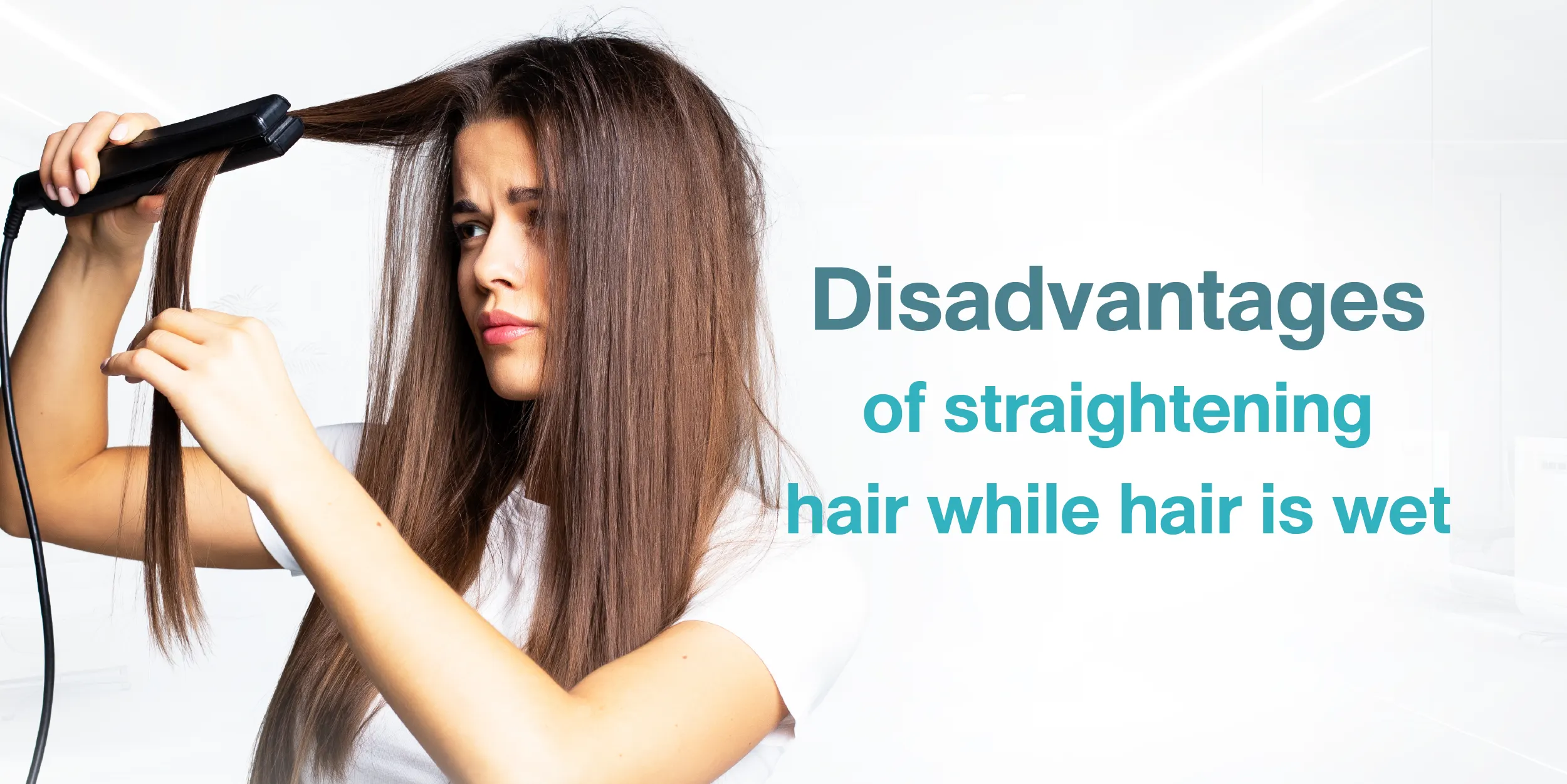
Disadvantages of straightening hair while hair is wet
Damage to hair structure
High heat causes the hair cuticle to open. The hair loses moisture and essential proteins, resulting in dry, brittle hair that breaks easily and is more prone to hair loss than normal.
Easier hair breakage and shedding than usual
Heat applied while the hair is wet makes the hair structure fragile. Hair becomes more likely to break and fall out during the day, leading to an increase in hair loss without noticing it.
Weak hair roots, affecting new hair growth
When heat repeatedly damages the hair and scalp, the hair roots become weaker. New hair grows finer and less strong, causing the hair to gradually become thinner and more difficult to recover.
Increased risk of baldness
Although it is not a direct cause of baldness, continuously damaging the hair with heat is a contributing factor that may accelerate baldness, especially in people with genetic thin hair or existing hair loss problems, where the effects become noticeable more quickly than usual.
How to straighten hair without risking hair loss or baldness
Step 1: Dry hair completely before straightening
Hair should be blow-dried to at least 90–100% dry before using a hair straightener. Hair that still contains moisture is weaker and more easily damaged, which is one of the causes of hair loss.
Step 2: Adjust the temperature appropriately for hair condition
Choose a temperature that is not too high, especially for people with fine or thin hair. Excessive heat can accelerate weak hair roots and increase the risk of baldness.
Step 3: Use heat protection products before straightening
Heat protection products help reduce moisture loss and protect the hair from damage that can lead to accumulated hair loss problems.
Step 4: Straighten each section once, avoid repeated passes
Do not straighten the same section of hair multiple times, as repeated heat exposure can damage the hair and make it more prone to shedding.
Step 5: Reduce the frequency of using hair straighteners
Giving hair regular breaks from heat helps the hair roots recover, reduces hair loss, and helps slow down the progression of baldness in the long term.
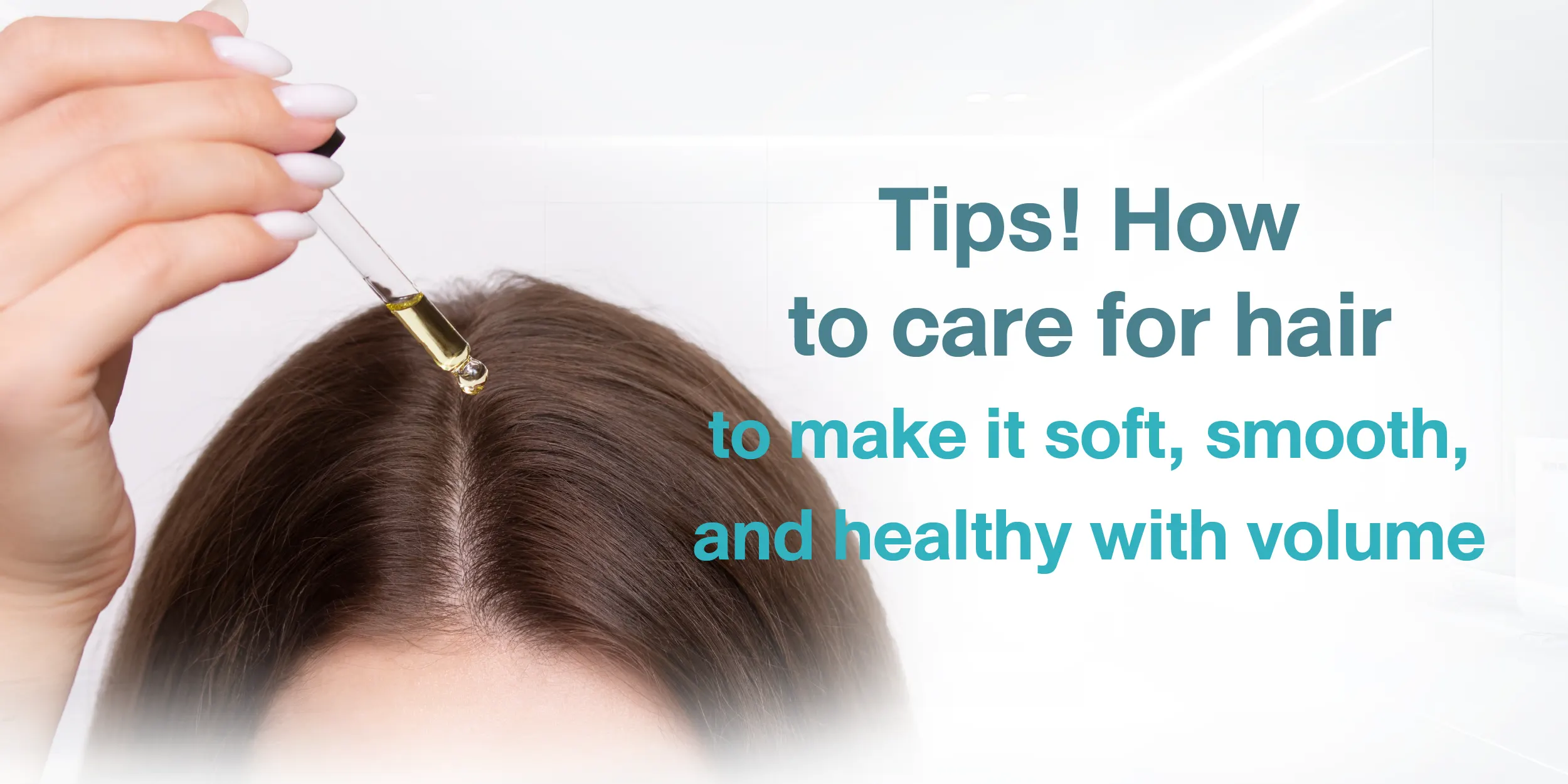
Tips! How to care for hair to make it soft, smooth, and healthy with volume
Choose moisturizing shampoo and conditioner
Use shampoo and conditioner that help add moisture to the hair. Avoid formulas that make hair dry or tight, as they can make hair more brittle and easier to break, leading to hair loss.
Use hair treatments or hair masks regularly
Regular treatment helps restore the internal hair structure, which is one of the causes of hair loss problems. It helps make hair smoother, stronger, reduces breakage, and supports healthier hair roots.
Apply serum or hair oil to mid-length and ends
Especially after washing or before styling, applying serum or hair oil helps lock in moisture, reduce frizz, and add weight and smoothness to the hair.
Avoid excessive heat styling and always use heat protection
Limit frequent use of heat tools. Always apply heat protection products before straightening or blow-drying to reduce accumulated damage that can lead to hair loss.
Trim hair regularly
Trimming split ends helps reduce breakage and keeps hair looking healthier and more well-maintained.
Take care of internal health as well
Drink enough water, get proper rest, and eat nutritious food that supports hair health. This helps enhance overall hair care results and improves hair strength from within.
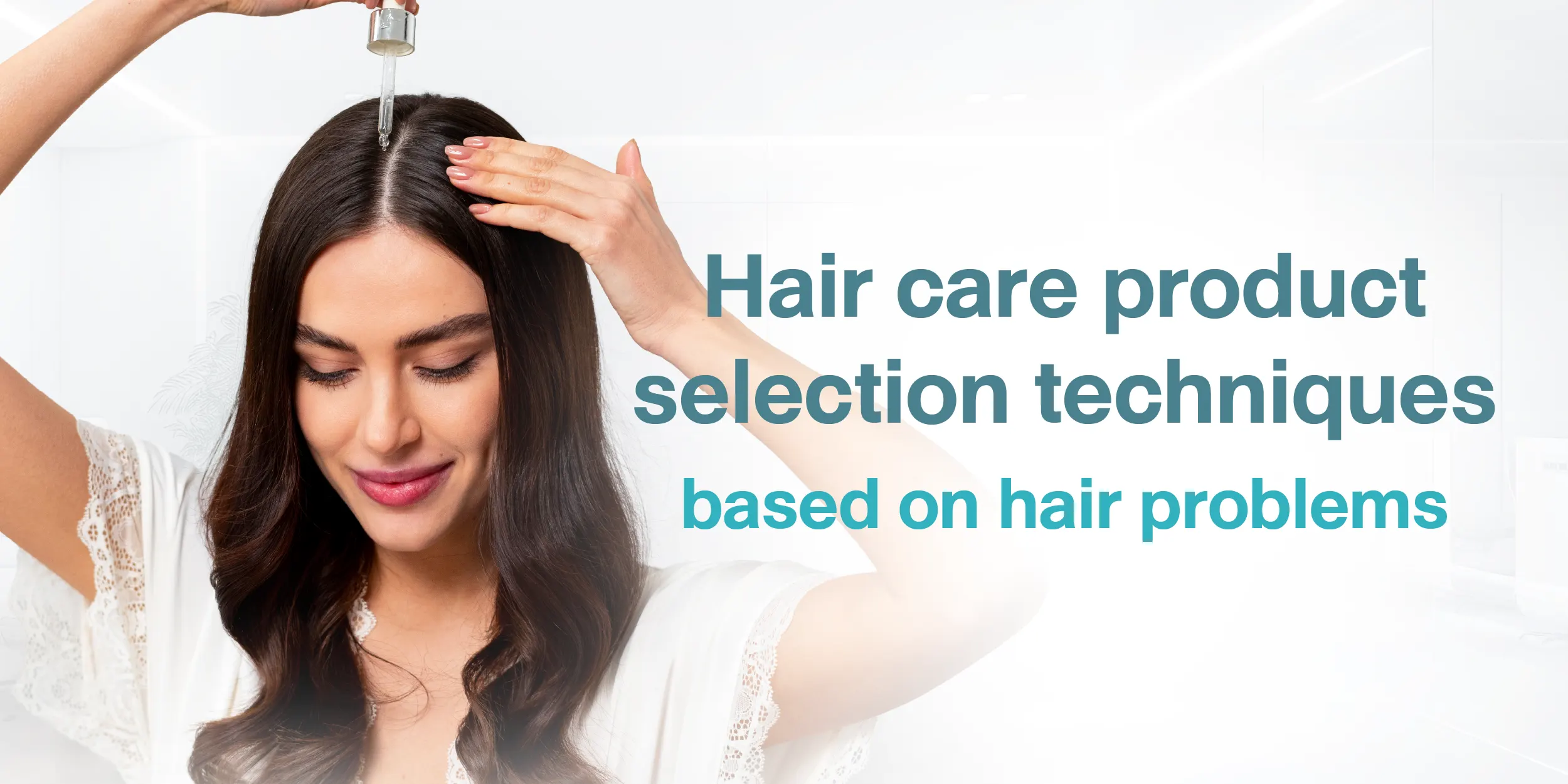
Hair care product selection techniques based on hair problems
Choosing the right hair care products should be based on hair condition rather than trends, because each hair problem requires different care.
Dry hair, lack of moisture
Choose products that help add hydration to the hair, with natural oils or moisturizing ingredients. This helps make hair softer, reduces split ends, and prevents dryness and rough texture.
Oily scalp, flat and limp hair
Suitable for lightweight formulas that do not leave residue and help control oil on the scalp, so the hair looks light, fresh, and does not become oily quickly during the day.
Damaged hair from coloring or heat
Choose repair-focused formulas that help restore the internal hair structure, reduce brittleness, and make hair stronger with continued use.
Hair loss, thinning hair
Recommended to use products that are gentle on the scalp, non-irritating, and contain ingredients that support hair roots to prevent worsening hair loss problems.
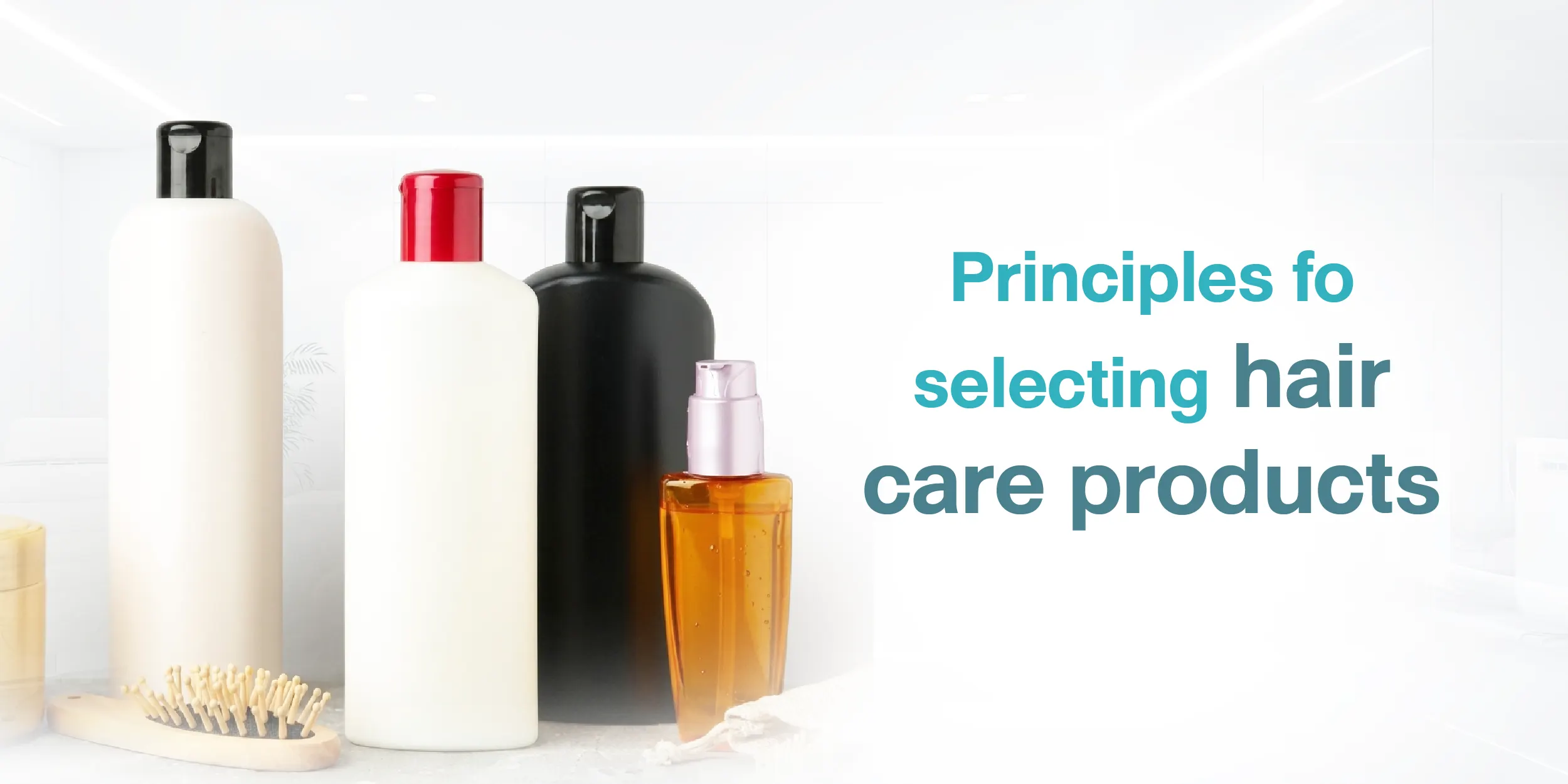
Principles for selecting hair care products
Choose products with balanced pH for the scalp
The suitable pH level is around 4.5–5.5, which helps close the hair cuticle, reduce moisture loss, and minimize scalp irritation.
Look for humectants (moisture-retaining ingredients)
Such as Glycerin, Panthenol (Vitamin B5), and Hyaluronic Acid, which help attract and retain water in the hair, making it soft, less dry, and less prone to breakage.
Use protein and bond repair ingredients
Such as Hydrolyzed Keratin, Hydrolyzed Silk, Amino Acids, or Ceramides, which help strengthen weakened hair caused by heat and chemicals.
Ingredients for scalp and root care
Such as Niacinamide, Caffeine, Biotin, and Zinc PCA, which help maintain scalp balance, reduce oiliness, and support hair root function.
Avoid potentially irritating ingredients with long-term use
Such as Sodium Lauryl Sulfate (SLS), Denatured Alcohol, and some silicones (Dimethicone, Cyclopentasiloxane), which may build up and clog the scalp over time.
Choose formulas that match your hair condition
Thin hair should avoid heavy coating formulas, while dry and damaged hair should focus on intensive repair formulas rather than just making the hair feel smooth.
Summary
Adjusting hair styling habits to be more appropriate, along with consistent hair care and hair nourishment, is an important factor that many people often overlook or do not maintain regularly. Whether it is dry damaged hair, thinning hair, or accumulated hair loss, choosing scalp-friendly products, reducing unnecessary heat usage, and understanding your own hair condition for proper hair care and hair nourishment can help strengthen hair, improve overall hair health, and reduce the risk of problems that may become difficult to reverse if left untreated.
However, for individuals who have noticeable thinning hair or significant hair loss that begins to affect confidence, consulting a specialist is another option that can help plan targeted solutions. Currently, hair transplant in Thailand technology has been significantly developed, especially with clinics like DHI Thailand that focus on advanced innovations for hair restoration. The approach emphasizes precision and natural-looking results, helping to restore the hairline while combining proper hair care practices to achieve the most satisfying outcome.