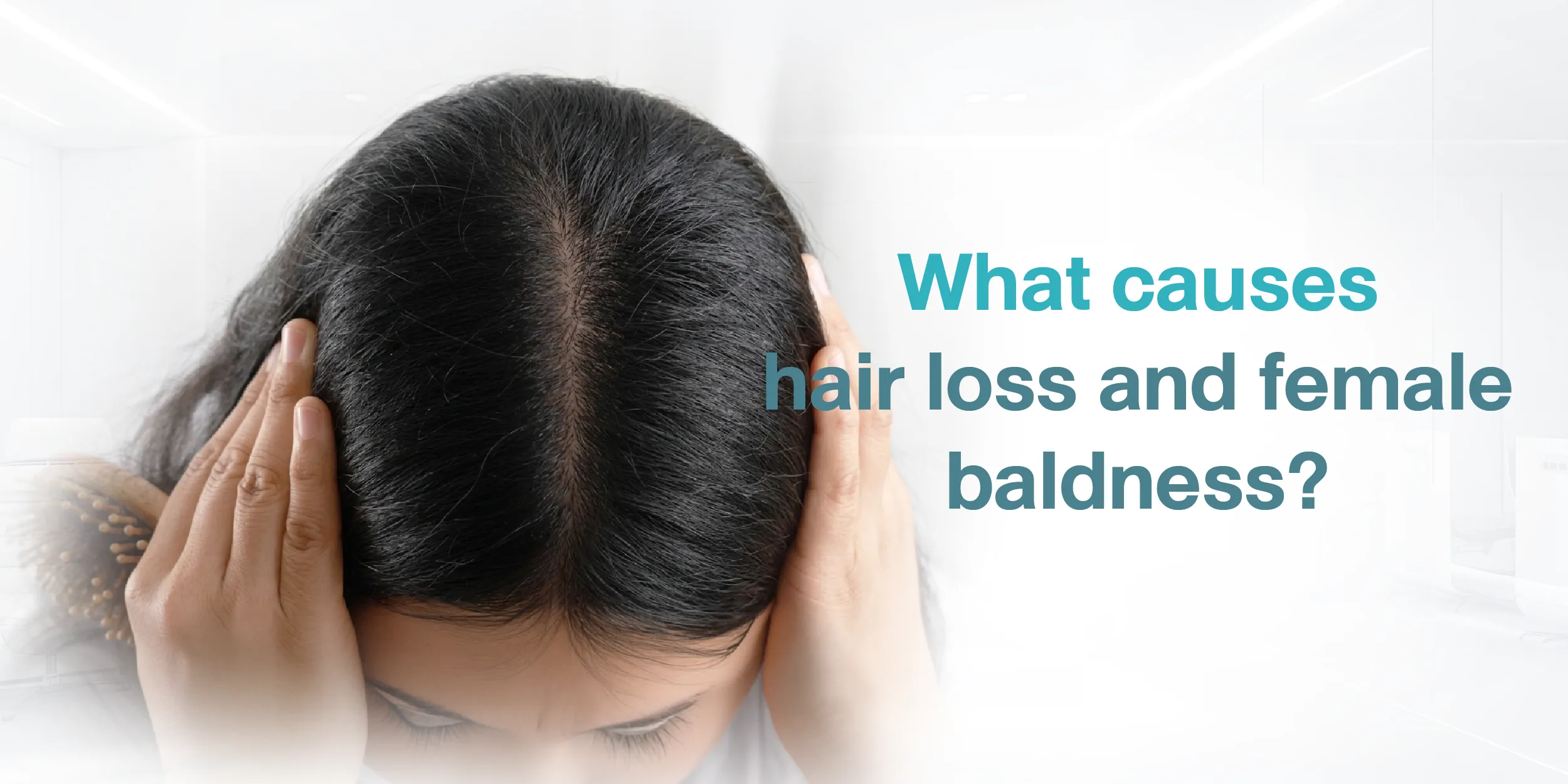
What causes hair loss and female baldness?
Hair loss and baldness in women are usually not caused by a single factor, but rather a combination of accumulated factors such as hormonal changes, stress, lack of proper rest, and genetics. When these factors affect the hair growth cycle, newly growing hair becomes thinner and falls out more easily, gradually developing into female hair thinning, often without being noticed in the early stage.
In the early stage, most women tend to look for hair loss solutions by using medications or products that stimulate hair growth, whether it is shampoo, conditioner, or the popular option minoxidil, which helps stimulate blood circulation and prolong the hair’s growth phase. However, medication may produce different results in each individual. If the main cause is permanently weakened hair roots or non-strong follicles, using medication alone may not be able to directly solve the problem.
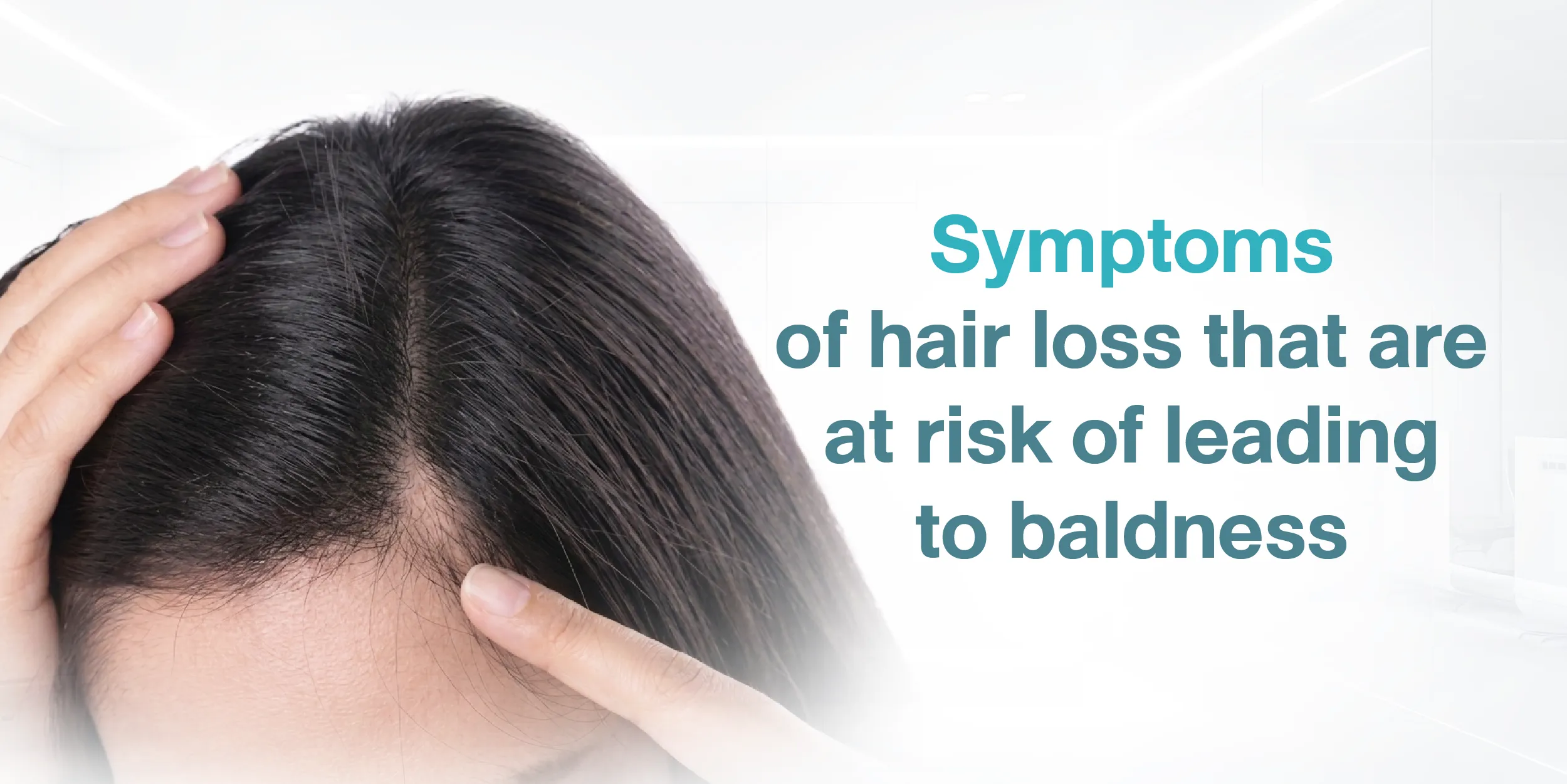
Symptoms of hair loss that are at risk of leading to baldness
Symptoms of hair loss that are at risk of developing into baldness often show early warning signs that can be observed in advance. If recognized in the early stage, it will help in choosing more appropriate care or treatment. The symptoms to watch for are as follows
- Excessive hair shedding, especially during shampooing or combing, with hair strands that become thinner and finer
- Widening hair part line or increasingly visible scalp, especially at the center of the scalp, which is commonly seen in female hair thinning
- Newly grown hair appears thin, flat, and weak, clearly different from existing hair strands
- Continuous hair loss over a long period, even after trying multiple hair loss solutions
- Frequent use of minoxidil medication or hair growth medication, but new hair growth is still not clearly visible or does not improve as expected
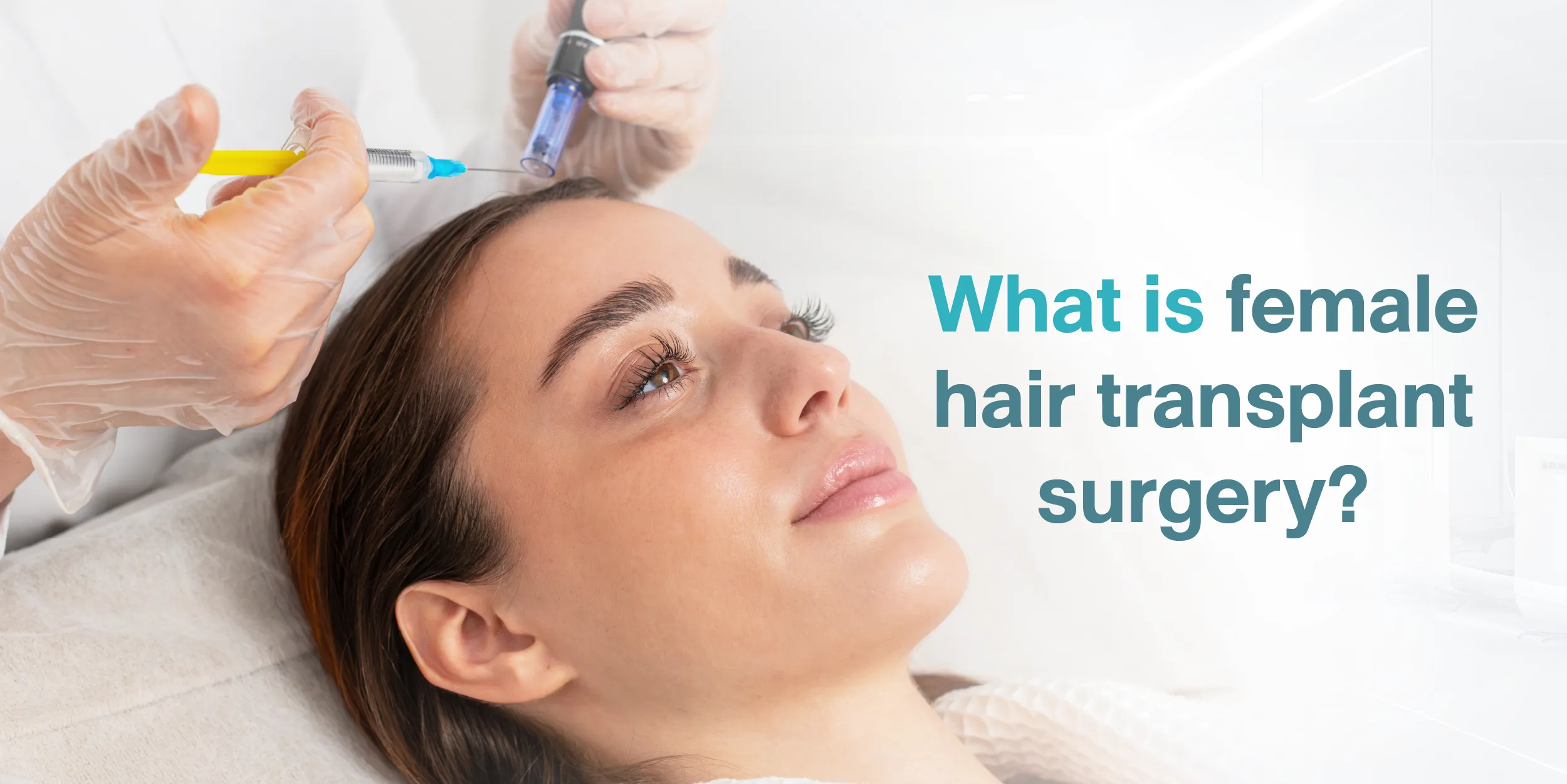
What is female hair transplant surgery?
Female hair transplant surgery is a medical treatment for hair thinning or baldness. It works by relocating strong hair follicles from donor areas, such as the back or sides of the scalp, to areas where the hair is thinning or balding. The transplanted follicles retain their original characteristics, meaning they are strong and not easily affected by hair loss factors, allowing them to grow naturally and last in the long term.
Female hair transplant focuses on designing the hairline to match each person’s facial structure and hair characteristics, ensuring natural-looking results that blend with existing hair and reduce concerns about female hair thinning in daily life. Compared to using minoxidil medication, which helps slow hair loss or stimulate early-stage hair growth, hair transplant surgery is more suitable for those with significant baldness or noticeable thinning and who want long-term, lasting results.
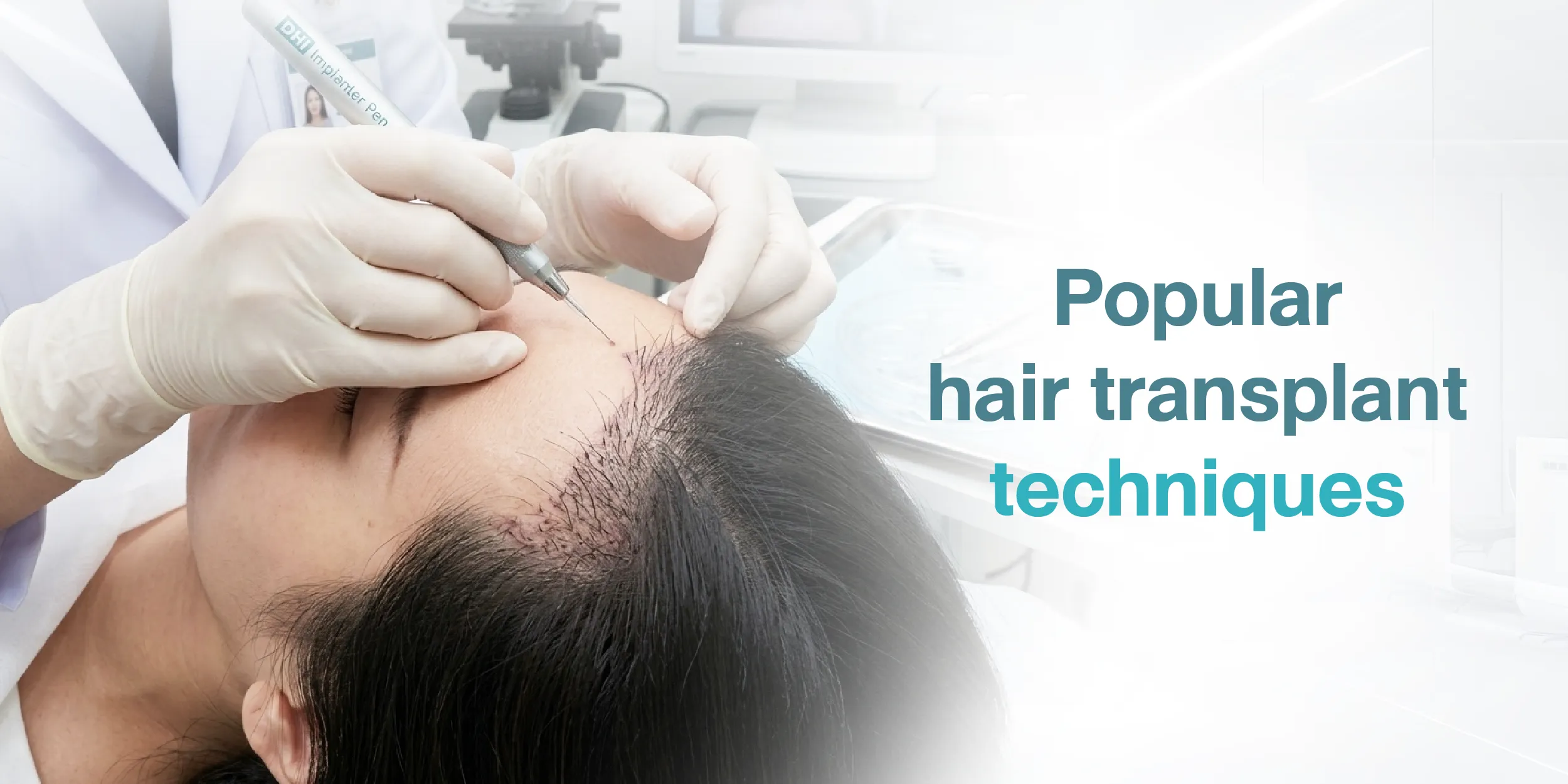
Popular hair transplant techniques
The techniques used in female hair transplant come in several forms. Doctors will select the most suitable method based on the severity of baldness, the condition of female hair thinning, and the individual scalp condition to ensure natural-looking and safe long-term results. The two most commonly used techniques are as follows:
-
FUE (Follicular Unit Extraction)
This method involves extracting hair follicles as small graft units one by one without major surgery. It helps reduce scarring and recovery time. It is suitable for women who want a faster recovery and have early to moderate levels of hair thinning.
-
DHI (Direct Hair Implantation)
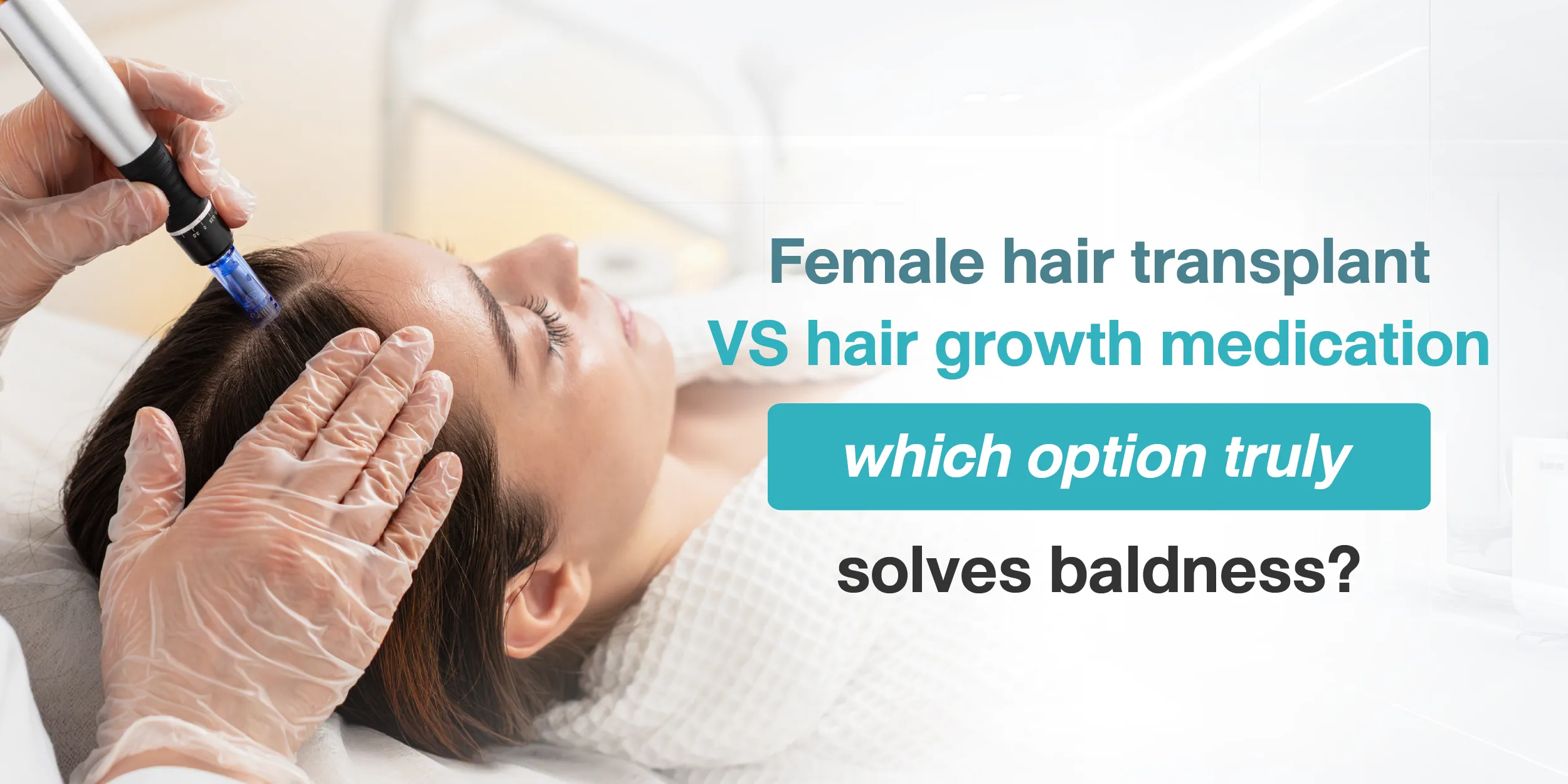
This technique uses a specialized implantation pen to precisely control the depth, angle, and direction of each hair strand. It is suitable for designing the front hairline or areas that require high precision. This method helps the newly implanted hair look more natural and is suitable for those with weak hair roots or more noticeable hair thinning.
What is hair growth medication?
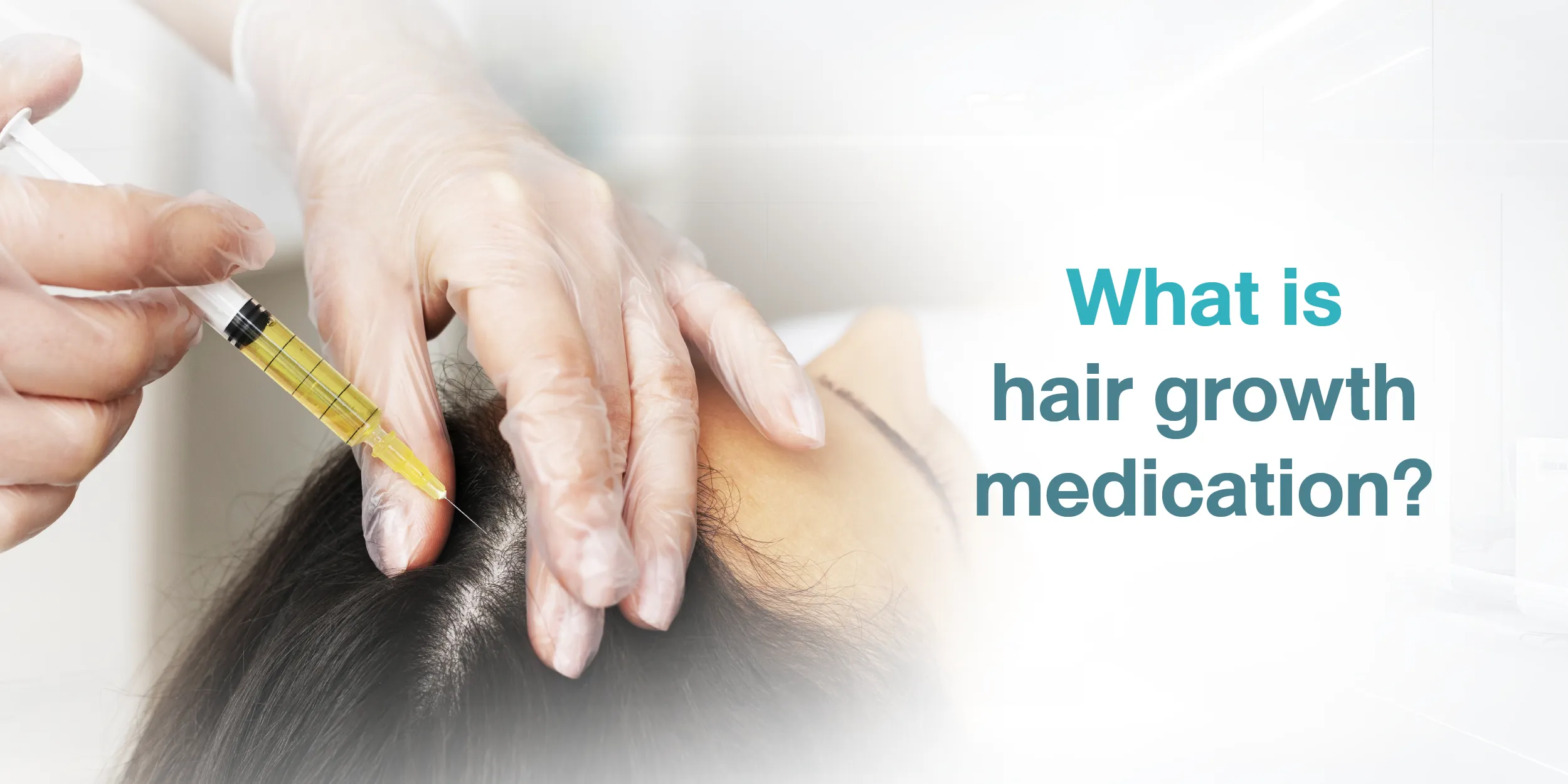
Hair growth medication is a method for managing and treating baldness or early-stage hair loss. It focuses on slowing down the shedding of existing hair and stimulating new hair growth by adjusting the hair growth cycle. The most commonly used medication is minoxidil, which works by increasing blood circulation in the scalp, helping hair follicles receive more nutrients and extending the growth phase of the hair cycle.
However, hair growth medication does not create new hair follicles in areas where the follicles are permanently damaged. Therefore, it is more suitable for people with early-stage hair loss or female hair thinning, rather than those with clearly visible baldness. In addition, the medication must be used continuously; if stopped, newly grown hair may fall out again. This makes many people consider between hair growth medication and female hair transplant.
Does hair growth medication really treat baldness?
It can help in some cases, but it is not a definitive solution, especially for those in the early stages of hair loss or thinning. Using hair growth medication helps slow down hair shedding and stimulates new hair to grow thicker and stronger.
However, if the main cause is permanently damaged hair follicles or long-term weak hair roots, using hair growth medication or minoxidil medication may not be able to restore hair density as expected. In addition, it requires continuous use; if stopped, newly grown hair may fall out again.
Therefore, hair growth medication is suitable for those who want to slow down hair loss and do not yet have obvious baldness. But for those with severe thinning or chronic hair loss where the scalp is already visible, choosing a more direct treatment method may provide more sustainable long-term results.
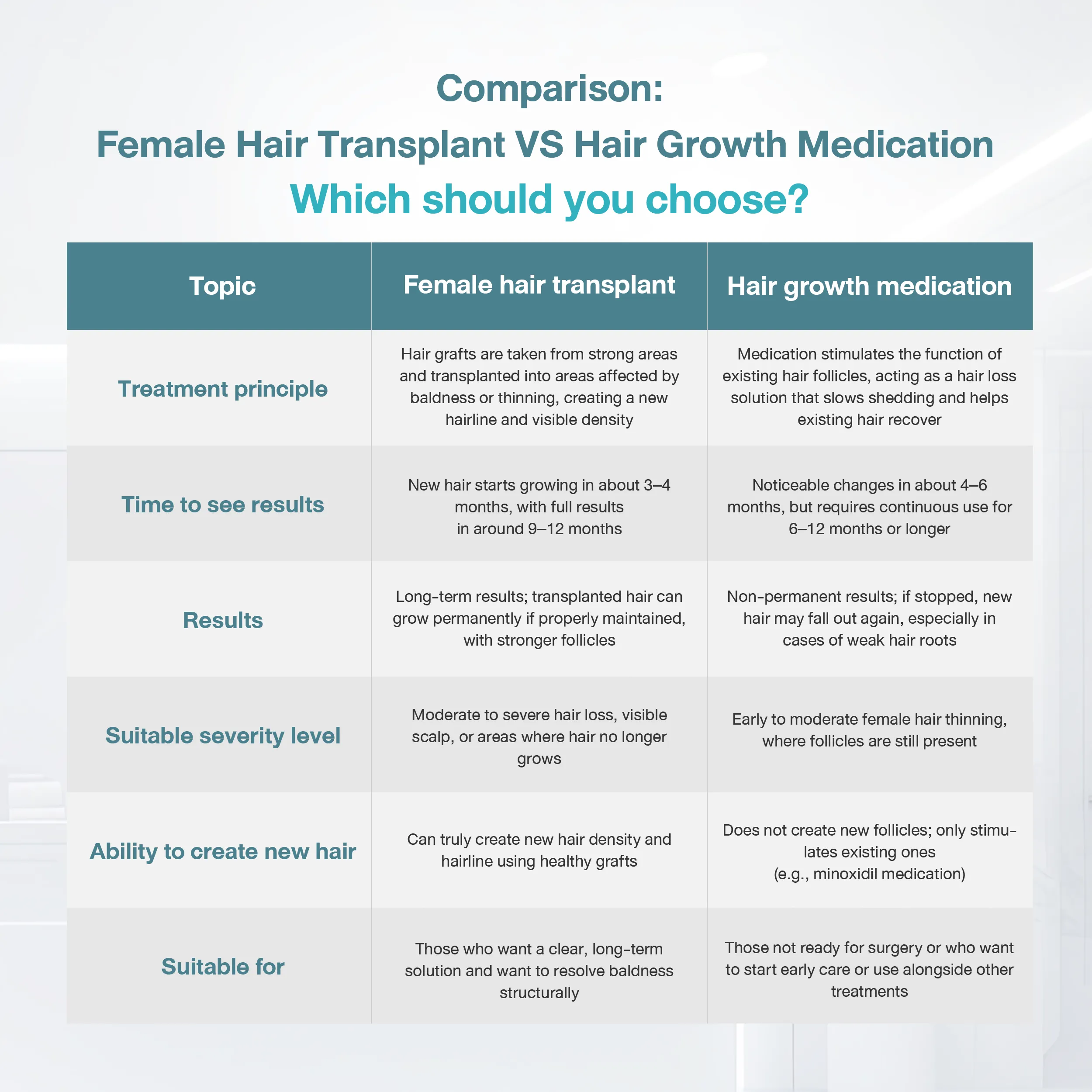
Comparison: Female Hair Transplant VS Hair Growth Medication Which should you choose?
| Topic | Female hair transplant |
Hair growth medication |
| Treatment principle | Hair grafts are taken from strong areas and transplanted into areas affected by baldness or thinning, creating a new hairline and visible density | Medication stimulates the function of existing hair follicles, acting as a hair loss solution that slows shedding and helps existing hair recover |
| Time to see results | New hair starts growing in about 3–4 months, with full results in around 9–12 months | Noticeable changes in about 4–6 months, but requires continuous use for 6–12 months or longer |
| Results | Long-term results; transplanted hair can grow permanently if properly maintained, with stronger follicles | Non-permanent results; if stopped, new hair may fall out again, especially in cases of weak hair roots |
| Suitable severity level | Moderate to severe hair loss, visible scalp, or areas where hair no longer grows | Early to moderate female hair thinning, where follicles are still present |
| Ability to create new hair | Can truly create new hair density and hairline using healthy grafts | Does not create new follicles; only stimulates existing ones (e.g., minoxidil medication) |
| Suitable for | Those who want a clear, long-term solution and want to resolve baldness structurally | Those not ready for surgery or who want to start early care or use alongside other treatments |
Tips for keeping hair strong, thick, and healthy
Healthy, strong hair is not only determined by genetics but also daily care habits. Proper scalp and hair care can reduce the risk of female hair thinning and long-term baldness:
- Choose a gentle shampoo suitable for your scalp to reduce irritation and prevent weak hair roots
- Gently massage the scalp while washing to stimulate blood circulation and nourish hair follicles
- Avoid excessive heat styling such as frequent blow-drying or straightening, which weakens hair strands
- Eat protein, vitamin B, iron, and zinc-rich foods to support hair growth from within
- Reduce stress and get enough rest, as stress directly affects the hair cycle and may increase reliance on hair growth medication
- Avoid frequent chemical treatments such as dyeing, perming, or bleaching, which damage hair structure
Summary
Maintaining strong hair and reducing female hair thinning should start with proper daily care combined with suitable treatment choices. For early-stage hair loss, consistent use of hair loss solutions and lifestyle adjustments may help slow shedding. However, if signs of baldness or significant thinning appear, indicating weakened follicles or long-term weak hair roots, general care alone may not be enough.
For those seeking long-term results and root-cause treatment, female hair transplant is a more effective option. Choosing DHI hair transplant Bangkok or advanced techniques such as DHI Thailand can help design a natural hairline tailored to each individual. It is important to choose a qualified hair transplant clinic to ensure safety and long-lasting results.