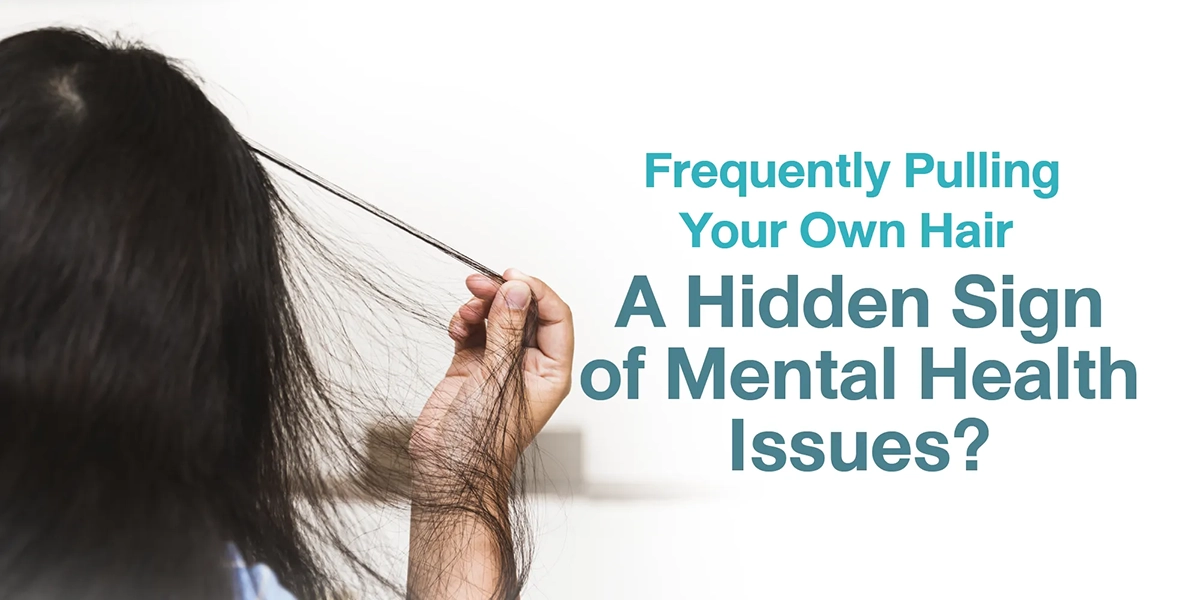
People with this condition often don’t recognize that pulling out their own hair is harmful. Instead, they feel temporary relief when doing it a sensation that reinforces the behavior until it becomes an unconscious habit. Over time, this can cause patchy hair loss, scalp irritation, or even inflammation, leading to self-consciousness and, ultimately, even greater stress.
Although Hair-Pulling Disorder might sound concerning, it’s a treatable condition that can improve with the right care from professionals experienced in both mental health and hair health. Understanding the root cause is the first step toward recovery.
In this article, we’ll explore what Hair-Pulling Disorder really is its causes, symptoms, and treatment approaches to help you regain confidence and restore both your hair and mental well-being.

What Is Hair-Pulling Disorder?
Hair-Pulling Disorder (Trichotillomania) is a type of psychological condition in which individuals repeatedly and uncontrollably pull out their own hair, even when they know it causes damage to their scalp or hair. Sufferers often feel a brief sense of relief or satisfaction during the act but later experience guilt, shame, or increased stress, creating a repetitive cycle that’s difficult to break without help.
The condition is often triggered by emotional factors such as stress, anxiety, or pressure from daily life. Some people do it unconsciously while thinking, reading, or watching TV until noticeable patches of hair loss appear. In more severe cases, scalp inflammation can develop from frequent or forceful pulling.
Though Trichotillomania might seem like a minor issue, it’s important to seek proper treatment and care, addressing both the psychological and physical aspects. Consulting a psychiatrist or a specialized hair clinic can help individuals better understand themselves, manage stress, and gradually recover both mentally and physically.
Causes of Hair-Pulling Disorder
The exact cause of Hair-Pulling Disorder (Trichotillomania) is still unclear, but studies suggest it is closely linked to psychological and emotional factors. It often begins with stress, pressure, or emotional instability. Individuals may face daily life problems such as relationship issues, work challenges, or academic stress. When feeling uneasy or tense, they may pull their own hair as a way to release tension or gain temporary relief.
In some cases, underlying mental health conditions such as anxiety disorders, obsessive-compulsive disorder (OCD), or depression can trigger or worsen the behavior. Repeated hair-pulling can become an unconscious habit, leading to patchy hair loss and, over time, even scalp inflammation.
Additionally, genetic factors and imbalances in brain neurotransmitters may play a role, making it harder for affected individuals to control their impulses. Understanding these multiple causes both psychological and biological is crucial for effective treatment and management of Hair-Pulling Disorder, addressing both mental well-being and hair health.

Symptoms of Hair-Pulling Disorder
Trichotillomania is a psychological condition that affects both the mind and body. People with this disorder often experience intense urges caused by stress, pressure, or emotional strain from work, studies, or relationships. The behavior can occur consciously or unconsciously, and when repeated, it becomes a deeply ingrained habit that is difficult to control.
Common symptoms include:
- Repetitive Hair Pulling
Individuals repeatedly pull out hair from the scalp, eyebrows, or eyelashes, either intentionally or unconsciously, especially during moments of stress or anxiety. - Tension Before and Relief After Pulling
Before pulling, they often feel uneasy, tense, or stressed but afterward, they experience a temporary sense of relief or calm, followed by guilt or shame. - Patchy Hair Loss and Scalp Inflammation
Repeated pulling causes uneven hair loss, making the scalp more visible. Some may develop scalp inflammation from pulling too forcefully or too often in the same area, which can take a long time to heal. - Accompanying Behaviors
Other related actions may include pulling body hair, biting, or chewing the pulled hair unconscious methods the body uses to relieve tension. - Emotional and Psychological Impact
Those with Hair-Pulling Disorder often feel ashamed or insecure about their appearance and may try to hide bald patches by wearing hats or wigs. This can lead to a loss of self-confidence, social withdrawal, and increased stress, perpetuating the cycle of hair-pulling behavior.

Effects of Hair-Pulling Disorder (Trichotillomania)
Hair-Pulling Disorder (Trichotillomania) not only affects one’s physical appearance but also deeply impacts a person’s mental health and daily relationships. The repetitive act of pulling one’s own hair often begins as a response to stressor emotional pressure, gradually developing into a cycle that’s difficult to control. Without proper care, the symptoms can worsen over time, causing both physical and psychological harm.
Effects on Hair and Scalp Health
Repeated hair-pulling leads to patchy hair loss, as new hair grows back slowly or sometimes fails to regrow entirely. Excessive or frequent pulling can cause wounds, redness, or even scalp inflammation, increasing the risk of infection or chronic irritation that may require medical treatment from a specialist.
Effects on Mental Health and Self-Confidence
Those with this condition often feel anxious and lose confidence due to thinning hair, sometimes leading to emotional distress or depression. When hair loss becomes visible, feelings of shame, isolation, and stress can intensify, causing sufferers to unconsciously repeat the hair-pulling behavior as a coping mechanism. This cycle of guilt and emotional strain can be difficult to break without support.
Effects on Relationships and Daily Life
Living with Hair-Pulling Disorder can affect a person’s overall quality of life. Many patients avoid social situations, withdraw from relationships, or struggle with low self-esteem due to the visible effects of self-hair plucking. Frequent hair-pulling may also interfere with work, studies, or daily responsibilities, increasing emotional exhaustion.
For long-term recovery, it’s important to receive proper physical and psychological care to restore confidence and emotional balance, helping individuals reclaim a fulfilling, healthy life.

How to Stop Hair-Pulling and Treatment Options for Trichotillomania
Treating Hair-Pulling Disorder (Trichotillomania) requires addressing both the psychological and physical aspects simultaneously. This condition often stems from stress, emotional pressure, or unresolved daily life problems, which accumulate into deeper mental distress. Therefore, patients should be properly assessed by specialists to determine the most effective and safe treatment approach covering psychiatric care, behavioral therapy, and hair restoration once recovery begins.

Psychiatric Treatment and Psychotherapy
The main therapeutic approach is Cognitive Behavioral Therapy (CBT), which helps patients identify emotional triggers that lead to hair-pulling behavior and develop coping strategies before the urge arises. In some cases, doctors may prescribe medications to reduce anxiety or depressive symptoms commonly associated with Trichotillomania.
Consistent therapy can gradually decrease the urge to pull hair, helping patients regain control and prevent relapse in the long term.

Behavioral Adjustments to Reduce Stress
Managing stress is the key to overcoming the habit. Patients are encouraged to engage in stress-relief activities such as exercising, meditating, journaling, or practicing deep breathing to help regulate emotions during tense moments.
Creating a calm, supportive environment with encouragement from family and loved ones also plays a vital role in improving recovery outcomes.

Scalp and Hair Care After Recovery
Once the hair-pulling behavior subsides, it’s important to focus on scalp and hair restoration to prevent further patchy hair loss or scalp inflammation. Choose gentle, natural-based hair care products, such as mild shampoos and nourishing serums that promote scalp health.
For patients seeking professional recovery and visible results, DHI Thailand provides specialized hair restoration and regrowth treatments designed to stimulate new hair growth and restore self-confidence.
Stimulating new hair growth helps restore your confidence, and today there are advanced technologies that support natural hair regeneration such as FRM (Follicular Regenerative Matrix) and ALMI (Autologous Lipocyte Micrograft Injection). These treatments use your own hair follicle cells to repair and stimulate hair roots, allowing them to function naturally again. The result is stronger, denser new hair growth and a renewed sense of confidence.
Summary
Trichotillomania is a psychological condition caused by stress, anxiety, or daily life problems. Although many sufferers are aware that pulling their own hair can damage the scalp, they often find it difficult to stop, leading to patchy hair loss or scalp inflammation.
If left untreated, it can affect both mental health and self-confidence. Understanding the root causes and seeking early, appropriate treatment are essential steps toward restoring both emotional balance and hair health.
If you are experiencing hair thinning or scalp problems due to frequent self-hair plucking and have lost confidence, DHI Thailand with our team of experienced hair restoration specialists is ready to help.
We provide personalized consultations, modern technologies, and specialized care plans tailored to your needs, helping you regain confidence and achieve strong, healthy hair once again.