Embarking on a GFC journey for hair restoration involves more than just the procedure itself. To maximize the benefits of this innovative treatment, it’s important to understand how to prepare beforehand, the treatment experience, the necessary GFC aftercare, and what improvements to expect in the GFC results timeline over the first six months post-treatment
In this comprehensive guide, we’ll walk you through every stage of the GFC journey – from the initial consultation and preparation steps, through the day of the procedure, and into the aftercare routine and results you can anticipate at 1, 3, and 6 months. GFC (Growth Factor Concentrate) is an advanced hair loss treatment offered at DHI Thailand by specialized hair restoration doctors using state-of-the-art technology. With the right knowledge and support from expert providers like DHI Thailand, you can approach this journey with confidence and clear expectations at each step

Before GFC: Preparation Checklist and Questions to Ask Your Doctor
Initial Evaluation: Before undergoing GFC, you will have an initial consultation where an expert doctor examines your hair and scalp condition in detail. They will determine if GFC is suitable for your specific hair loss situation. GFC is a procedure that uses your own blood to create a concentrated growth factor serum which is then injected into your scalp to stimulate hair regrowth – a technique that is very safe (since it uses your own blood, minimizing allergy risks) and has been shown to strengthen hair and reduce hair fall effectively. Once it’s confirmed that you’re a good candidate, it’s time to prepare for the treatment day
Pre-Treatment Preparation: In the days or weeks leading up to your GFC appointment, follow any guidelines provided by your doctor. You may be advised to stop or avoid certain medications and supplements that can affect blood clotting or healing. For example, doctors often recommend refraining from aspirin or other blood thinners and possibly hair loss topical treatments a few days before treatment. It’s also common to minimize alcohol intake and avoid smoking in the days prior, as these can impact blood quality and circulation. Make sure to get adequate rest the night before and eat a healthy meal on the day of treatment (unless instructed otherwise) to avoid lightheadedness during the blood draw. Washing your hair thoroughly the night before or morning of the procedure is advised – come in with clean, product-free hair and scalp. This ensures a clean environment for the injections and better efficacy. Comfortable clothing is recommended on the day of treatment, as you’ll be lying down for a while during the procedure
Questions to Discuss with Your Doctor: It’s perfectly normal to have questions, and you should go into your GFC treatment with a clear understanding of the process. Prepare a list of questions for your doctor during your pre-treatment consultation. Some important questions might include:
- “How many GFC sessions will I need?” – In many cases, significant improvement can be achieved with just one or a few sessions because GFC’s concentrated growth factors are very potent. However, depending on your condition, the doctor might suggest a series of treatments or periodic maintenance sessions. Know the plan in advance
- “When can I expect to see results?” – Ask about the timeline of hair regrowth and what signs of progress to look for at 1, 3, and 6 months (we’ll detail typical timelines below)
- “What should I do or avoid before and after the treatment?” – Ensure you’re clear on all pre-appointment instructions (like avoiding certain activities or substances) and all aftercare steps, such as how to wash your hair or care for the injection sites
- “Are there any side effects or risks?” – GFC is considered very safe with minimal risks since it’s using your own blood. There’s no surgery involved and hence no scarring. Common side effects are usually minor, like temporary redness or mild swelling on the scalp. Discuss any specific health conditions you have so the doctor can address how those might factor in
- “Should I continue my current hair loss medications or supplements?” – If you’re on treatments like minoxidil or finasteride, confirm with the doctor whether you should pause them around the time of the GFC treatment or continue as usual
Clarifying these points will help you feel more at ease and ensure you’re fully prepared. By the end of your consultation, you should have a clear checklist of do’s and don’ts before your GFC session and feel confident about moving forward

On the Day of GFC: Procedure Steps, Sensations, and Duration
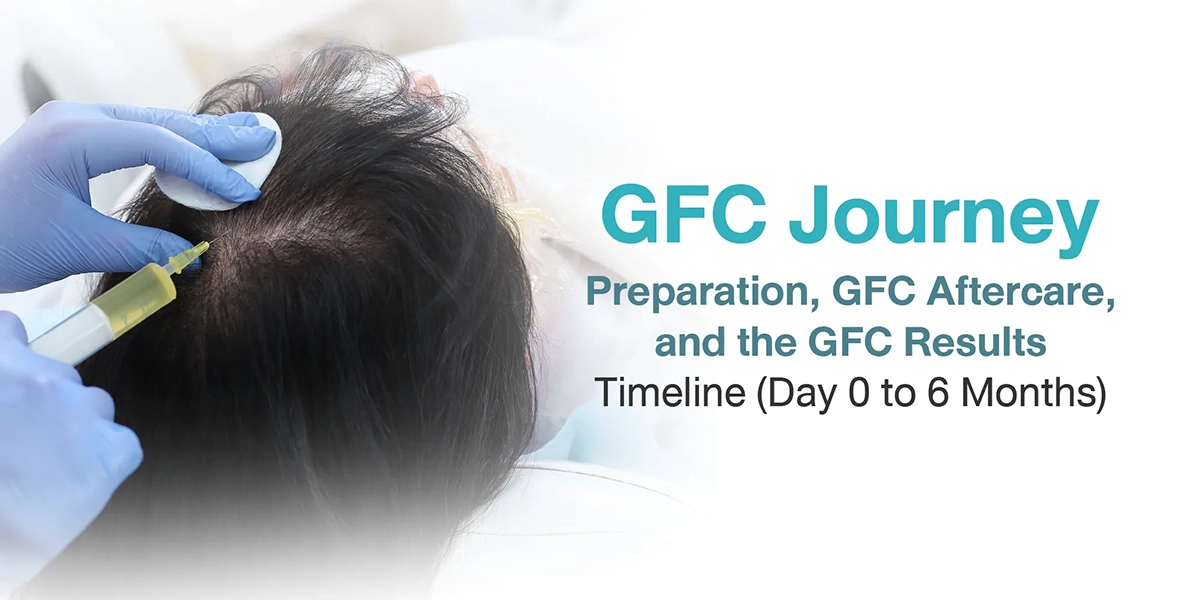
Image: A patient receiving a GFC injection into the scalp to stimulate hair growth. The procedure is minimally invasive and performed by expert hair restoration doctors. The GFC treatment process is straightforward and completed in a single visit. Here’s what typically happens on the day of your GFC procedure:
- Check-in and Prep: You’ll arrive at the clinic at the scheduled time. The staff will review your case, have you sign any consent forms, and might take “before” photographs of your scalp for future comparison. Your scalp will then be cleansed thoroughly to ensure a sterile working area. A numbing cream or a local anesthetic may be applied to your scalp to minimize any discomfort during injections
- Blood Draw: The doctor or nurse will draw a small sample of your blood (usually around 20–30 ml, similar to a routine blood test). This process is quick and feels like a normal blood test with a needle prick in your arm
- GFC Processing: The blood sample is taken to a lab room on-site where it is processed using a specialized centrifuge or filtration system. This step concentrates the platelets and growth factors from your blood and mixes in an activating agent. The result is the GFC serum, rich in growth factors that will stimulate your hair follicles. This preparation typically takes about 30 minutes. During this time, you can relax – some clinics provide a comfortable waiting area or you might remain in the treatment chair
- Scalp Injections: Once the GFC serum is ready, the doctor will carefully inject it across the areas of your scalp that need treatment. A very fine needle is used, and injections are typically done in a grid-like pattern to cover all thinning areas. Patients usually feel little to no pain; at most, a mild pressure or pinprick sensation. Thanks to the precise injection technique and the use of your body’s own healing factors, most people experience no stinging or significant pain during the injections, making the treatment quite tolerable. This step can take around 20–30 minutes depending on the size of the area being treated
- Post-Injection Observation: After the injections, you may rest for a short while. The medical team might apply a soothing saline or antiseptic spray to your scalp. You’ll be observed for 15–30 minutes to ensure there are no immediate reactions (which are rare, given the autologous nature of GFC). You’ll also receive final instructions for aftercare before you leave
The entire visit often lasts about 1 to 2 hours from start to finish. One of the advantages of GFC treatment is that there is no surgery, no incisions, and essentially no downtime required – you won’t have any stitches or wound care to manage afterward. Many patients even return to their normal daily activities the next day. It’s a good idea, however, to have a friend or family member accompany you or drive you home, especially if you feel a bit lightheaded after the blood draw or simply for peace of mind. But physically, you should be able to walk out of the clinic and resume light activities immediately, feeling only minimal effects from the procedure
Post-GFC (Days 0–7): Aftercare and Things to Avoid
The first week after your GFC treatment is a crucial time for healing and ensuring the growth factors can do their job effectively. GFC is non-surgical, so the aftercare is relatively simple, but it’s important to follow all guidelines closely to avoid disturbing your scalp and to prevent any irritation or infection. You might experience some mild soreness, redness, or swelling on the scalp on the first day or two – this is normal and usually subsides quickly. Below are the key aftercare steps and things to avoid in the first 7 days:
- Do not wash your hair for 24 hours: Keep your scalp dry on the day of the treatment and the following day. Avoid washing your hair in the first 24 hours post-treatment to allow the injection sites to begin healing and to not wash away any of the GFC too soon. After 24 hours, you can gently wash your hair with a mild shampoo, but follow any specific washing instructions your doctor gave you
- Avoid scratching or rubbing the scalp: Your scalp might feel a bit itchy or tender as it heals, but resist the urge to scratch vigorously or massage the area. Scratching can disturb the healing process and potentially introduce bacteria. Keep the injection areas clean and let any small scabs that form fall off on their own
- Skip strenuous activity and heat exposure: For the first week, avoid heavy exercise or any activity that causes excessive sweating. Intense physical exertion or environments like saunas and steam rooms should be off-limits during the initial 7 days. Excessive sweat and heat can irritate the scalp and possibly increase inflammation, which might interfere with the healing of hair follicles
- No swimming or hair treatments: It’s also wise to avoid swimming (both pools and the sea) during this first week, as well as hair treatments like coloring, perms, or using strong chemicals. Chlorine in pools and other chemicals can irritate injection sites. Likewise, don’t apply hair oils, minoxidil, or other topical products unless your doctor has cleared them during the first few days
- Follow your doctor’s instructions: Your physician will likely provide personalized aftercare instructions, which may include using a prescribed gentle shampoo, topical antibiotics to apply on the injection sites, or even a saline spray to keep the area clean. They’ll also inform you about any signs of complication to watch out for (though serious side effects are very uncommon). Adhering strictly to your doctor’s aftercare guidelines is vital to achieving the best outcome. If you’ve been given any medication (like an anti-inflammatory or pain reliever safe to use, typically acetaminophen rather than ibuprofen), take it as directed. However, avoid anti-inflammatory medicines like ibuprofen unless your doctor approves, because inflammation is part of the healing process for growth factors
During the first week, it’s also recommended to avoid smoking and limit alcohol consumption. Smoking can constrict blood vessels and delay healing, while alcohol can thin your blood and potentially increase bruising or slow recovery. Maintain a healthy diet rich in protein, vitamins, and stay hydrated to support your body’s regenerative processes. Most people find the aftercare quite manageable since it mostly involves caution and good hygiene. By the end of the first week, your scalp should be healing well, and you’ll be ready to return fully to your normal hair care routine and activities in the weeks thereafter
GFC Aftercare and GFC Results Timeline (Months 1–3–6): Recognizing Progress
Proper GFC aftercare isn’t just important in the first week – continuing gentle care in the following weeks and months will help ensure that your GFC results timeline stays on track and yields the best possible outcome. By taking care of your scalp and overall health, you support the newly stimulated hair follicles as they go through their growth cycle. Let’s break down what you can typically expect at the 1, 3, and 6-month milestones after your GFC treatment, and how to maintain your results during this period:
- Month 1: In the first month, don’t be discouraged if you don’t see major visible changes yet. It’s common that by around 4 weeks post-treatment, the most noticeable effect is a reduction in hair shedding. You may observe fewer hairs falling out when you shower or comb your hair, which is a sign that the treatment is working to strengthen your existing hair. Some patients also report that their hair texture and quality improve – existing hairs might feel a bit thicker or healthier. If you had any slight scabbing from injection points, those will have cleared up by now. You might see very fine “baby hairs” starting to emerge in areas that were thinning, but these can be hard to notice at first. The key at this stage is that the hair loss has stabilized or slowed, setting the foundation for new growth to come in the next couple of months
- Month 3: Three months after the GFC treatment, many patients start to see more visible changes. By around the 3-month mark, new hair growth becomes noticeable. Those tiny baby hairs that started growing earlier are now longer and thicker, making them easier to see. You may find that your overall hair volume has increased – areas that were sparse have more coverage. Photographs at this stage often show a clear “before and after” difference compared to pre-treatment, especially in terms of hair density. Hair strands that existed before the treatment could also be stronger and possibly a bit thicker due to the improved health of the hair follicles. Essentially, around 3 months is when the early results of GFC really surface: your hair should be falling out less and new hairs are actively growing to replace what was lost. Many people also note improvements in their scalp health; for instance, less dandruff or irritation, as the treatment can improve scalp circulation and condition
- Month 6: Six months post-GFC is generally considered the point by which the full effects of the treatment have become apparent. By this time, the new hairs that started growing in have had time to mature and add noticeable fullness to your scalp. Expect significantly thicker and fuller hair in the treated areas compared to your starting point. Any thinning patches should show considerable improvement – some might be virtually unnoticeable now if the treatment has been very successful and if there were dormant follicles to revive. Hair that grew in as a result of the GFC therapy will have had a few months to cycle and strengthen, contributing to overall improved hair texture and coverage. Your hairline, if it was receding, may have filled in to some degree with new growth (though results vary per individual). By the 6-month mark, patients often report a major boost in confidence because their appearance has improved visibly. It’s also around this time that you’ll likely have a follow-up with your doctor to assess the success of the treatment (more on follow-ups in the next section)
Throughout months 1 to 6, continuing a good hair care routine is beneficial. This means using mild shampoos, avoiding excessive heat styling, eating well, and perhaps continuing any adjunct therapies your doctor recommended (such as topical minoxidil or oral supplements, if they are part of your plan). The good news is that GFC’s effects are long-lasting. Many patients enjoy the improved hair density for a long time after treatment, especially because GFC is designed to address the root causes of hair thinning by rejuvenating the follicles. In fact, GFC has been shown to deliver results that are not only faster but also more sustainable than standard PRP treatments, even with fewer sessions. This means you likely won’t need to undergo multiple sessions back-to-back to maintain results – often, a single treatment or a short series of treatments yields significant benefits. Your doctor will advise if any booster session is recommended; in many cases, clinics might schedule a second GFC session around 6–12 months later, but this varies. Some individuals may choose to do a repeat treatment annually or biannually to maintain results, but others find that their hair remains much improved for a longer period without additional sessions. Every person’s hair growth cycle and response is a bit different, so your 6-month results discussion with the doctor will guide the next steps (if any) in your hair restoration plan

Follow-Up: When to Schedule Checkups and Take Comparison Photos
Follow-up appointments are an important part of the GFC journey. DHI Thailand and most reputable clinics will schedule checkups with you to monitor your progress and ensure everything is on track. Typically, you might have your first follow-up around 1 month after the procedure. During this visit, the doctor will examine your scalp, ask about any shedding or changes you’ve noticed, and make sure there are no issues. The next follow-up is often around the 3-month mark to evaluate early results – at this point, some new hair growth should be evident. A 6-month follow-up is commonly done to assess the full outcome of the treatment. At each of these visits, the clinic may take standardized photographs of your hair/scalp. Comparing these photos side by side can be very encouraging as you and your doctor can clearly see improvements in hair density and thickness that you might not notice day-to-day. These comparisons help in objectively measuring the success of the GFC treatment
In addition to clinic follow-ups, it’s a great idea for you to personally document your journey. Take clear photos of your hair before the treatment (or use the ones the clinic takes as your “before” reference). Then take another set of photos at home around 3 months and again at 6 months post-treatment. Try to take them in the same lighting and from the same angles for accuracy. This personal record, along with the clinic’s evaluations, will show you just how far you’ve come – sometimes the changes are gradual and having pictures to look back on can highlight subtle improvements, like a slowly filling bald spot or a widening of your hair part that has narrowed
If at any point you’re concerned about your progress (for example, if you expected more growth by a certain time), bring it up with your doctor. They can explain whether your results are within the normal range or if any additional treatments might be beneficial. Remember that factors such as ongoing hormonal changes, genetics, or not following aftercare can influence results. The doctor might suggest supplementary treatments or lifestyle adjustments if needed. On the flip side, if your results are excellent, follow-ups become occasions to celebrate your regained hair and possibly discuss long-term maintenance to keep your hair in its best shape. Because GFC results tend to last, you may not need another session for quite some time, but keeping in touch with your hair restoration specialist ensures you can nip any future shedding in the bud with timely care
Staying engaged in follow-ups with DHI Thailand’s team means you have professional guidance throughout the six months and beyond. The experts there will personalize advice to your situation, helping you maintain the health of your scalp and hair. They can also update your treatment plan if necessary – for instance, recommending another GFC session or other supporting therapies down the line if you and the doctor feel it’s needed. The goal of follow-up care is to ensure that you get the most out of your GFC journey and enjoy your results for as long as possible
Conclusion
The journey through a GFC treatment – from the careful preparations, through the day of the procedure, and onto the months of watching your hair grow stronger – is one that can yield transformative results for those struggling with hair loss. By the end of six months, many patients find their hair is not only fuller and thicker, but their confidence is greatly restored along with their hairline. GFC offers a safe, effective path to tackling hair thinning by harnessing your body’s own growth factors. With minimal downtime and a high safety profile, it’s an attractive option for individuals looking for a non-surgical solution.
If you follow the recommended guidance – preparing well, adhering to all the aftercare instructions, and attending your follow-ups – you greatly increase your chances of success. Patience is key, as hair growth does take time, but the changes within half a year can be remarkable. DHI Thailand, as a leading provider of this treatment, has the expertise and technological edge to support you at every step of this journey. In fact, undergoing GFC with DHI Thailand means you’re in the hands of specialists trained to the highest standards of DHI Global, working with advanced GFC technology to deliver superior outcomes. With their personalized care and commitment to excellence, you can trust that your GFC journey will be handled with utmost professionalism and safety. Here’s to reclaiming healthier, stronger hair and enjoying the renewed confidence that comes with seeing real results over the first 6 months and beyond!