
Services
Scalp Micropigmentation
Scalp Micropigmentation Service
Scalp Micropigmentation Service: DHI Scalp Micropigmentation Boosts Confidence Without Surgery
In an era where outward appearance plays a crucial role in building confidence and personality, clear and natural hairlines undoubtedly help to make the face look more dimensional, youthful, and boost confidence significantly. This is especially true for those facing issues with thinning hair, a broad forehead, or a receding hairline, which often leads to feelings of insecurity in daily life. For this reason, the scalp micropigmentation service has become another viable option, particularly when carried out under the specialized technique of DHI Scalp Micropigmentation, which is developed from Scalp Micropigmentation (SMP), a technology from DHI Global, a global innovation that helps boost confidence effectively without the need for surgery or lengthy recovery.


While scalp micropigmentation does not naturally grow hair, this process can create the illusion of thicker-looking hair seamlessly, as if it were real hair. It also effectively conceals scars from accidents, surgery, or even scars from hair transplants that are still visible. With continuously developed techniques, this service is ideal for those looking to refine their hairline and enhance their look without invasive procedures. This article will take you through the details of scalp micropigmentation, including the benefits of scalp micropigmentation, the process, and self-care after the procedure, to help you make a more confident decision.
DHI Scalp Micropigmentation Boosts Confidence: A New Non-Surgical Option
The technique of DHI Scalp Micropigmentation is a form of Scalp Micropigmentation (SMP), an aesthetic innovation that uses small needles to implant pigments into the scalp area where hair is thinning, such as the hairline, forehead, or crown. The purpose is to mimic the appearance of hair follicles or short-cut hair, making it seem as if there is actually thicker hair. This technique is suitable for both men and women who want a bolder look, boost confidence, or have patchy hair thinning without wanting surgery, especially for those who have had a hair transplant but want to further refine their hairline. The highlight of DHI scalp micropigmentation is its high precision, the use of safe medical-grade pigments, and the coloring technique that can be tailored to each individual’s hair color, skin tone, and face shape in detail.

What is Scalp Micropigmentation?
Scalp micropigmentation, or in some cases called hair stubble tattooing, is a cosmetic procedure that uses small needles to implant pigments into the superficial skin layer of the scalp, especially the hairline, forehead, or areas where hair is thinning. The main purpose is to create the illusion that the area still has hair or “hair stubble,” which resembles a haircut that is about 1–2 millimeters long, making the scalp in that area look denser without hair transplantation or adding real hair.
Furthermore, scalp micropigmentation can design a hairline that suits each individual’s facial structure naturally. Whether it is designing a curved, straight, or M-shaped hairline, it can be adjusted to fit the client’s face. Although scalp micropigmentation cannot increase the actual number of hairs like a hair transplant, it is an effective way to conceal hair thinning seamlessly, add dimension to the face, and help clients look more confident, bolder, and visibly younger, especially from side or front views where they previously felt insecure.
Why Do Modern Men Choose Scalp Micropigmentation Over Hair Transplants?
In an era where everything needs to be fast-paced and many want immediate results, scalp micropigmentation has become a popular choice for modern men facing receding hairlines or partial baldness, especially those who want to address their appearance issues but do not want to undergo surgery or wait for long-term results like permanent hair transplants. There are several key reasons why scalp micropigmentation is popular among men today:
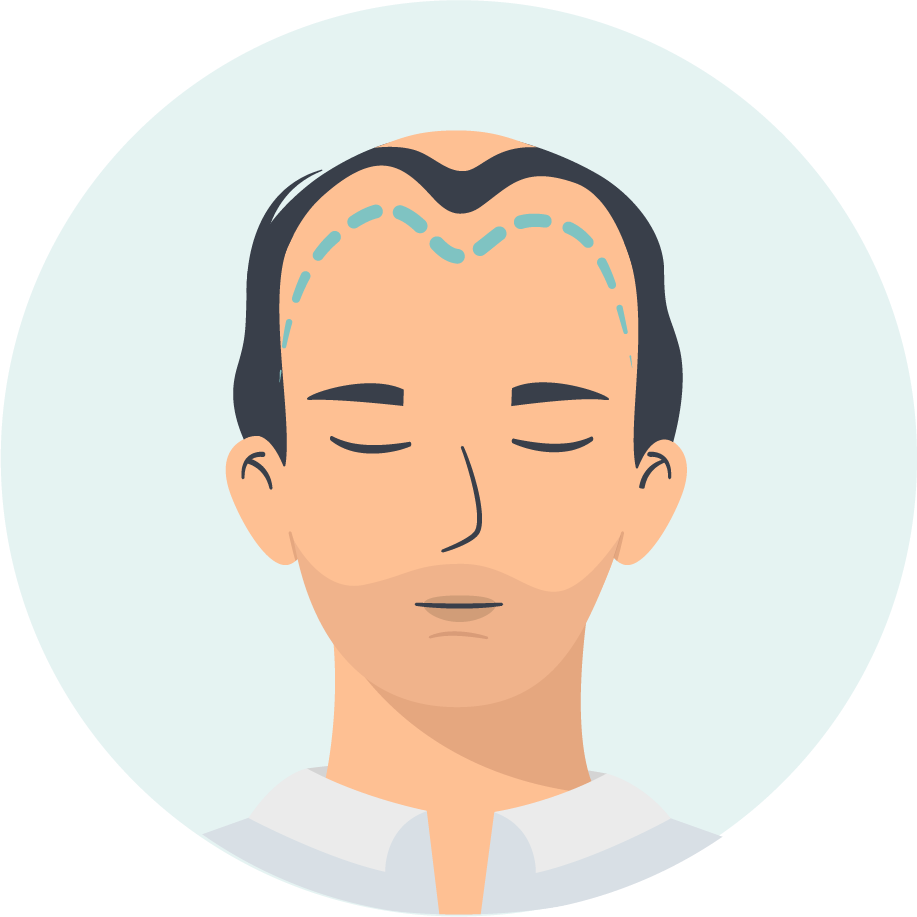
No Surgery Required: Scalp micropigmentation is a procedure that does not require knives or surgery. Therefore, there are no wounds, no stitches, and most importantly, no long recovery time, allowing individuals to return to their daily lives almost immediately.
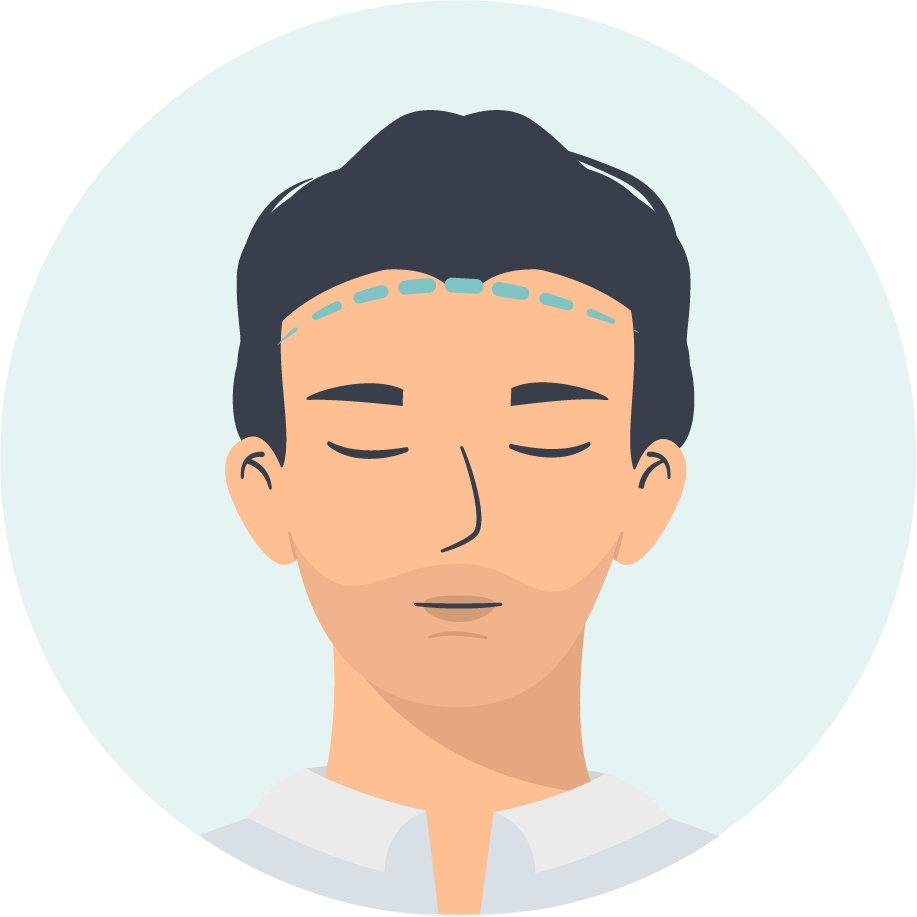
Immediate Results After the Procedure: After the procedure, clients will immediately notice a clearer hairline without having to wait for hair to grow back or spend several months seeing changes like with a hair transplant.

More Affordable Cost: In terms of cost, scalp micropigmentation is significantly cheaper than a permanent hair transplant, making it suitable for those who want a more affordable solution but still get satisfactory results to a certain extent.
Helps Enhance a Bolder and Sharper Look: Many men who prefer short hairstyles or have a receding hairline choose this method because scalp micropigmentation can help fill in the hairline, define the facial frame, and make the overall personality more confident.
For some men who are not ready for a real hair transplant, whether due to budget, recovery time, or health limitations such as having certain pre-existing conditions, scalp micropigmentation or SMP is a viable option in both the short and medium term, helping them feel good about themselves again without undergoing invasive or complicated procedures.
Who is Scalp Micropigmentation Suitable For?
Scalp micropigmentation is an aesthetic procedure that can be done for both men and women, especially those who have problems with hairlines or localized hair thinning, which may affect their appearance and confidence in daily life, whether it’s the forehead, temples, parting, or scars on the scalp. This technique can help fill these areas to make them look thicker seamlessly. Here are groups of people suitable for this type of service:

- Those with a Receding Hairline or Localized Hair Thinning: Such as the forehead, temples, or crown, which are the most common areas affected. Scalp micropigmentation will help make the hairline look fuller, clearer, and naturally reduce the feeling of hair thinning in that area.
- Those with Scars on the Scalp: Whether from FUT hair transplant surgery, head surgery, or accidents. Scalp micropigmentation can conceal these scars seamlessly, helping the area blend in with the surrounding hair.
- Those with Wide Parting: In some cases, even if hair is still present, a wide parting can make the overall look seem thin and undefined. Scalp micropigmentation will help fill in color in that area to make it look denser and reduce the prominence of the parting.
- Those with Mild Patchy Hair Loss (Alopecia): For those with mild, localized hair loss or thinning, this technique can help cover and fill these areas well without needing to undergo a permanent hair transplant procedure.
- Those Who Have Had a Hair Transplant Before: In many cases, those who have had a hair transplant may still feel that their hairline is not smooth or that there are gaps between the transplanted hairs. Scalp micropigmentation can fill in these small areas to make the hairline look denser and more even.
However, although scalp micropigmentation can provide satisfactory results for many cases, there are limitations to consider, especially in cases of severe hair thinning or extensive baldness. Medical experts often recommend permanent hair transplants instead, as tattooing in too large an area may result in an unnatural look and may be noticeably an illusion.
Hair Transplant or Scalp Micropigmentation:
Pros and Cons You Should Know
For those facing hair thinning or receding hairlines, they may be hesitant about which option is most suitable: “hair transplant” or “scalp micropigmentation.” Both methods have their own advantages and limitations. Therefore, a clear comparison is useful for making a decision.
To make it easier to consider, we have summarized the differences between permanent hair transplants and scalp micropigmentation as follows:
Comparison Topic | Permanent Hair Transplant | Scalp Micropigmentation |
|---|---|---|
Results | Real hair grows back naturally | Real hair grows back naturally
Looks like hair stubble, enhances a dense and bold look
|
Permanence
| Permanent for life (if hair roots are strong)
| Color will gradually fade in 2–3 years, needs touch-ups |
Time to See Results | Takes 6–12 months to see full results | Immediate results after the procedure, no waiting for growth |
Cost | Higher price due to being a permanent procedure | More affordable, suitable for those with limited budgets |
Recovery Time | Post-operative care and recovery period required | No recovery time, can return to normal life immediately |
Sensation During Procedure | Wounds from hair root transfer, may feel some pain during | Feels only a slight prick, like light needle pricks on skin |
From the table above, it can be seen that if you want a permanent result and are ready for a time-consuming recovery process, a permanent hair transplant may be the most suitable option, as the hair will be real hair that can regrow and be cared for normally.
If you prefer a fast, non-surgical approach with immediate results, scalp micropigmentation is a compelling option. This is particularly beneficial for individuals experiencing minor hair thinning or those not prepared for a full hair transplant.
However, the optimal choice should be guided by a consultation with a qualified medical professional. They will assess your specific needs, scalp condition, and personal expectations to recommend the most suitable course of action.
DHI’s Scalp Micropigmentation Advantages
When discussing hair and hairline solutions, including both transplants and micropigmentation, DHI is often a trusted name. This reputation stems from their medical-grade approach to scalp micropigmentation, prioritizing safety, natural-looking outcomes, and highly skilled practitioners throughout the entire procedure.
Several factors contribute to why many choose DHI for scalp micropigmentation:
Trained hair specialists conduct every step, ensuring precision, appropriate hairline design, and thorough scalp evaluation.

Medical-Grade Pigments
Skin-safe, certified pigments are used, minimizing the risk of allergies or irritation, unlike standard tattoo inks that may have long-term adverse effects.

A detailed hair color analysis is performed to select pigments that blend seamlessly, creating a natural, undetectable result.

DHI maintains strict hygiene and infection control by utilizing specialized, single-use needles specifically designed for scalp micropigmentation.

Procedures are performed in controlled, sterile environments adhering to medical standards for optimal patient safety.
Furthermore, DHI distinguishes itself by tailoring hairline design to each individual’s facial structure and personality. Beyond simply filling in sparse areas, they enhance facial contours and align with personal aesthetic goals through analysis of features like cheekbones, forehead, and jawline, resulting in a customized, flattering outcome.
DHI Scalp Micropigmentation Procedure

Consultation: Facial analysis, hair density assessment, pigment selection, and natural hairline design.

Aftercare: Comprehensive instructions, including sun avoidance, no scab picking, and limited strenuous activity for the first few days to optimize pigment retention.

Pigmentation: Precise micro-deposits of pigment using specialized needles.
Preparation: Scalp cleansing and detailed procedural overview.
Post-Procedure Care
While less invasive than a hair transplant, scalp micropigmentation still requires proper aftercare. Neglecting these guidelines may compromise results, leading to rapid fading, uneven color, or infection. To ensure optimal pigment retention and healing, adhere to these post-treatment recommendations:
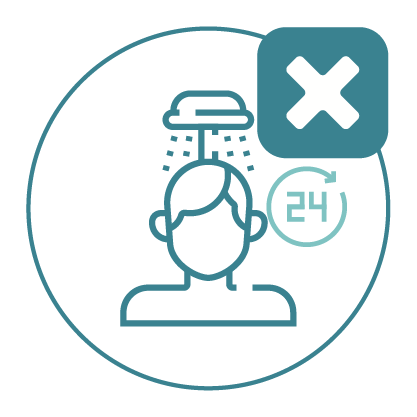
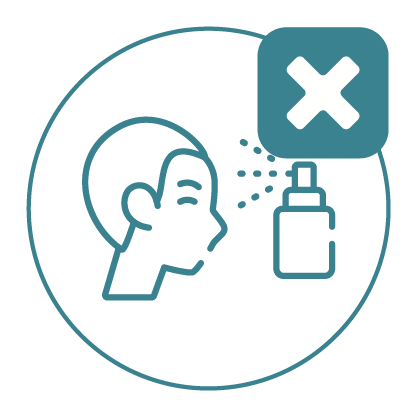
- First 3 Days: Avoid soaps, cleansers, or facial products directly on the treated area. Also, steer clear of intense sun exposure, hot water, and steam from saunas or showers to protect the newly implanted pigment.
- First Week: Refrain from swimming or activities causing heavy perspiration, as sweat and chlorine can cause pigment fading.
- Avoid Picking: Do not pick or scratch any scabs that form; allow them to fall off naturally to prevent pigment loss and unevenness.
- Cold Compress: Apply a cold compress within the first 24 hours to reduce swelling and promote healing.
- Medicated Ointment: Regularly apply any prescribed ointments to keep the area moisturized until scabs are gone and the skin has healed.
- Vitamin/Medication Restrictions: Temporarily discontinue certain vitamins (E, B12) or medications (aspirin) as advised by your practitioner, as these may affect blood clotting or pigment absorption.

Typically, the pigment stabilizes within one month, allowing initial assessment of the result. Touch-ups may be scheduled around the two-month mark to enhance color density and longevity.
Most common question about Facial Hair Transplant
Duration
Color generally lasts 2-3 years before fading, requiring touch-ups.
Discomfort
Feels like light pricks; local anesthetic minimizes sensation compared to traditional tattoos.
Removal
Laser removal is possible, but may necessitate multiple sessions depending on pigment depth and skin type.
DHI scalp micropigmentation aims to restore confidence for those concerned about hairline recession or thinning hair. It offers a safe, convenient, non-surgical solution with immediate results. For those seeking high-quality, expert service and natural-looking outcomes, DHI provides comprehensive care and attention to detail.
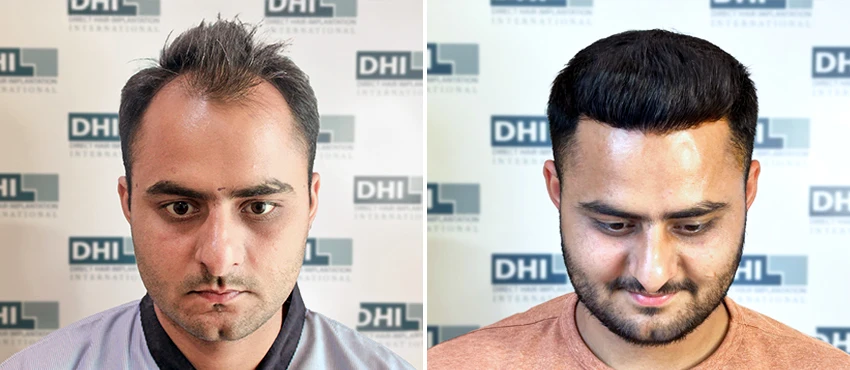
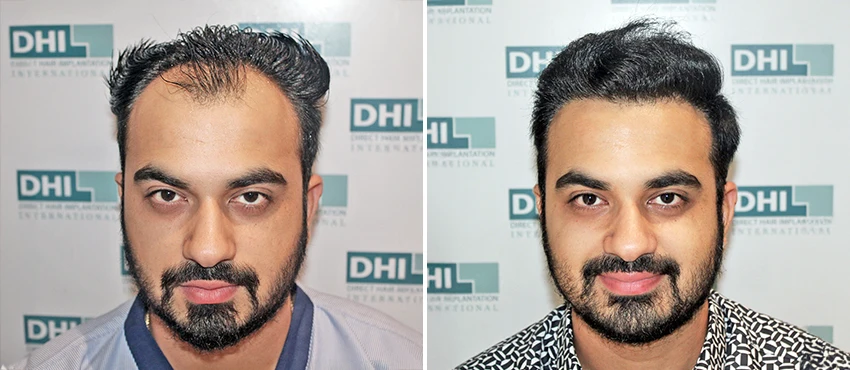
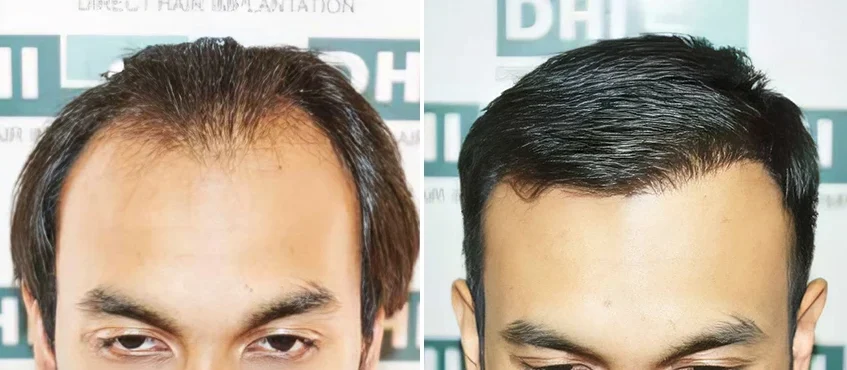
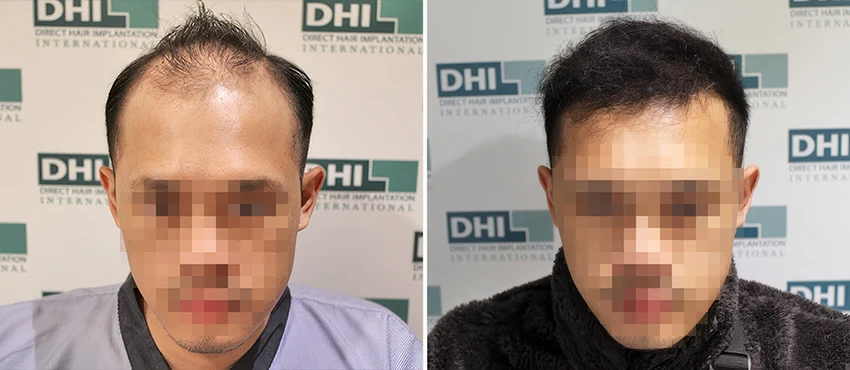
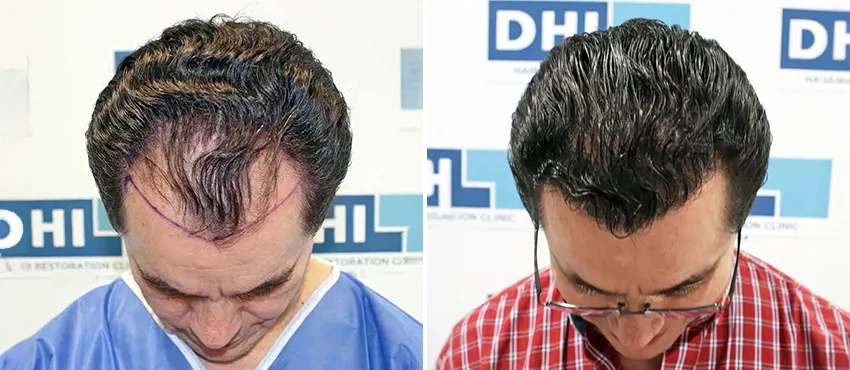
Patients Result


Others Sevice
Comprehensive hair care solutions tailored to meet all your needs.
Expert-driven solutions in hair restoration, transplantation, scalp micropigmentation, and comprehensive hair loss treatments for men and women.”
Hair transplant service with DHI technique for men, with real, safe, and no recovery time.
effective hair root stimulation, and solve thinning hair problems with hair root stimulation treatment.
Eyebrows protect the eyes and define expression and appearance.