In an age where self-care and appearance matter more than ever, having a healthy head of hair is just as important as skincare or fashion. Hair plays a significant role in one’s overall appearance, and issues like hair thinning, hair loss, or baldness can impact self-esteem. Fortunately, with the advancement of modern medical technology of Hair Restoration, permanent hair transplant procedures have become a widely trusted solution. Especially in 2025, with the latest techniques offering more natural and safety results, hair restoration is now more accessible than ever.
In this article, we’ll walk you through what permanent hair transplantation is, explore the methods that truly work, and introduce hair transplant services for both men and women you should know about.

What Is a Permanent Hair Transplant?
A permanent hair transplant is a medical procedure that involves relocating healthy hair follicles from a donor area—usually the back of the scalp where hair is denser—to areas affected by thinning or balding. These transplanted follicles grow new hair naturally and permanently. This hair transplant overview provides long-lasting, natural-looking results and helps restore confidence by filling in sparse areas seamlessly.
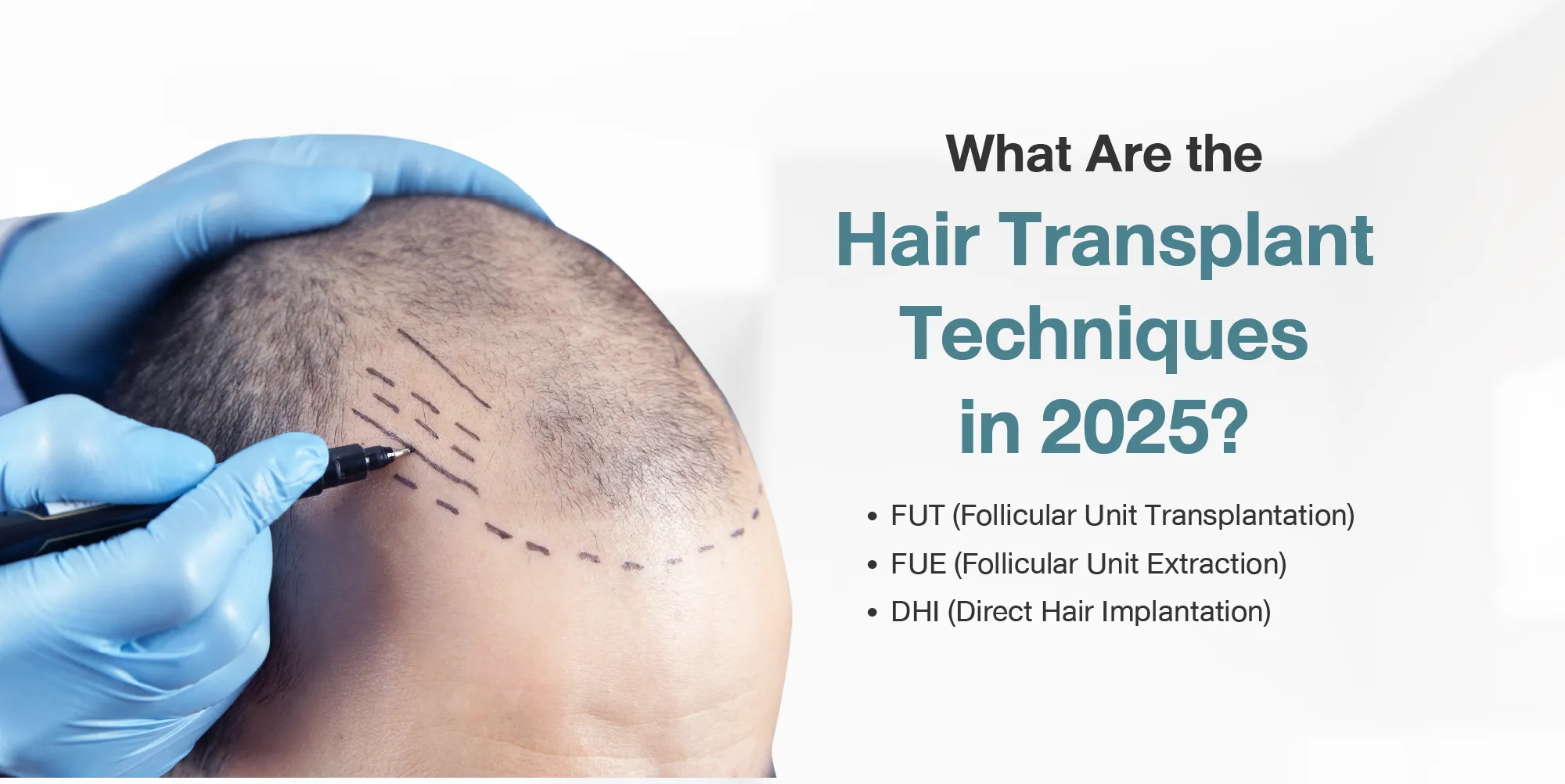
What Are the Top Hair Transplant Techniques in 2025?
1. FUT (Follicular Unit Transplantation)
Follicular Unit Transplantation (FUT), often referred to as the “strip method,” is one of the oldest and most established permanent hair transplant techniques. It remains a widely used procedure in clinics around the world. The process begins with the removal of a thin strip of scalp from the back of the head—an area typically rich in healthy, permanent hair follicles. This donor strip is then carefully dissected under a microscope into individual follicular units, each consisting of 1 to 4 hairs, along with sebaceous glands and small nerve endings.
Once separated, these follicular units are meticulously implanted one by one into tiny incisions created in the recipient area—typically areas experiencing hair thinning or baldness. The precision of this method allows for a natural-looking density, as it mimics the way hair naturally grows from the scalp.
One of the major advantages of FUT is its ability to harvest a large number of grafts in a single session, making it ideal for individuals who require extensive coverage. However, the technique does leave a linear scar at the donor site, typically along the back of the head. Depending on the number of grafts needed, the strip can range in width from 1–2 mm or more. For this reason, FUT is best suited for patients who maintain longer hair in the donor area to help conceal any scarring post-surgery.
After the procedure, patients are advised to avoid strenuous activities for about 7 to 10 days to allow for proper healing. Following the doctor’s post-operative care instructions is critical—including gentle hair washing and avoiding any pressure or friction on the sutured area—to maximize graft survival and achieve optimal, lasting results.
2. FUE (Follicular Unit Extraction)
Follicular Unit Extraction (FUE) has become the most popular method of permanent hair transplantation in recent years, largely due to its “scar-free” nature and quick recovery time. The core of the procedure involves using a small punch tool to extract individual follicular units—each containing 1 to 4 hairs—from the donor area at the back of the scalp, where hair is naturally resistant to the hormone DHT.
Once the grafts are harvested, they are examined under a microscope to ensure quality and integrity. The surgeon then creates tiny incisions in the recipient area—usually measuring around 0.6 to 1.0 mm in diameter—and carefully implants the grafts one by one. Throughout this process, the angle and direction of each hair are precisely controlled to ensure that the new growth blends seamlessly with the existing hair for a natural-looking result.
3. DHI (Direct Hair Implantation)
Direct Hair Implantation (DHI) is a non-surgical hair restoration technique that builds upon the FUE method. What sets DHI apart is the use of a specialized tool called the Implanter Pen, which allows hair follicles to be implanted directly into the scalp without the need for prior incisions or channel openings. This approach minimizes tissue trauma while offering precise control over the depth, angle, and direction of each implanted hair. The result is a denser, more natural-looking hairline that blends seamlessly with the surrounding hair.

What Makes a Hair Transplant Effective and Safe?
A truly effective and safe hair transplant should be performed by a qualified medical professional in a certified clinic that meets high safety and hygiene standards. The typical process includes the following steps:
- Scalp and Hair Assessment A thorough evaluation of your scalp and hair condition helps the doctor design a personalized treatment plan suited to your needs.
- Preparation of the Transplant Area The target area is carefully cleaned and prepped, and local anesthesia is administered to ensure comfort throughout the procedure.
- Harvesting Hair Follicles Depending on the chosen technique, the doctor will extract healthy hair follicles from areas with high density—usually the back or sides of the scalp.
- Implantation of Hair Follicles The harvested follicles are then meticulously implanted into the thinning or balding areas with precise attention to placement, angle, and density.
- Post-Transplant Care Detailed aftercare instructions are provided to support healing and optimize the long-term results of the procedure.

How Much Does a Hair Transplant Cost in 2025?
Hair transplant costs in 2025 vary depending on several factors, such as the technique used, the number of grafts required, and the clinic’s expertise. On average, prices range between THB 32,000 and THB 220,000. Choosing a reputable clinic like DHI Thailand, with experienced specialists and high safety standards, ensures long-term value and confidence in your investment.

Best Hair Transplant Options for Men
Men often experience hair loss or baldness due to genetics. For male patients, hair restoration typically focuses on reconstructing the hairline and restoring density in the crown area. The most popular hair transplant techniques include FUE and DHI, both of which provide natural-looking results without visible scarring.

Best Hair Transplant Options for Women
Women facing thinning hair or hair loss benefit from procedures designed to enhance volume and refine the hairline to suit their facial structure. The DHI method is especially popular among women because it does not require shaving the recipient area and leaves no scarring, offering discreet and effective results.
In 2025, permanent hair transplantation with DHI Procedure stands out as a proven, safe solution to hair loss. With evolving techniques and expert care, regaining your hair and confidence has never been easier. If you’re considering a hair restoration journey, DHI Thailand is a trusted name in the industry offering both cutting-edge methods and personalized care.
Ready to restore your hair and confidence? Contact DHI Thailand today to schedule your Hair Restoration Services consultation.